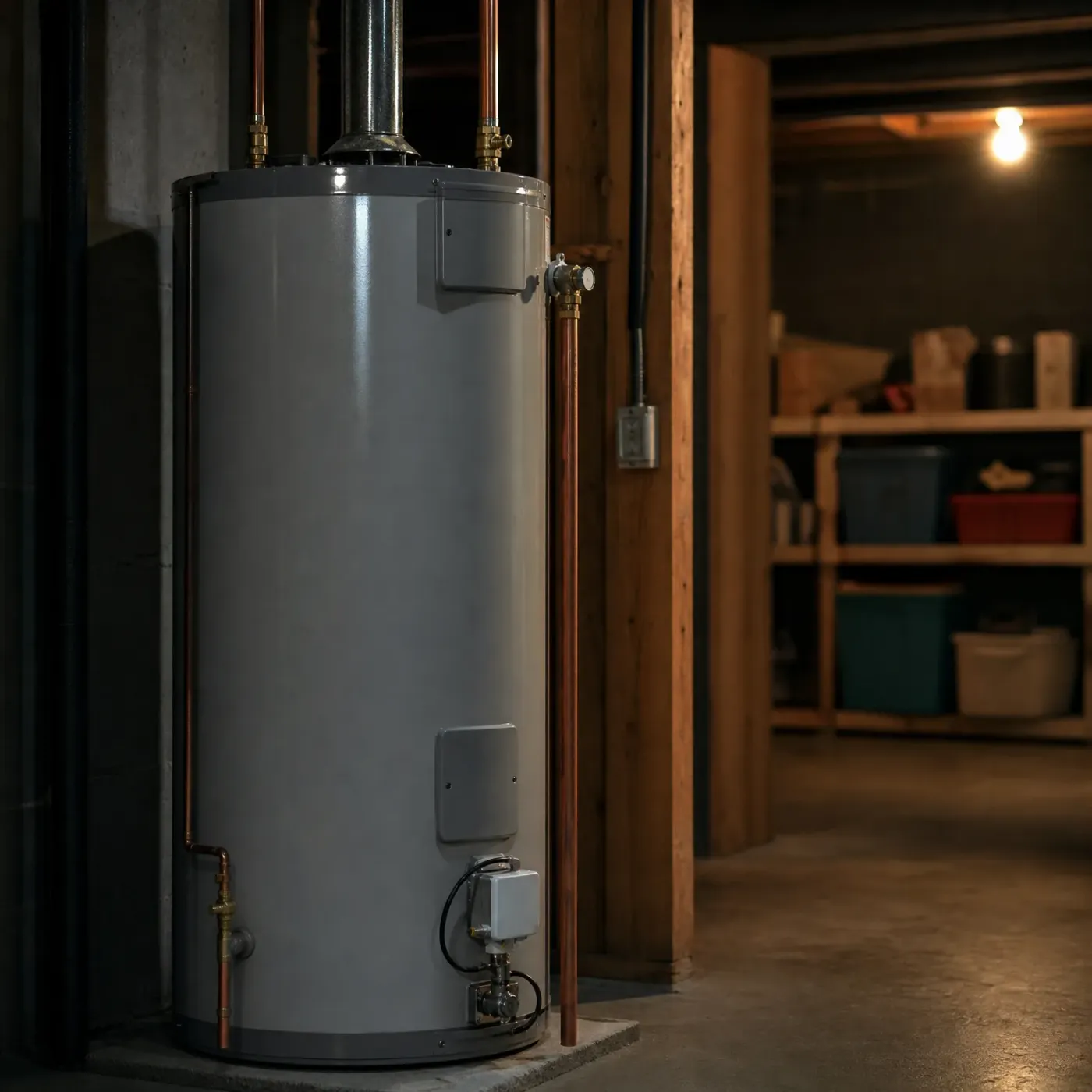
A pro who works on water heaters
How often to flush a water heater in New York
New York water comes with enough sediment that it settles to the bottom of your tank and sits there, and that's what the once-a-year flush is for. This page gets into how that shows up with gas water heaters, what skipping it actually costs you in the long run, and when it's worth having someone check the tank instead of guessing.
Match me with a proFlush your water heater once a year. That's the standard most manufacturers set, and it holds whether you're on city water or a well. Sediment, mostly minerals that come in dissolved in the water supply, settles to the bottom of the tank over time. With a gas water heater, that layer sits right over the burner, so the burner has to work through it to heat the water above. The tank runs hotter at the bottom than it needs to, and the sediment itself can harden into a crust that traps heat against the steel. That's what leads to the popping or rumbling sound some gas water heaters make after a few years. A yearly flush clears it out before it builds up enough to matter. Skip it for several years running and the buildup gets harder to clear, and the tank itself has worked harder than it should have the whole time.



Shut off the gas and set the control to pilot.
Connect a hose to the drain valve and run it outside.
Open the valve and let the tank drain completely.
Turn on a hot water tap inside to break the vacuum.
Flush Yearly or Put It Off
Flush once a year
- Sediment that builds up over the year stays loose enough to drain out through the valve in one pass.
- A gas water heater with a clean tank doesn't have to fire the burner against a layer of minerals to heat the water above it.
- The glass lining and the lower element area stay in better shape when sediment isn't sitting against them month after month.
- You catch a failing drain valve or a slow leak while you're already down there, instead of finding out when it fails on its own.
- With power costs in New York what they are, a water heater working harder than it needs to shows up on the bill.
Skip it and wait
- Sediment keeps settling and packs down harder the longer it sits, so a tank that hasn't been flushed in a few years may not drain clean in one try.
- A thick layer at the bottom can trap heat against the tank itself and make the burner run longer to get the same hot water.
- Rumbling or popping from the tank is often sediment shifting under the flame, a sign the layer has built past what a quick flush handles.
- The drain valve itself can clog with the same sediment it's supposed to pass, which makes the eventual flush harder than it would've been last year.
- Waiting doesn't undo the buildup. It just means more of it to clear out once you do get to it.
Get your water heater to the right pro
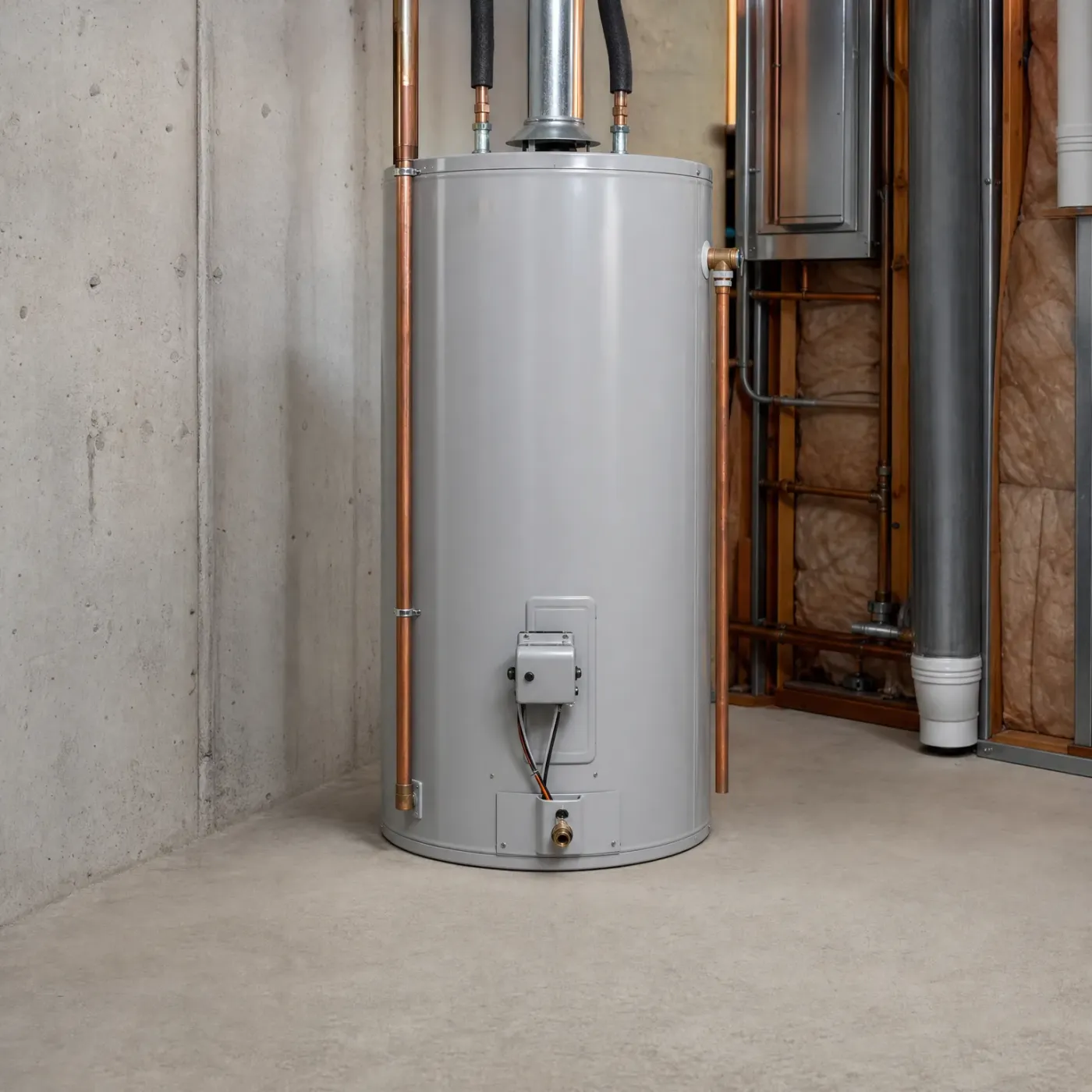
A gas water heater with a thick sediment layer works harder to heat the same amount of water, and with power rates in New York among the highest in the country, that difference shows up on the bill every month, not just once. Finding someone to handle the flush means the usual round of calls: looking up plumbers, explaining the same thing to each one, waiting on quotes, picking one. That's time you probably don't have to spend on a once-a-year job. Submit a request here and it goes to one contractor who handles water heaters in your area, not a list of five for you to sort through yourself. There's no cost to ask and no obligation to hire. Your water heater doesn't stop working if you put this off another month, but the sediment doesn't go anywhere either. It just sits there until someone drains it.
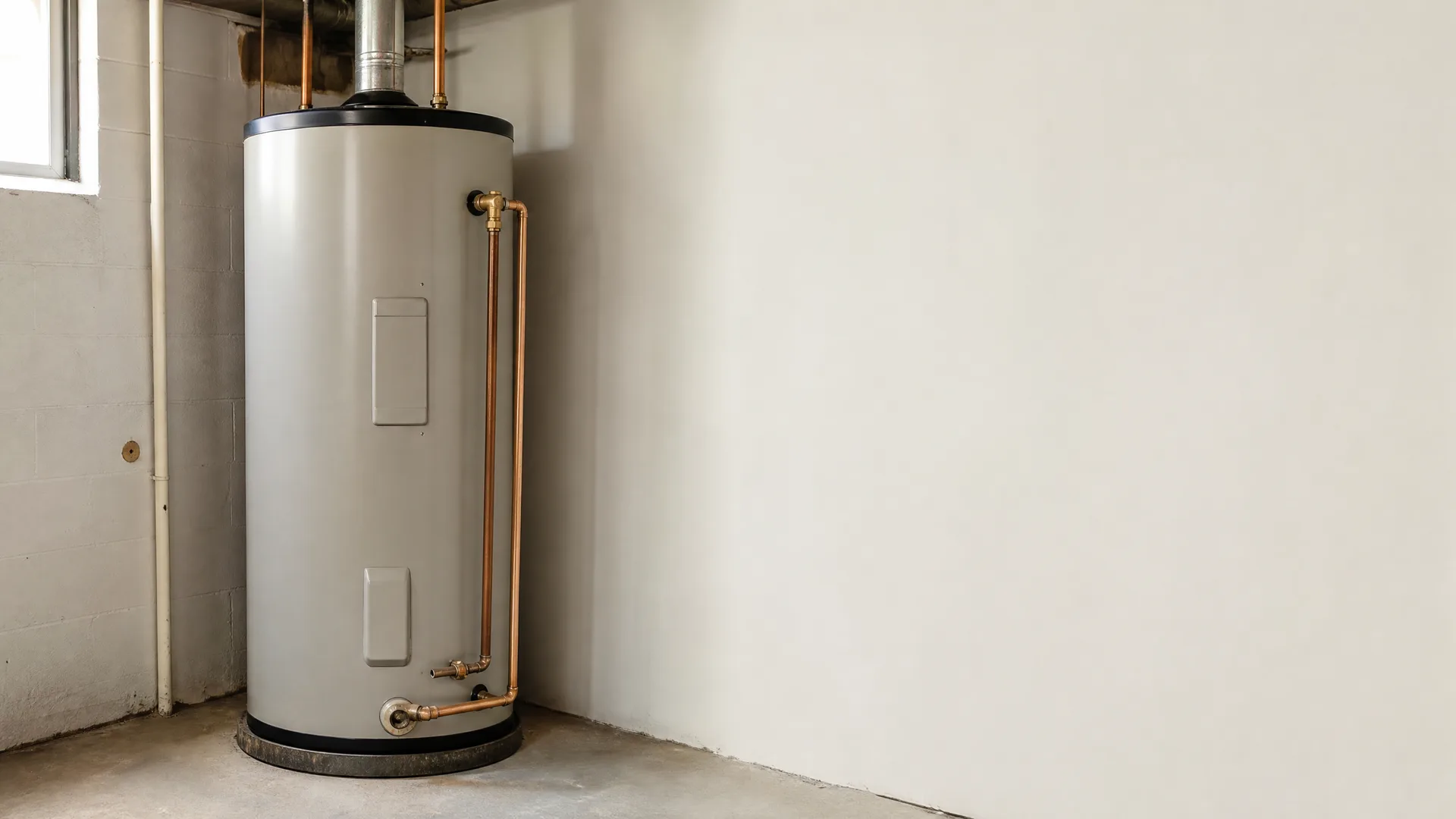
Where sediment collects first
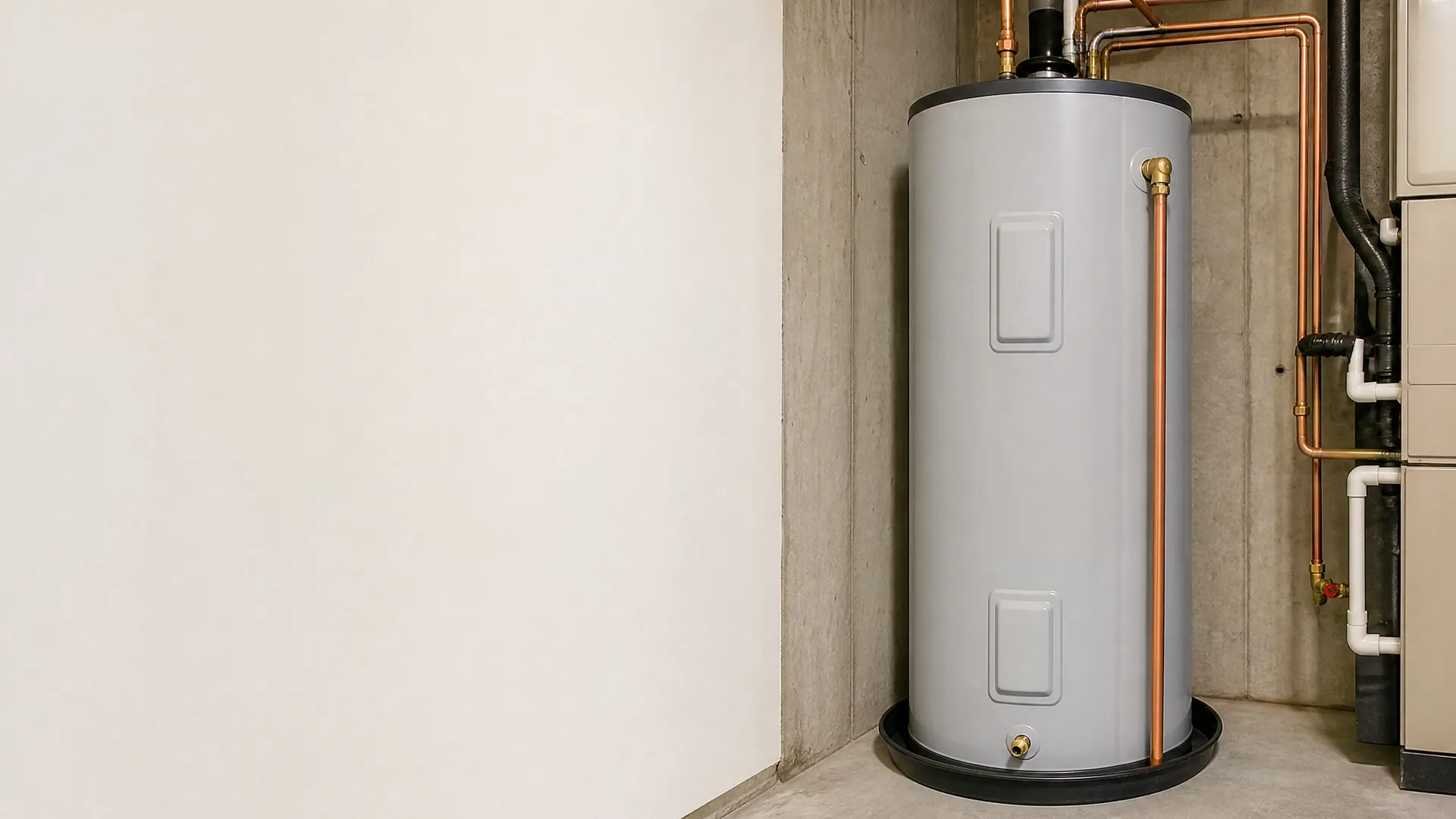
The burner sits under the tank, so the bottom is the hottest part of the water heater and also where sediment settles. That layer sits right between the flame and the water you want heated. A gas water heater with an inch of sediment on the bottom is heating through that layer before it heats the water, which is why the burner runs longer than it should to reach the same temperature.
What the drain valve tells you
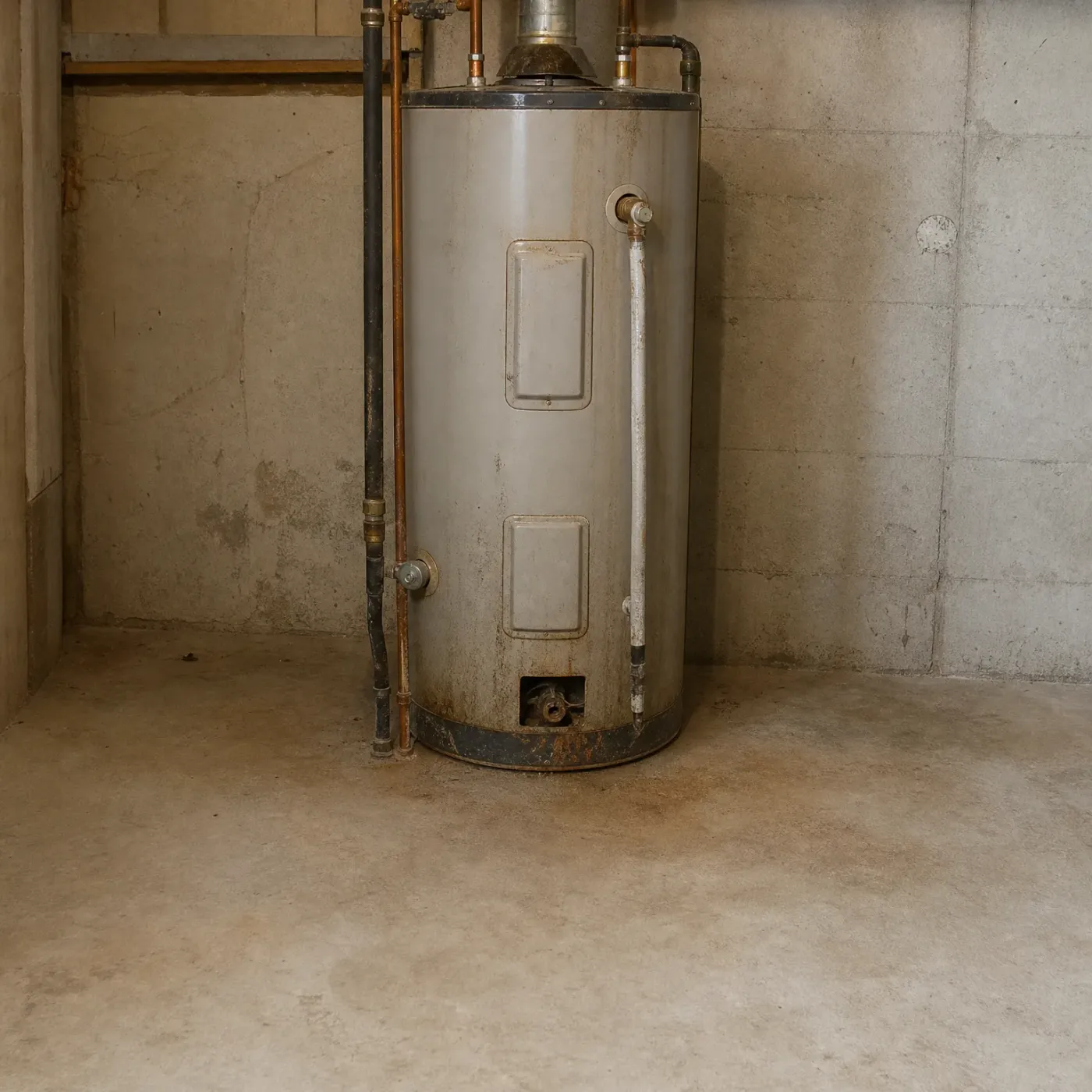
Open the drain valve on a tank that hasn't been flushed in a few years and you'll often get a trickle instead of a steady stream, or water that runs cloudy and gray long after it should have cleared. That's hardened sediment partly blocking the valve itself. A tank flushed every year drains clean and fast, because nothing's had time to cake on.
Is your water heater telling you it's overdue?
Turn on a hot tap and listen first. A tank that's gone too long without a flush will pop, crackle or rumble as the burner heats water trapped under a layer of sediment. You might notice hot water running out faster than it used to, or taking longer to get hot at all. Some homes see rusty or cloudy water at the tap. If the gas water heater sits in a basement, check around the base for any dampness, since a sediment layer can stress the tank itself over time. None of these show up overnight. They build over a year of a gas water heater working harder than it should, and left alone, that strain shortens how long the tank lasts.




59.1% of homes statewide heat with gas
With most New York homes running gas water heaters, that burner sits right under the tank, heating through whatever has settled on the bottom. A yearly flush keeps that layer from building up against a surface that's already working to heat your water.
ACS 2020-2024 5-year B25040

Once a year, and you're done thinking about it
Once a year, flush the tank, and the sediment that would have built up against the burner stays out of the way. That's the whole answer. Everything else on this page is detail about why that number holds and what it looks like when a tank falls behind on it.
What usually trips people up isn't the flush itself, it's getting from "I should do this" to someone showing up to do it. Finding a contractor who works on water heaters, checking they're free this week, explaining what you need twice over the phone, and sorting through quotes that don't say the same thing eats up more time than the job. The alternative is simpler: you answer a few questions about your water heater, and a contractor who covers your part of New York gets in touch. You pick next year's flush date, not next year's research project.

The right pro for this job
Describe your water heater job once, to one pro.