
Relight it yourself
If the pilot blew out and the tank is otherwise sound, relighting it at the tank can bring hot water back the same day, no repair needed.
No hot water hits different in January than it does in July, but either way you're not waiting around for it to sort itself out. Water heaters in Kings County see hard use all year, hot water for showers through the cold months and just as much demand once summer sets in, and when one quits it's usually something a local contractor has seen plenty of times before. Could be the pilot, could be the heating element, could be something in the tank itself. Getting matched with someone who works on these units around Brooklyn means you're talking to one contractor, not fielding calls from five companies at once, and that contractor is licensed to do the job right where you live. Tell us what's going on with your water heater and you'll hear from someone who actually handles this equipment, not a call center reading a script. That's the difference between guessing and getting it fixed.
No hot water usually means one of a few things: a gas water heater whose pilot light or igniter failed, a thermocouple that wore out and is shutting off the gas as a safety measure, or an electric water heater tripping its breaker or burning out a heating element. In Kings County most homes run on gas, so a pilot or igniter problem is the common case. Cold winters push tanks harder, since incoming water runs colder and the unit works longer to keep up, which is when a weak part finally gives out. Sometimes the tank itself is still fine and the fix is small. Sometimes a tank that's been struggling for a while is reaching the end of it, and lukewarm water or a slow refill were the warning signs beforehand. Either way, the tank won't fix itself, and the longer it sits, the more likely a small failure turns into a bigger one, like a leak at a corroded fitting.
2.56 people per household on average
A Kings County household averages 2.56 people, and a water heater built for fewer showers a day falls behind when every one of them wants hot water back on.
Half the homes here were built by 1944
Half the homes in Kings County date to 1944 or earlier, which means half the water heaters in them are tied to gas lines and venting laid out that long ago.
72.2% of homes heat with gas
72.2% of homes here heat water with gas, so when the pilot won't stay lit or the thermocouple fails, it's gas supply and ignition that are usually the problem, not a breaker.
ACS 2020-2024
A water heater rarely just quits for no reason, there's usually a specific part behind it. On a gas tank with a standing pilot, the flame can get blown out by a draft in the flue or just burn out over time, and the tank has no way to know it's gone out until someone relights it. Newer gas units use an igniter instead of a standing pilot, and when that igniter fails, the control board never gets the signal it needs to open the gas valve, so no gas ever reaches the burner. There's also the thermocouple, a small sensor sitting in the pilot flame whose job is to confirm it's lit. When a thermocouple wears out, it can read a lit pilot as unlit and shut the gas off as a safety measure, even though the real problem is the sensor and not a gas leak.
Electric tanks fail differently. Most have two heating elements, one near the top and one near the bottom, and they don't fail together. If the upper element goes first, the water on top may still warm for a short time before the whole tank turns cold. A high-limit switch built into the thermostat will also cut power to both elements if the water gets too hot, and that switch has to be reset by hand, so flipping the breaker back on won't fix it. Sediment that's settled at the bottom of either type of tank adds another layer between the burner or element and the water, so the tank takes longer to heat and works harder doing it.
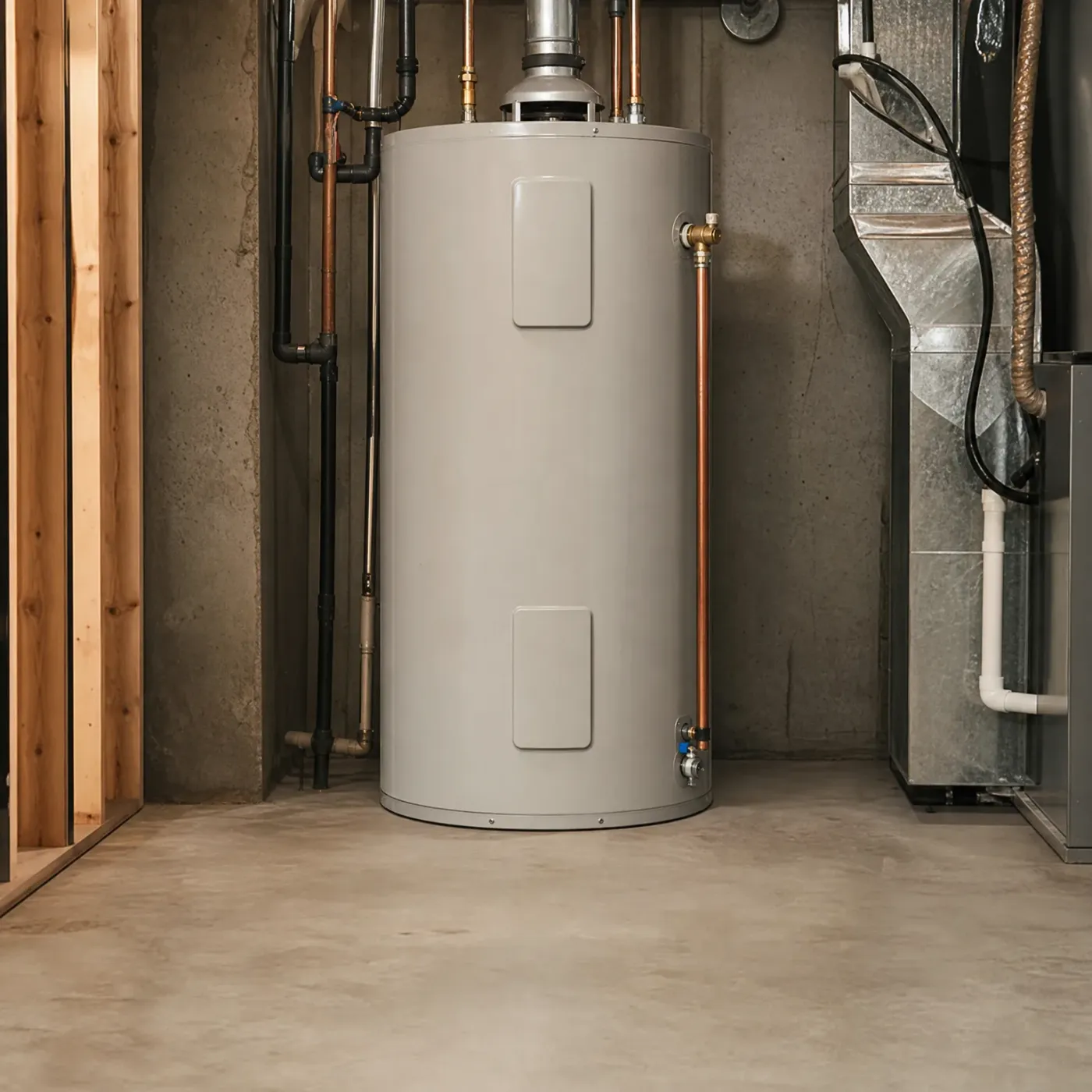
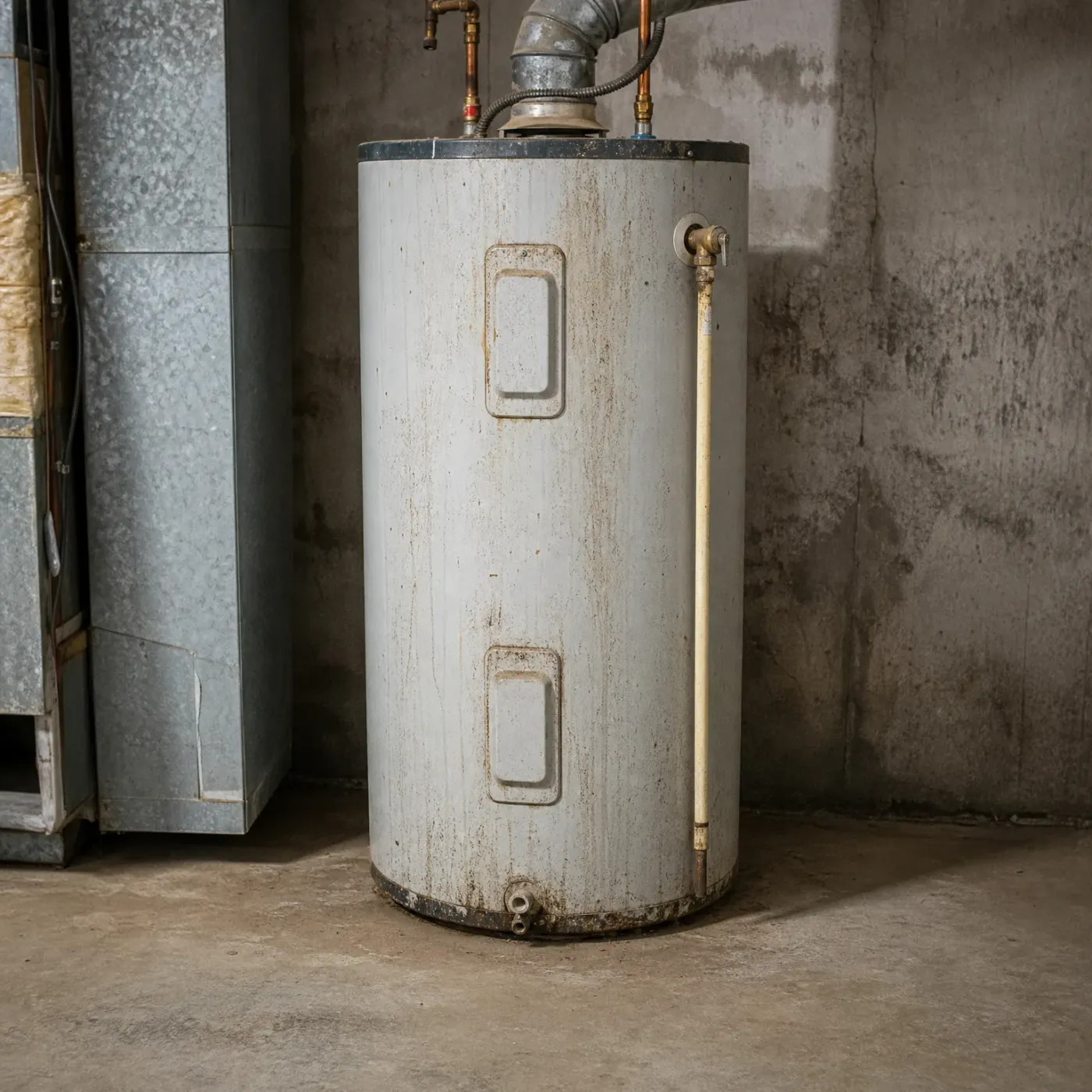




A cold shower tells you something is wrong, but not what. A failed igniter and a dead heating element both leave you standing there with no hot water, and the fix for one does nothing for the other. Pull the wrong part or flip the wrong breaker and you've lost time without getting any closer. A contractor who works on water heaters around Kings County all year has likely already seen your specific unit, gas or electric, tank or tankless, and knows what tends to fail in homes like yours after a few cold winters and humid summers of hard use. That's worth more than guessing from a forum post or waiting to see if it sorts itself out. One contractor gets your request, so the person who calls you back is the one who'll actually come look at the tank, not a dispatcher sorting leads. Send the request and let someone who knows this equipment take it from here.
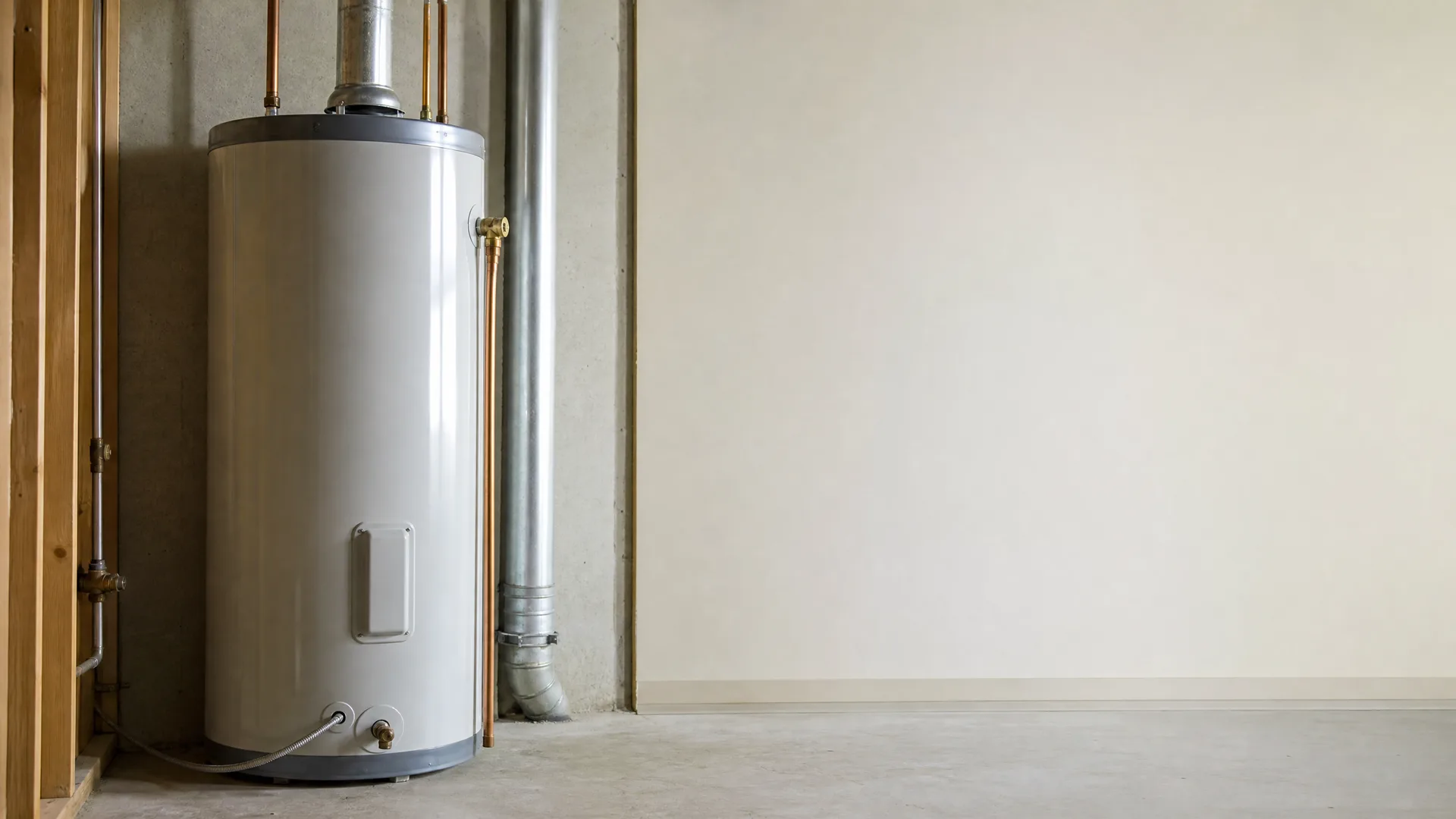
A gas water heater recovers faster than an electric one of the same size, because the burner underneath heats the whole tank at once while an electric element heats water around it in the tank. That's why a gas unit can often keep up with back to back showers that would empty an electric tank. If yours is electric and the household runs through hot water fast, the tank size and the element both matter to how soon it runs out.
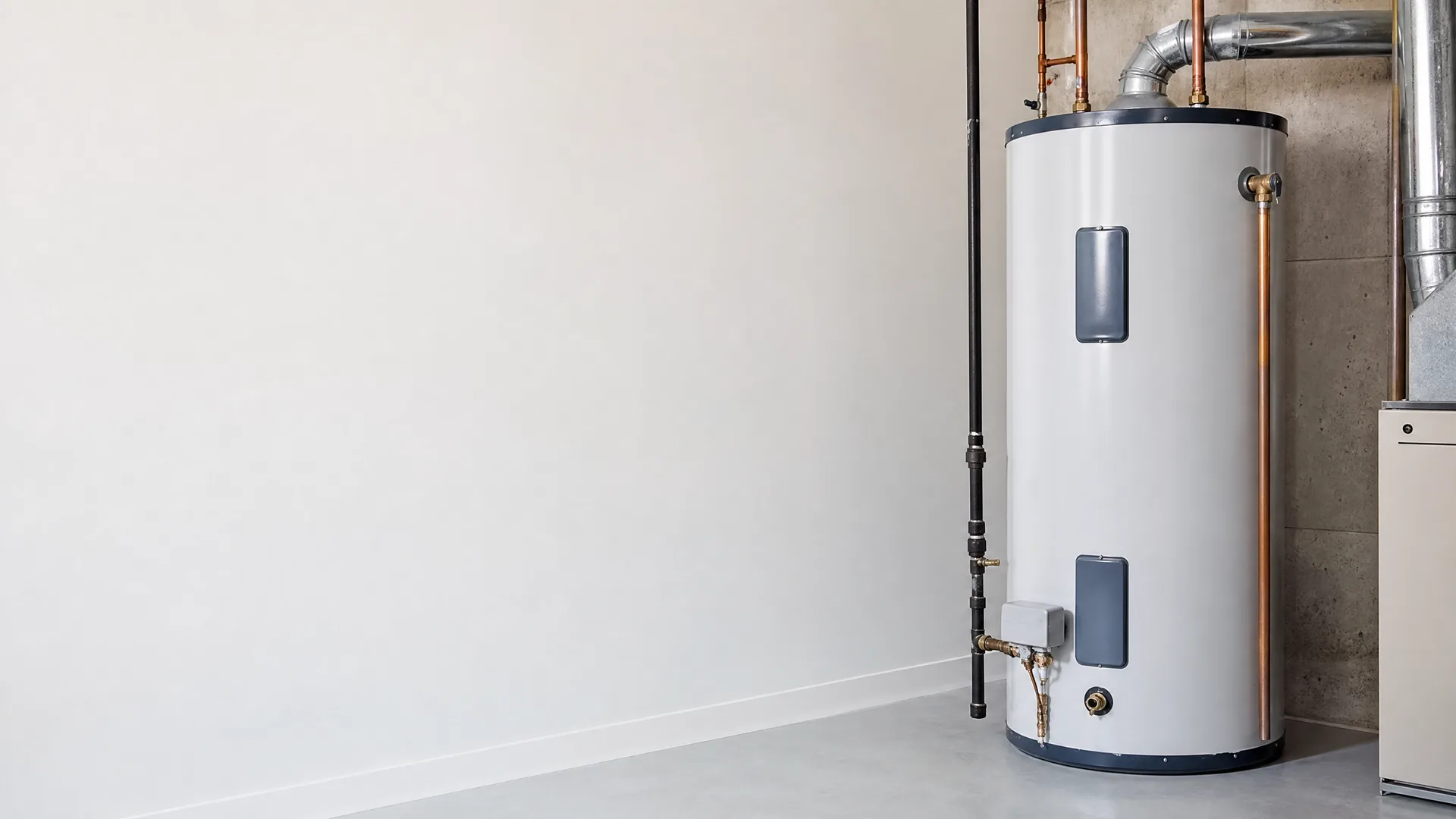
Every water heater has a pressure relief valve on the side or top of the tank, and it's there to open if pressure inside builds past what the tank can hold. It isn't connected to why the water went cold. If you see water pooling near the valve or the discharge pipe, that's a separate problem from no heat, and it's one a contractor should look at before the tank sees more hard use.
You check the water heater and the pilot's out, or you hear the burner try to catch and fail. Maybe you've already flipped the breaker twice and the water's still cold. A rotten egg smell near the tank isn't normal, and neither is a popping or rumbling sound coming from inside it. If the tank itself is wet at the bottom or around the fittings, that's not condensation, that's a leak, and it won't fix itself. Left alone, a leaking tank can fail outright and soak whatever's stored near it or on the floor below. A tripped breaker that won't reset, or a burner that won't relight after a few tries, usually means a part has failed rather than just a one-time glitch.


If the pilot blew out and the tank is otherwise sound, relighting it at the tank can bring hot water back the same day, no repair needed.
If it won't stay lit, won't relight, or the breaker keeps tripping, a local contractor who works on these units can find out why before you lose another day.
An electric water heater running at that rate adds up fast if a heating element is on its way out and cycling longer to get the tank hot. A gas unit with a pilot or igniter problem won't touch your electric bill at all, since it's the burner doing the work, not the grid.
EIA-861 2025
A thermostat calls for heat when tank temperature drops
Gas valve opens or heating element energizes to start heating
Pilot or igniter lights the burner, or current heats the element
Thermocouple senses the flame and holds the gas valve open

A pilot that won't stay lit, a thermocouple holding the gas valve shut, a heating element burned through, a tripped breaker that won't reset. One of these is what's keeping your water cold, and each one has a fix that doesn't touch the rest of the tank. You don't need to guess which it is before someone looks at it.
What you need next is someone who already knows what tends to fail on these tanks and has the part for it, not a string of companies competing for the callback. You'll be matched with one licensed contractor working in Kings County, and that's who reaches out to you, not three or four of them. Someone who works on these units through the cold months and the muggy ones both knows the difference between a pilot that needs relighting and a tank that's done.

Matched to your water heater job