Tell us about the job
Takes about a minute. No obligation.
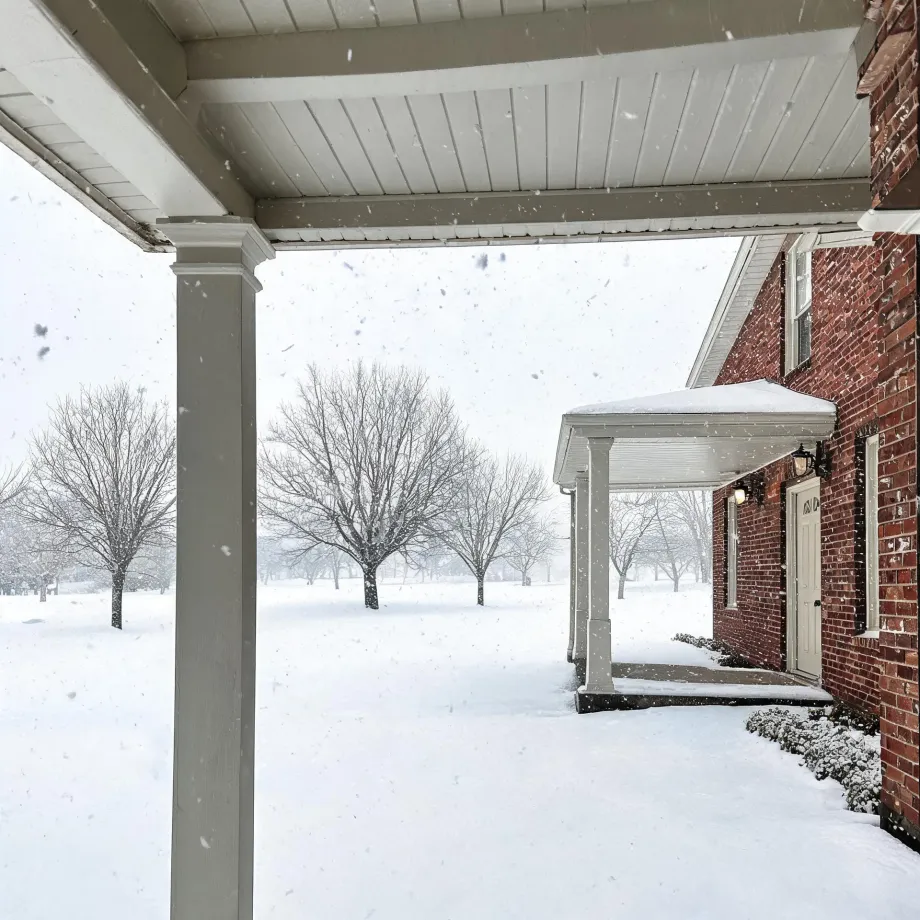
Gas-fired water heater installation in this county starts with the venting and combustion air setup, not the tank itself. Utility gas heats more occupied homes in Tompkins County, New York than any other fuel, at 46.3% (2020-2024 ACS 5-year). That share means the infrastructure for gas appliances is well established here, but it also means contractors encounter a wide range of installation ages, flue configurations, and draft conditions. A direct-vent unit and an atmospherically vented one require different rough-in work, and an installer has to confirm what the existing setup will support before the new heater arrives on site.
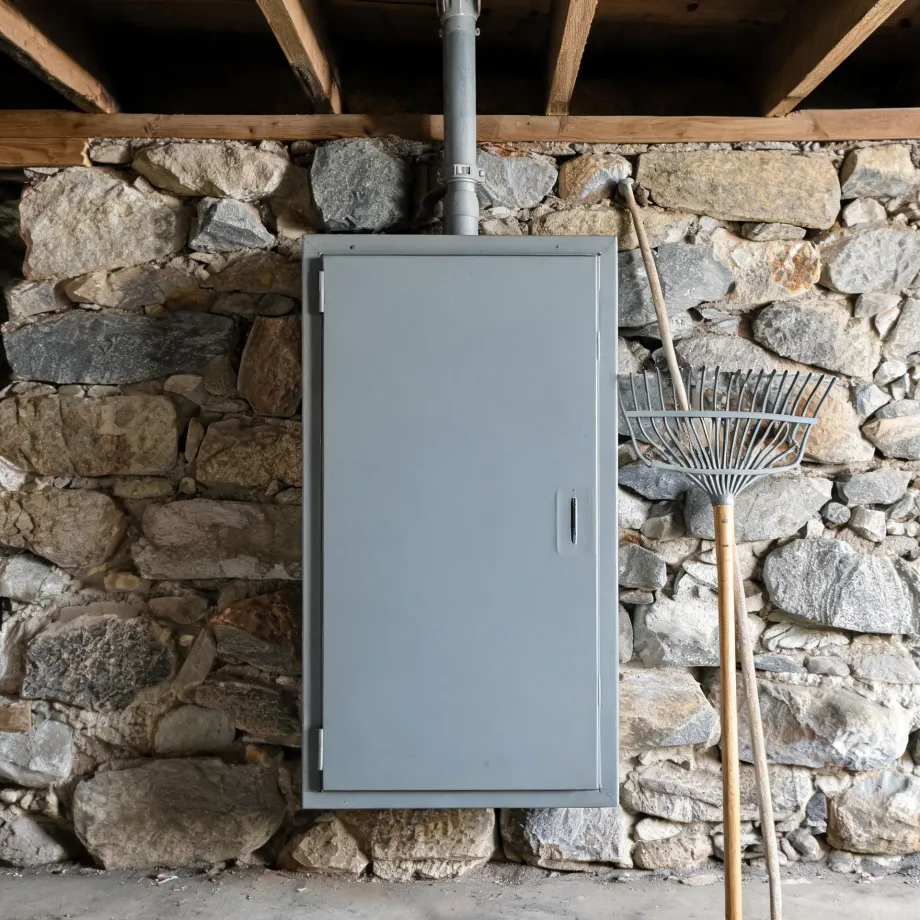
Electrical service panels in much of this county were sized for loads that bore no relation to what a modern water heater draws. Half the homes in Tompkins County, New York were built in 1974 or earlier (2020-2024 ACS 5-year). A contractor quoting a new unit here has to open the panel and read what is actually there before the equipment choice means anything, because a panel that was adequate for its original installation may not carry a heat pump water heater without an upgrade. That is a separate line item, and it shows up in the quote or it shows up as a surprise.
What a Water Heater Installation Puts in Your Home
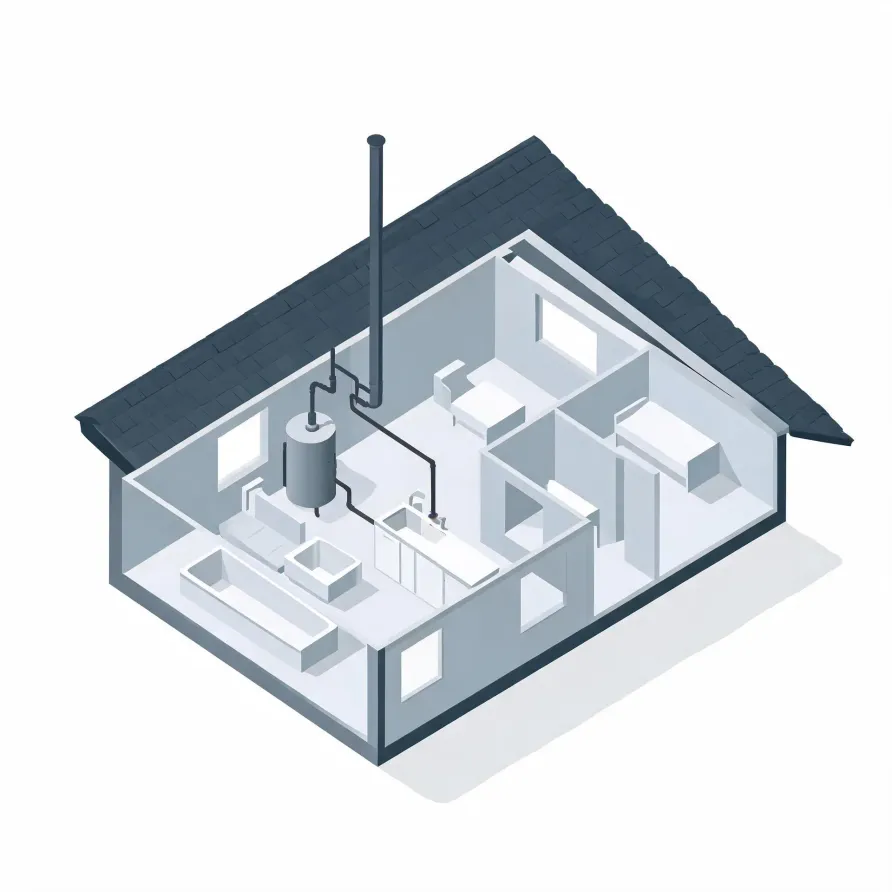
The tank or tankless unit is the heart of the system. A storage-tank model sits on the floor or on a platform, usually in a basement, utility closet, or garage, and holds a reservoir of heated water ready to draw from. A tankless unit mounts on a wall and heats water only as it moves through.
A cold-water supply line feeds into the unit from the house plumbing, and a hot-water line carries heated water out to every fixture. A pressure-relief valve attaches to the tank itself as a safety device. Gas models also connect to a flue or vent pipe that runs to an exterior wall or roof.
The drawing shows a typical layout, and a licensed contractor determines exactly what the installation requires in your specific home.
Get matched in Tompkins CountyTompkins County, by the numbers
113 severe weather events were recorded in Tompkins County, New York between 2015 and 2024.
NOAA National Centers for Environmental Information, Storm Events Database, bulk CSV export, events 2015-01-01 through 2024-12-31.Half the homes in Tompkins County, New York were built in 1974 or earlier (2020-2024 ACS 5-year).
U.S. Census Bureau, 2020-2024 American Community Survey 5-Year EstimatesTompkins County, New York holds 47,804 housing units (2020-2024 ACS 5-year).
U.S. Census Bureau, 2020-2024 American Community Survey 5-Year EstimatesOwners occupy 54.1% of the occupied homes in Tompkins County, New York (2020-2024 ACS 5-year).
U.S. Census Bureau, 2020-2024 American Community Survey 5-Year EstimatesSevere Weather Events in Tompkins County
Water heaters work harder when outdoor conditions swing hard, and the local weather record shapes how much strain a system carries over its life. Knowing what this area sees is part of sizing and installing equipment that holds up to it.
113 severe weather events, 2015–2024. Source: NOAA National Centers for Environmental Information, Storm Events Database.