Tell us about the job
Takes about a minute. No obligation.
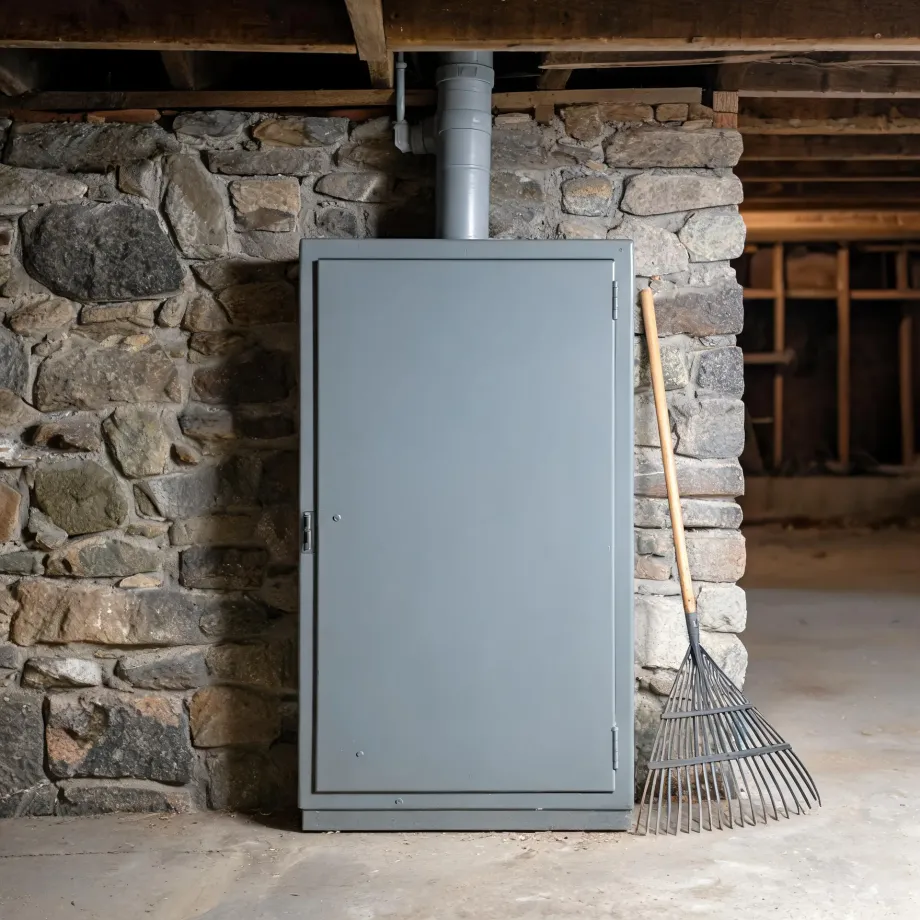
Oil and kerosene water heaters impose specific requirements on venting, combustion air, and fuel-line connections that an electric or gas unit does not share, so the fuel a home burns shapes what a replacement job actually involves. Fuel oil or kerosene heats more occupied homes in Essex County, New York than any other fuel, at 45.1% (2020-2024 ACS 5-year). A contractor quoting a water heater swap here has to confirm that the flue is rated for oil-fired exhaust, that combustion air reaches the appliance in the volume the burner demands, and that the replacement unit is approved for that fuel before any equipment gets ordered. Skipping those checks and fitting the wrong unit leaves the homeowner with a heater that vents improperly or a warranty that does not cover the install.
Electrical service is where a water heater installation in Essex County tends to get complicated. Half the homes in Essex County, New York were built in 1969 or earlier (2020-2024 ACS 5-year). A house wired for what was standard equipment at the time it was built often runs a service panel sized well below what a heat pump water heater or a high-output electric unit requires today. A contractor pricing the job looks at that panel before settling on which equipment fits, because the wiring can move the project from a straightforward swap to a service upgrade.
What a Water Heater Installation Puts in Your Home
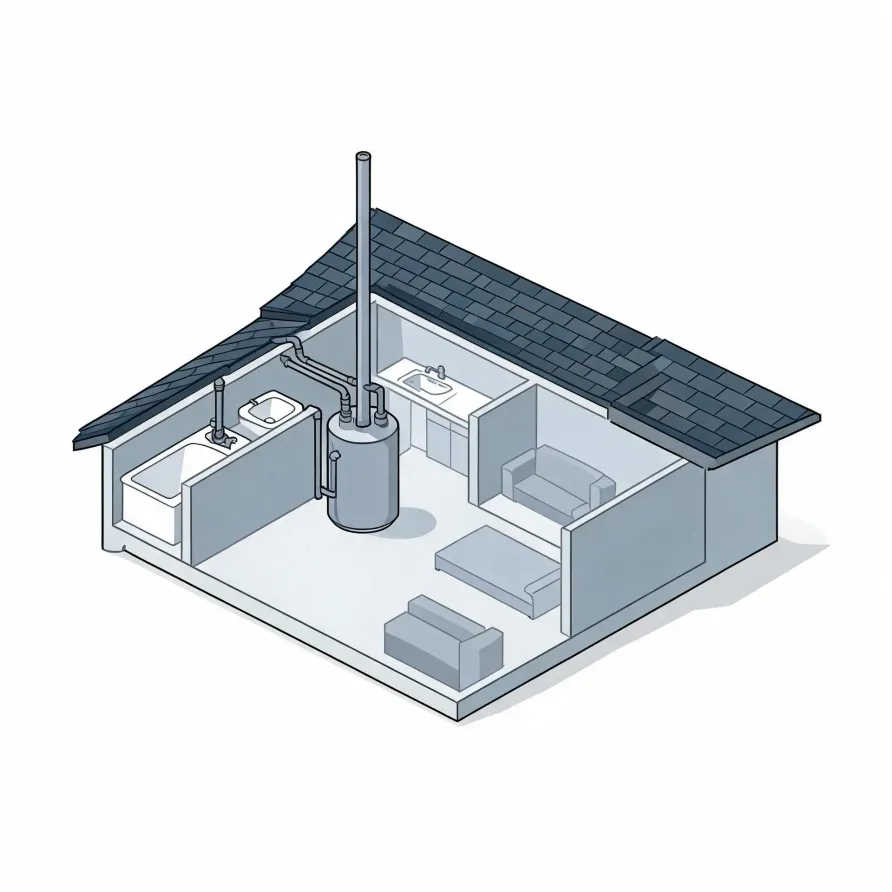
The tank is the piece most homeowners see first. It sits in a utility room, basement, or closet and holds a ready supply of hot water for the whole house. A gas model has a burner assembly at the bottom; an electric model has heating elements inside the tank wall.
A pressure relief valve mounts on the side of the tank and opens if pressure inside climbs too high. The cold supply line and hot outlet line connect at the top, feeding water in from the main supply and sending heated water out to every fixture in the house. A drain valve sits near the base of the tank.
The drawing shows a typical layout, and a licensed contractor determines what the installation requires in your specific home.
Get matched in Essex CountyEssex County, by the numbers
182 severe weather events were recorded in Essex County, New York between 2015 and 2024.
NOAA National Centers for Environmental Information, Storm Events Database, bulk CSV export, events 2015-01-01 through 2024-12-31.Half the homes in Essex County, New York were built in 1969 or earlier (2020-2024 ACS 5-year).
U.S. Census Bureau, 2020-2024 American Community Survey 5-Year EstimatesEssex County, New York holds 25,484 housing units (2020-2024 ACS 5-year).
U.S. Census Bureau, 2020-2024 American Community Survey 5-Year EstimatesOwners occupy 77.3% of the occupied homes in Essex County, New York (2020-2024 ACS 5-year).
U.S. Census Bureau, 2020-2024 American Community Survey 5-Year EstimatesSevere Weather Events in Essex County
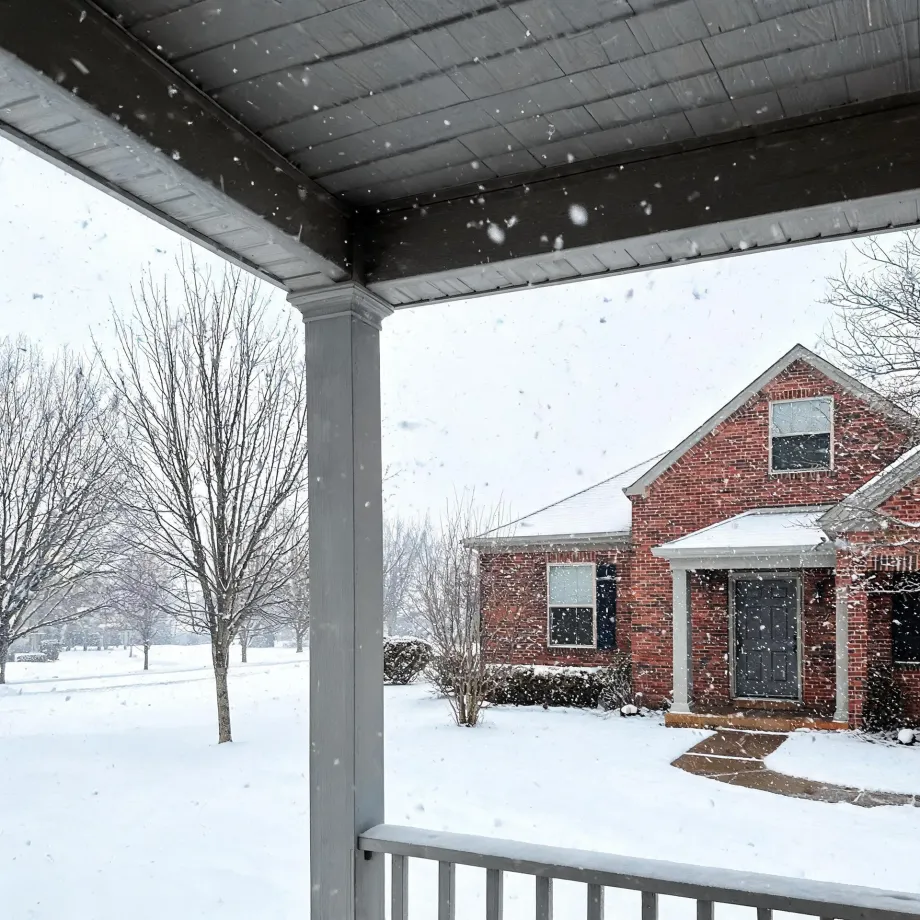
Water heaters work harder when outdoor conditions swing hard and fast. What Essex County's weather puts on equipment shapes how a water heater is sized, installed, and set up to last.
182 severe weather events, 2015–2024. Source: NOAA National Centers for Environmental Information, Storm Events Database.