Tell us about the job
Takes about a minute. No obligation.
A water heater running on fuel oil or kerosene puts consistent demand on the burner, the heat exchanger, and the ignition system year-round. Fuel oil or kerosene heats more occupied homes in Chenango County, New York than any other fuel, at 32.8% (2020-2024 ACS 5-year). That fuel load leaves deposits, and it narrows flue passages in ways that change how a burner fires and how efficiently the unit vents. A contractor diagnosing a repair here checks the combustion side first, because fouling and scaling on those components decide whether the fix is a part swap or a full replacement.
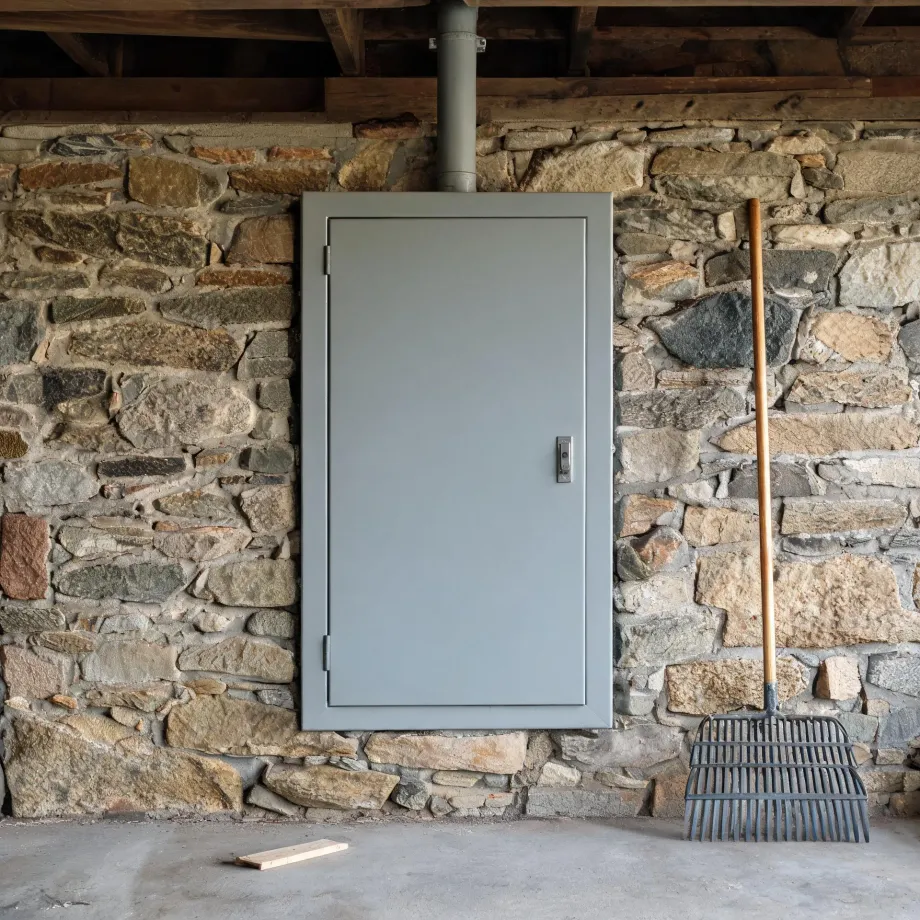
Plumbing and vent configurations in this county's housing stock vary enough that a contractor opening a water heater has to determine what is actually there before pricing the repair. Half the homes in Chenango County, New York were built in 1967 or earlier (2020-2024 ACS 5-year). That spread of building eras means a house can carry galvanized supply lines alongside a flue that was retrofitted for a different appliance entirely, and both affect what the repair requires. A bad anode rod is a bad anode rod, but whether the venting surrounding it is safe and code-compliant is a separate finding that the unit's condition alone does not answer.
The Parts of a Water Heater a Contractor Checks First
The tank is the piece most homeowners know on sight. It sits in a utility room, basement, or closet and holds water at a set temperature. When hot water runs out faster than it should, or arrives discolored, the tank itself is where a contractor starts looking, along with the anode rod inside it that keeps corrosion in check.
The heating element or burner assembly sits at the base or midpoint of the tank and is what actually raises the water temperature. The thermostat controls that assembly, and the pressure relief valve sits on the side of the tank as a safety device. A faulty thermostat produces water that is too hot or too cold; a weeping relief valve signals pressure or temperature problems the contractor will trace back to their source.
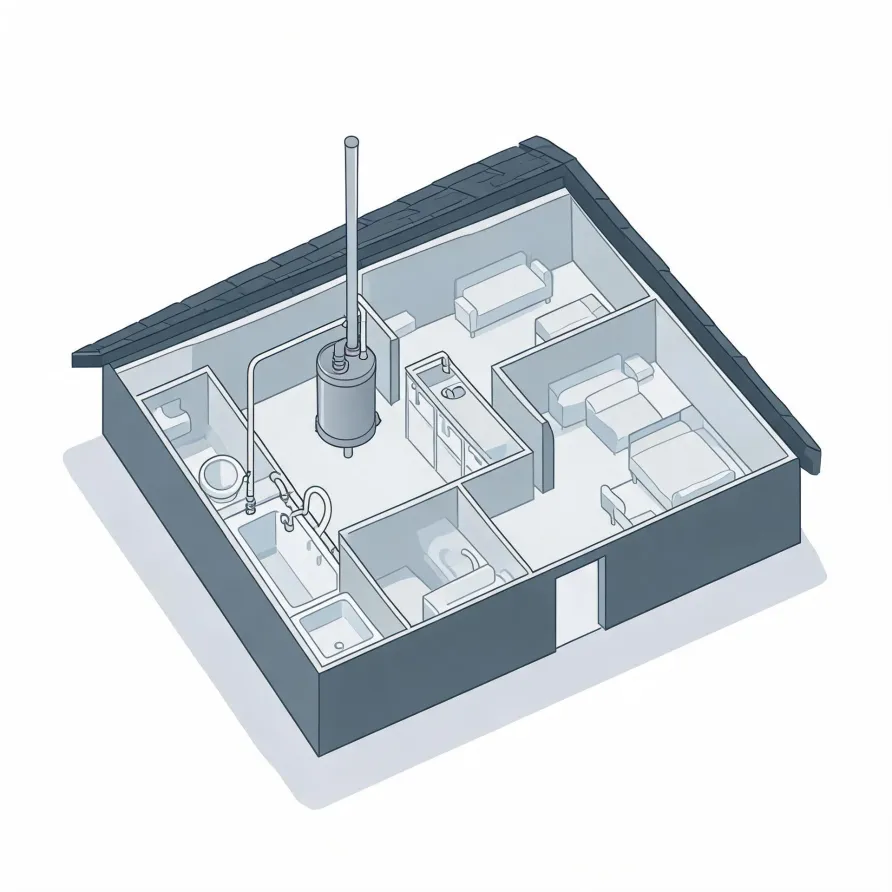
The drawing shows the general layout of a water heater system, and a licensed contractor determines which parts apply and what condition they are in for your specific home.
Get matched in Chenango CountyChenango County, by the numbers
117 severe weather events were recorded in Chenango County, New York between 2015 and 2024.
NOAA National Centers for Environmental Information, Storm Events Database, bulk CSV export, events 2015-01-01 through 2024-12-31.Half the homes in Chenango County, New York were built in 1967 or earlier (2020-2024 ACS 5-year).
U.S. Census Bureau, 2020-2024 American Community Survey 5-Year EstimatesChenango County, New York holds 24,586 housing units (2020-2024 ACS 5-year).
U.S. Census Bureau, 2020-2024 American Community Survey 5-Year EstimatesOwners occupy 75.4% of the occupied homes in Chenango County, New York (2020-2024 ACS 5-year).
U.S. Census Bureau, 2020-2024 American Community Survey 5-Year EstimatesSevere Weather Events in Chenango County
Extreme weather puts real load on water heating equipment, stressing components that then show up for repair. How often that pressure hits depends on where you live, and Chenango County has its own pattern.
117 severe weather events, 2015–2024. Source: NOAA National Centers for Environmental Information, Storm Events Database.