
Running right at 120
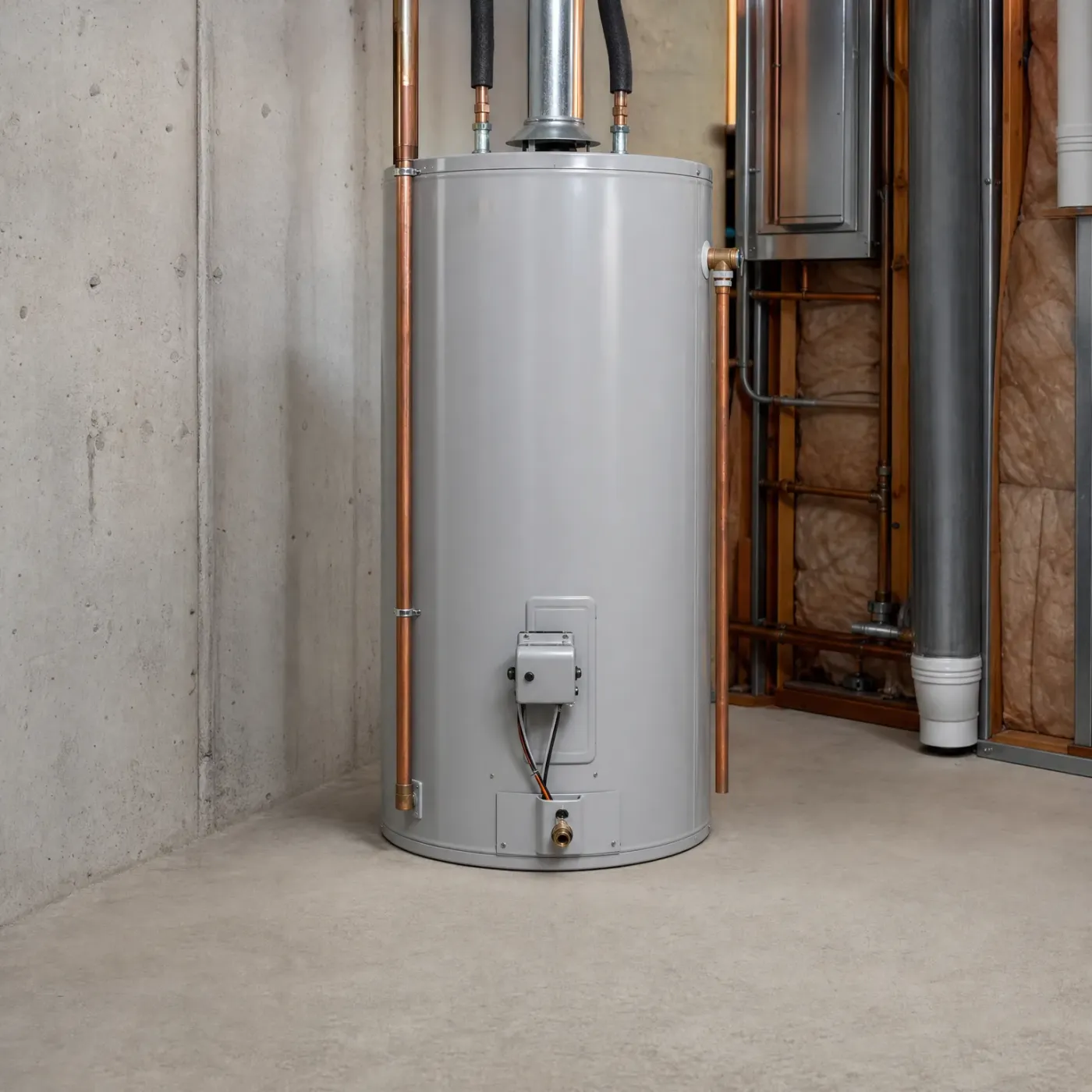
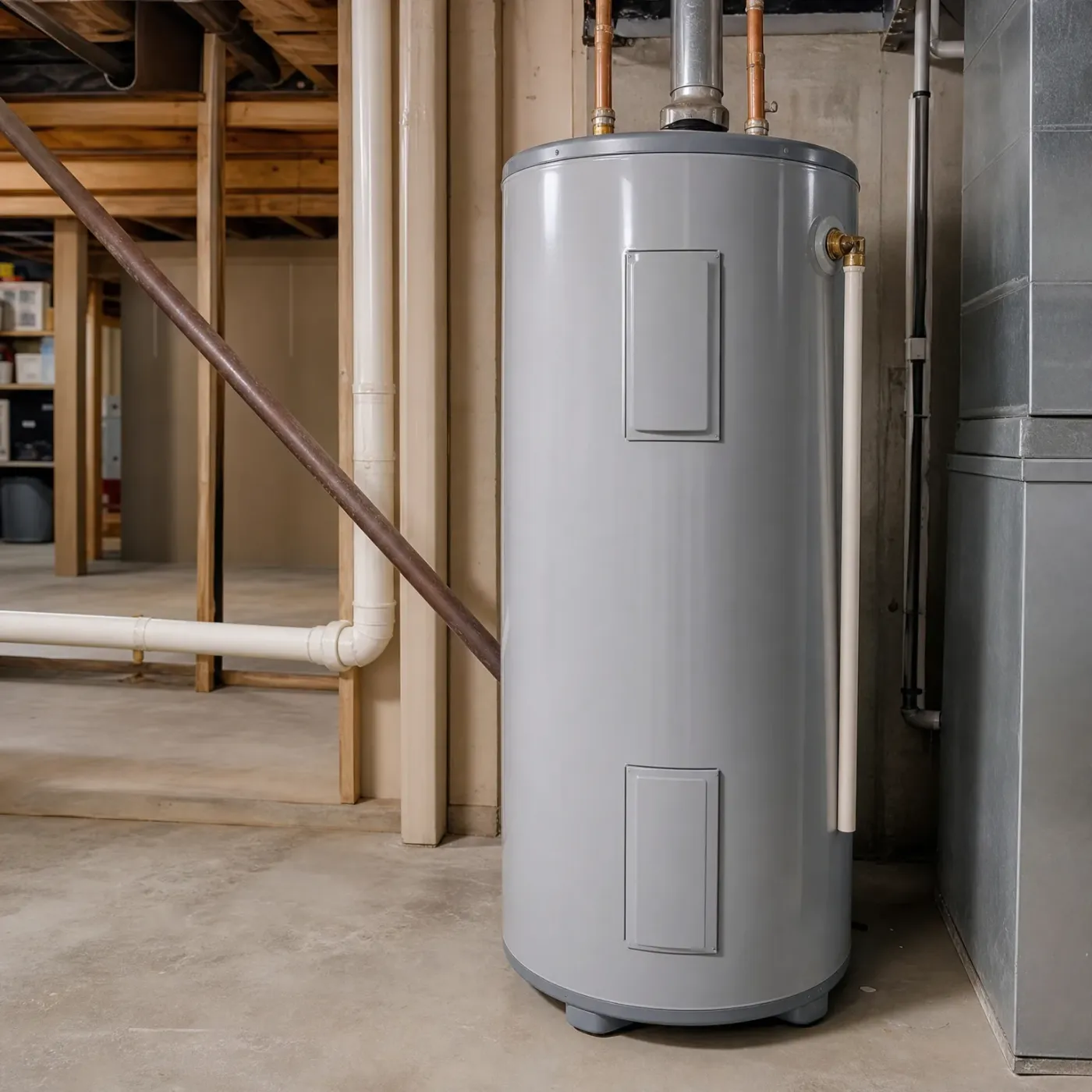
Pipes stay dry and the floor around the base is clean. The gas line and flue connect tight with no scorch marks or soot near the draft hood. A tank set correctly and kept up like this has no reason to leak or corrode early.

120 degrees Fahrenheit is the right setting for most water heaters in New York. That holds year round, no matter what the weather outside is doing. Most homes here heat water with gas, and at 120 degrees a gas water heater runs efficiently without wasting fuel heating water hotter than anyone needs. Go higher, to 140, and you burn more gas for no real benefit, plus you raise the risk of scalding at the tap. Go lower, below 120, and the tank becomes a place where bacteria like legionella can grow in the stored water. 120 is the point that keeps the water safe, keeps the gas bill in check, and keeps the tank from working harder than it has to. If your water heater has a dial instead of a digital display, the "normal" setting is usually close to this mark, but check it rather than assume.




The dial that controls your tank's temperature sits behind a small access panel, usually low on the tank, and it can be turned anywhere from 110 to 140 degrees. On a gas unit, a thermocouple or flame sensor checks that the pilot or burner is actually lit before it lets gas keep flowing, which is a safety step, not a temperature one. Electric tanks usually run two separate thermostats, one for the upper element and one for the lower, and if they get out of sync one element ends up doing more work than it should. Turning the tank above 120 degrees doesn't just raise the risk of a scald at the faucet, it also puts more strain on the tank's parts over the years. Sediment is a separate issue. It settles at the bottom of the tank over time and makes the burner or lower element work harder to hit the same setting, which is one reason two tanks set at the same number can behave differently. Setting the tank too low, under 110 degrees, gives bacteria like legionella more room to grow inside the tank.
Set the dial to 120 degrees on the panel
Burner or element heats the tank to that point
Thermostat cuts heat once water hits the mark
Tank holds that temperature until a tap opens
Turn on the hot tap and see how fast it goes from warm to scalding. If it takes less than a couple seconds, the setting is probably above 120. You might also notice water that's uncomfortably hot at the lowest faucet position, or a tank that runs through hot water slower than it used to, since high heat speeds up the mineral buildup that eats into capacity over time. Check around the base of the tank for any dampness or rust streaks. A heater working harder than it needs to wears out its parts sooner, and in a house that heats water with gas, that extra heat is burning more fuel for no real benefit.
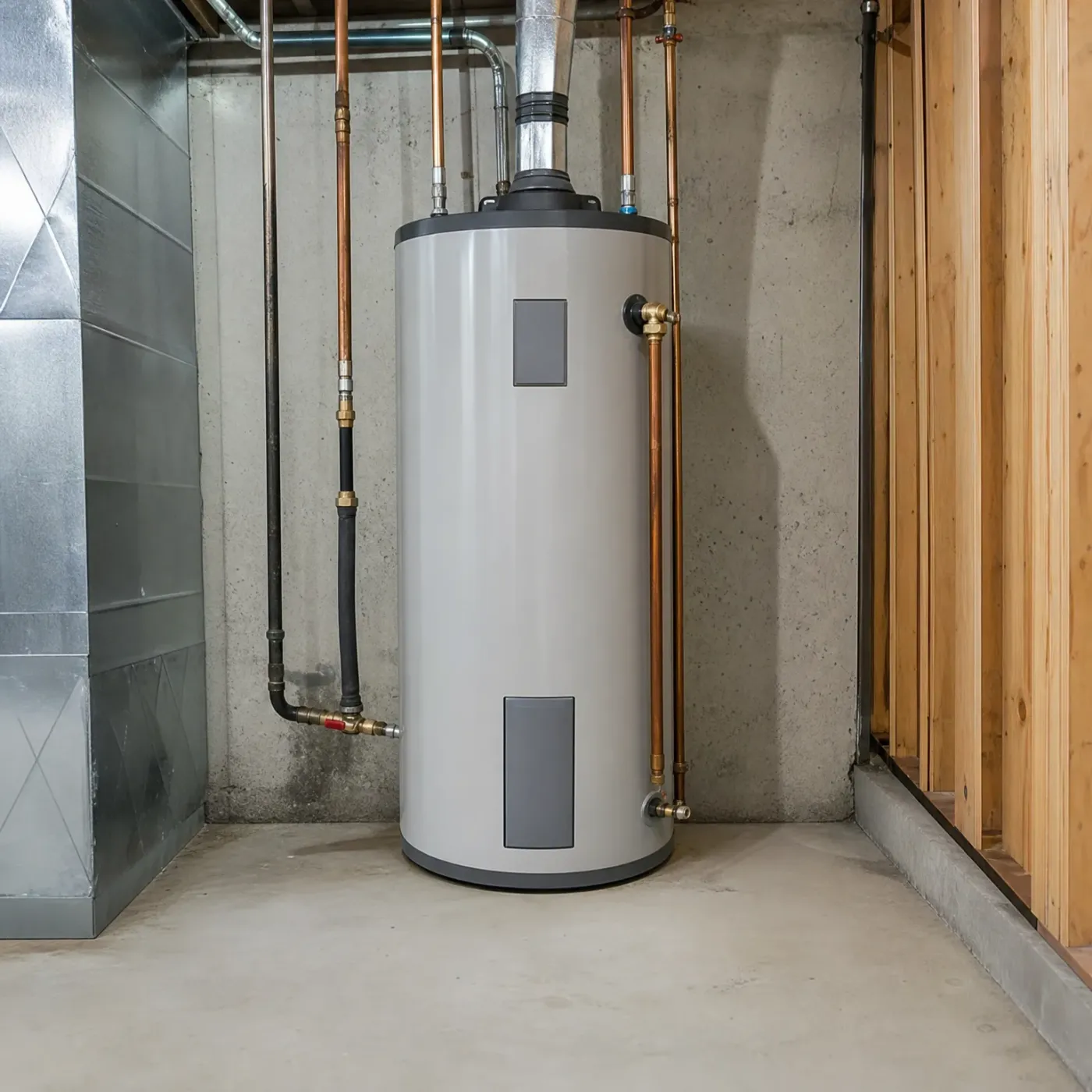
Pipes stay dry and the floor around the base is clean. The gas line and flue connect tight with no scorch marks or soot near the draft hood. A tank set correctly and kept up like this has no reason to leak or corrode early.
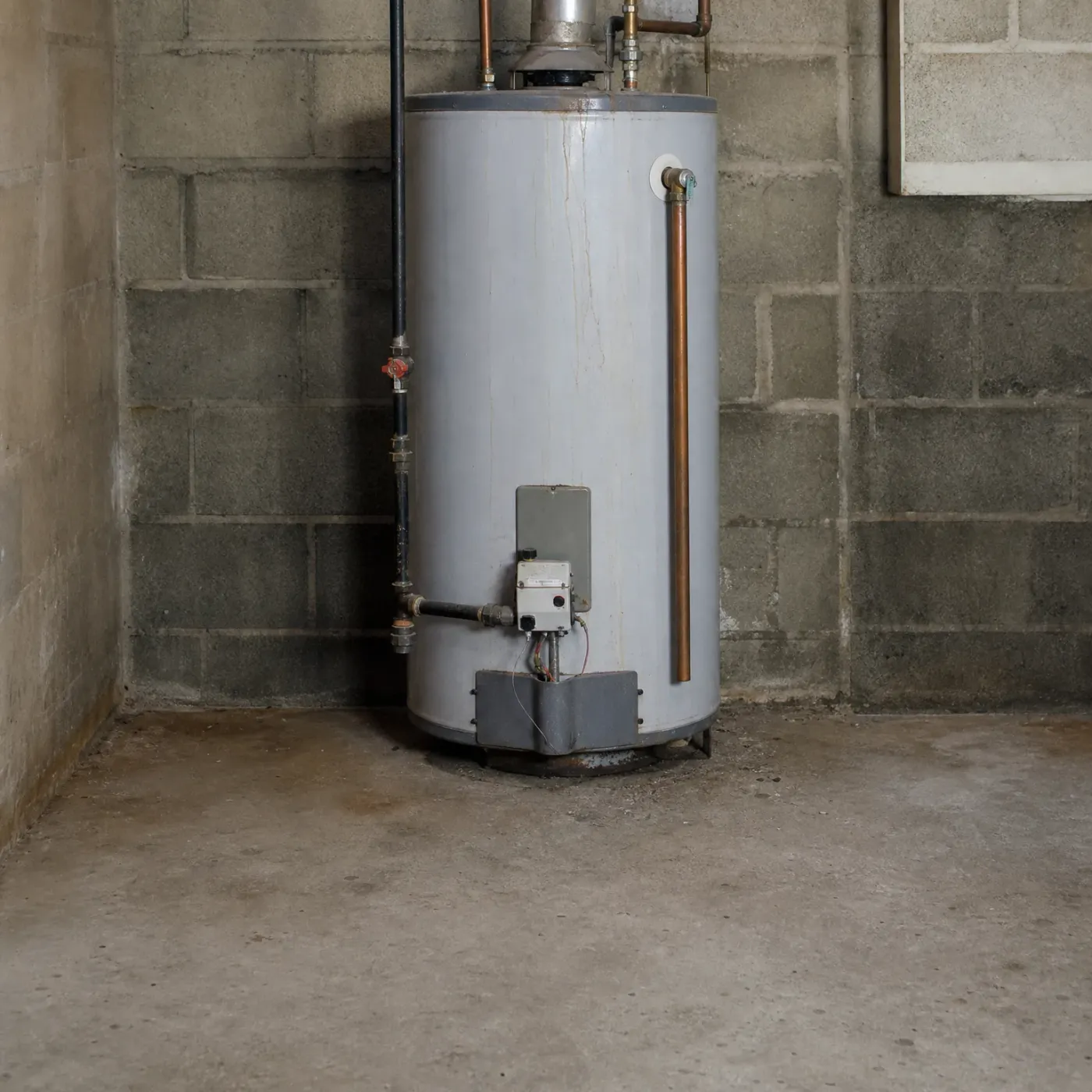
Check where the black iron pipes and gas valve meet the tank. Rust or a damp patch at the base means something is failing inside, and no thermostat setting changes that. A contractor can tell you if it still has life left or needs replacing.


Send the form, and lining up the water heater tune-up stops being yours to chase.
A local pro who knows water heaters gets your details and gets in touch.
No fee to send it, and nothing to sign.
Gas water heaters without electronic ignition keep a small flame burning all the time instead of switching on like an electric heater does. It looks wasteful, especially with power costs what they are in New York, but there's a reason it's built that way, and it has nothing to do with saving on electricity.
A standing pilot exists so the water heater never dumps gas into the tank without something ready to burn it. The thermocouple sits right in the pilot flame, and as long as that flame is burning, it tells the gas valve to stay open. If the pilot goes out, the thermocouple cools in seconds and shuts the gas off completely. That's the whole purpose. It's not there to warm the tank faster or save on an ignition system. Older gas water heaters are built this way because a standing pilot works without any power at all, which also means it relights and keeps running through an outage, something a furnace with electronic ignition can't do.
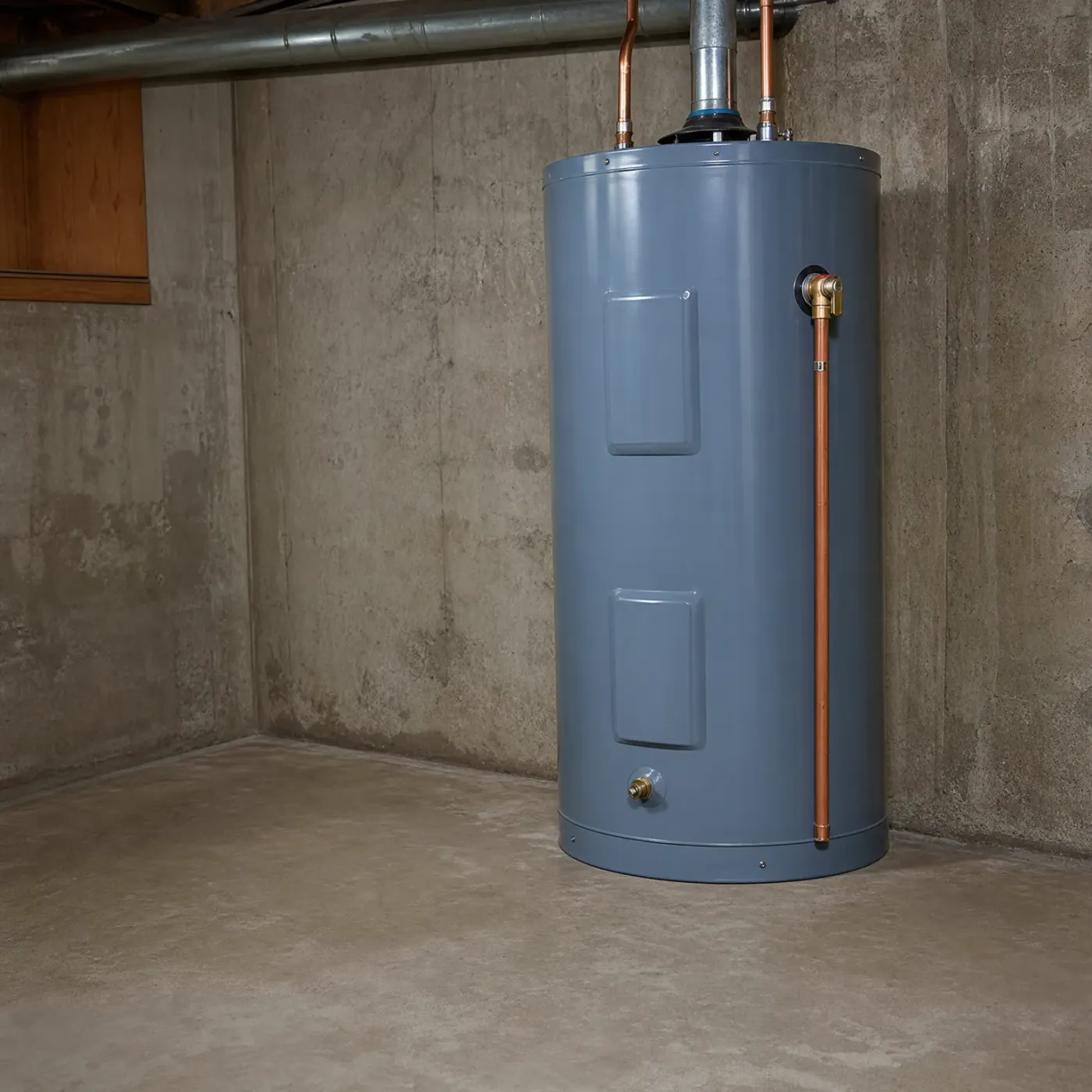
Copper pipes and the vent connect tight at the top, and the floor around the base stays dry. A tank like this, kept at 120 degrees and looked at once a year, has no reason to rust or fail early. Nothing here needs attention beyond the usual check.
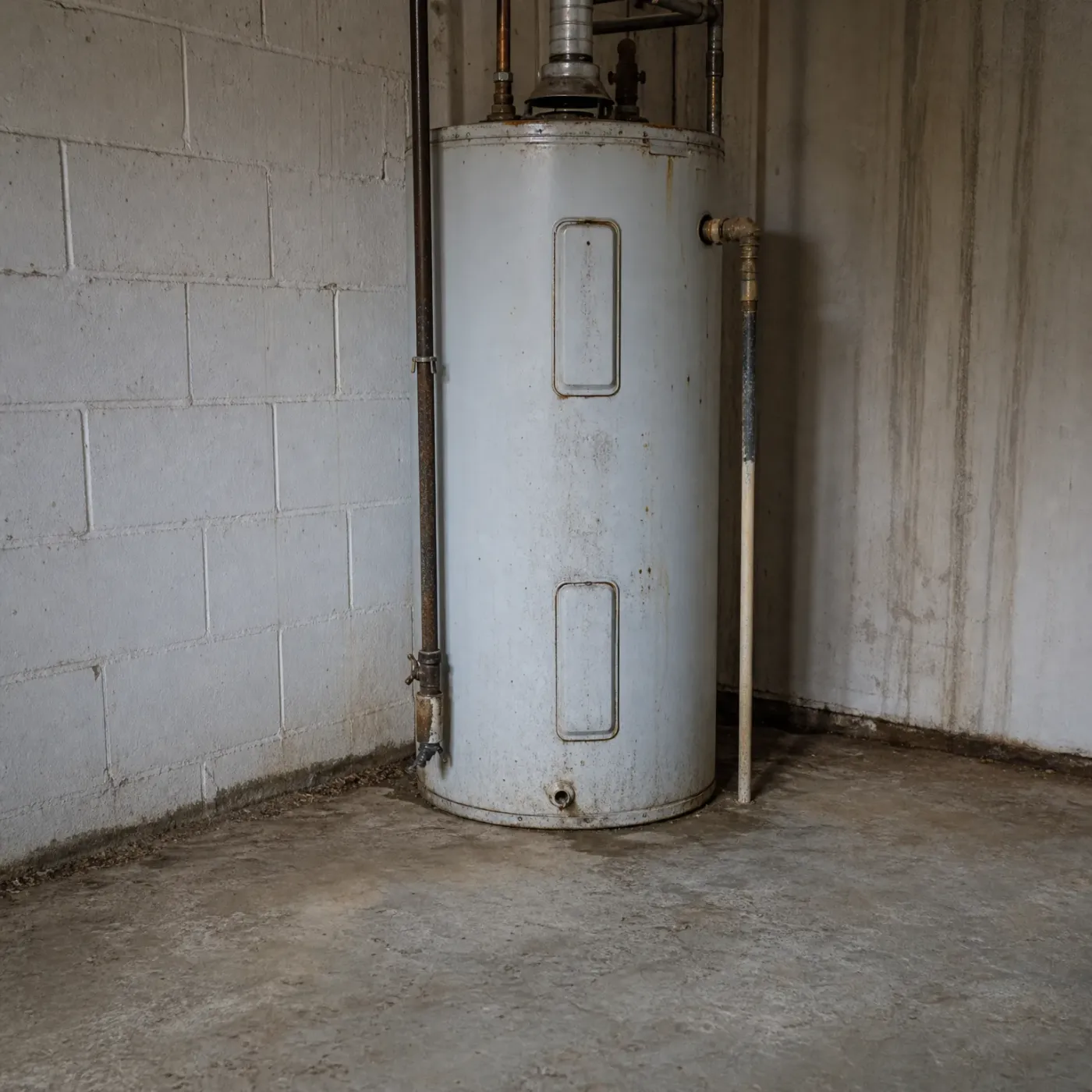
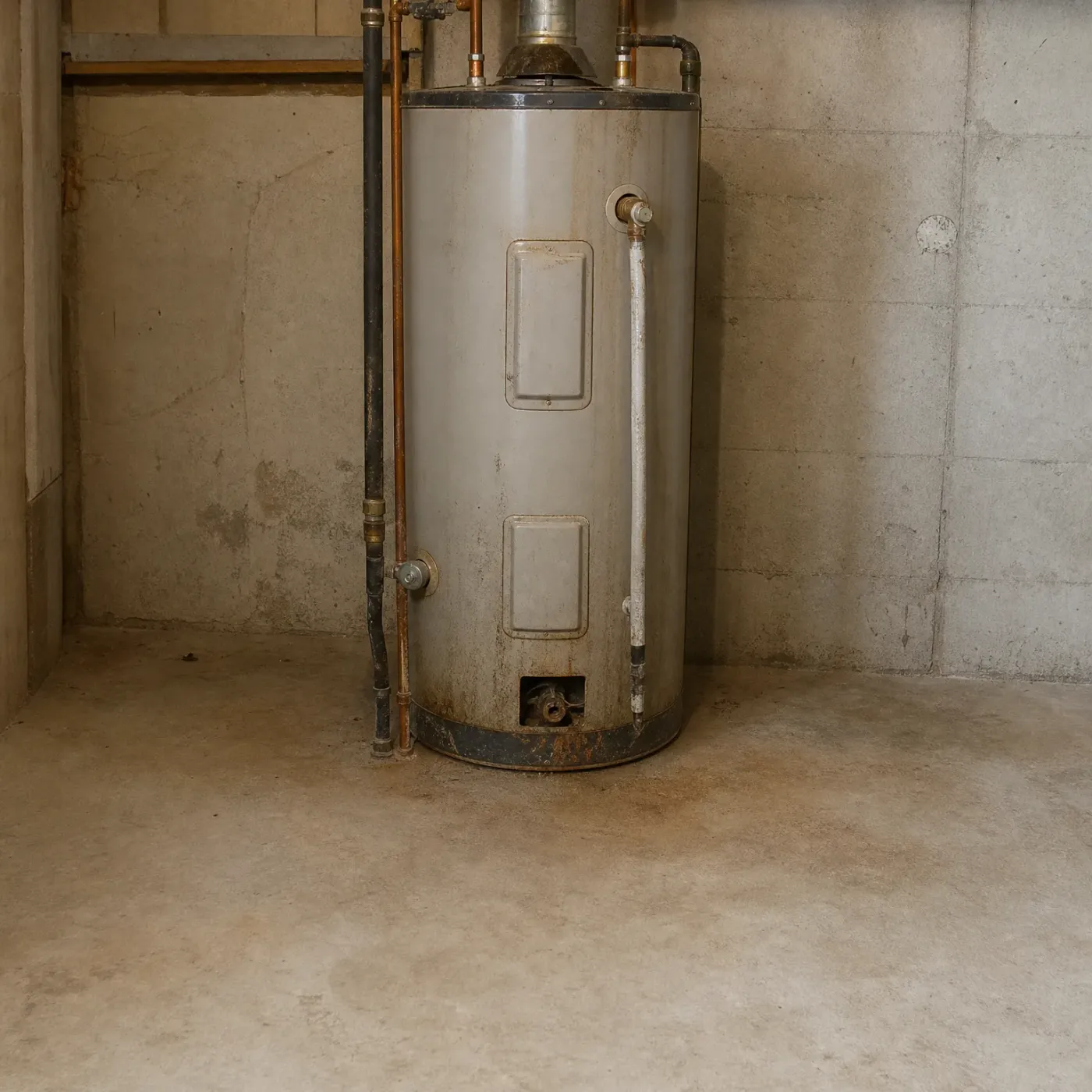
This tank shows heavy corrosion low on the body, where water has been sitting against the metal. A setting change won't stop this. Once rust gets to this point the tank is on its way out, and a contractor should look at it before it leaks.
Most houses in New York heat with gas, yours probably included. That means a gas water heater, with a thermocouple or igniter keeping the burner honest and a pilot or ignition system to check before you touch the dial. Keep it at 120 and maintenance stays simple.
ACS 2020-2024 5-year B25040
120 degrees is where a gas water heater in New York belongs, through the cold months and the sticky ones alike. That number holds whether the tank sits in a basement in January or a closet in August. Go higher and gas gets spent heating water nobody needed that hot, while the thermocouple or igniter takes the wear for it. Go lower and the tank can't keep up when a cold snap sends everyone to the shower at once, and water sitting below 120 gives bacteria room to grow. The tank itself tells you how it's doing. A dry floor, fittings that stay tight, no soot gathering near the draft hood, that's a tank doing its job at the right setting. Rust along the base or scorch marks near the burner say something different, and turning the dial won't fix either one. A yearly check is what confirms the dial still holds at 120 and that the pilot or ignition system lights the way it should, before a small problem becomes a tank that needs replacing. Once that's confirmed, the setting takes care of itself until the next check. If you'd rather have someone confirm it than guess, sending the form is the last step on your end. From there, a contractor who covers New York takes it on, and it stops being something you have to track.

Send the form and the water heater tune-up stops being something to remember.
Sending the form costs nothing.