

Working the way it should
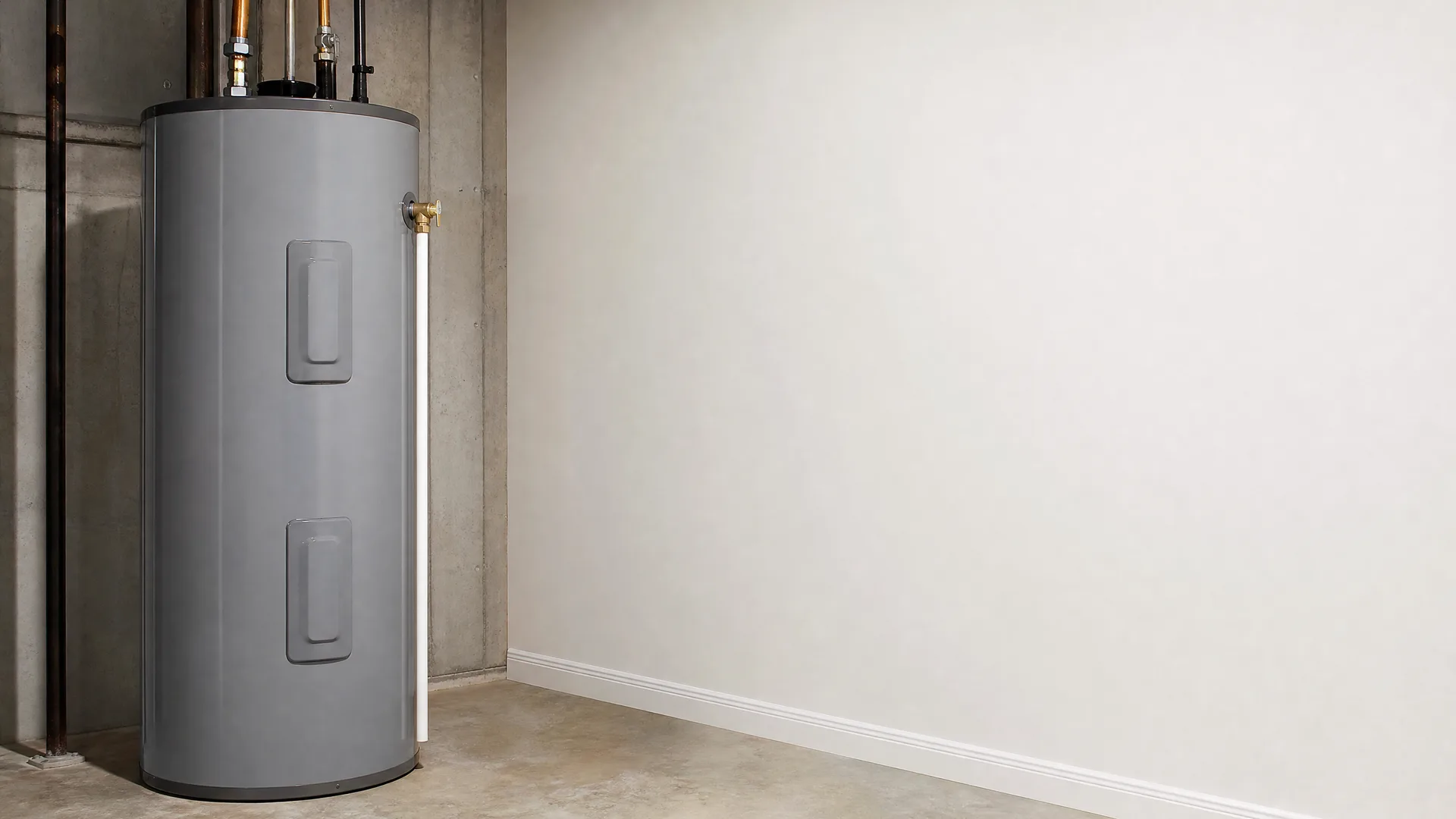
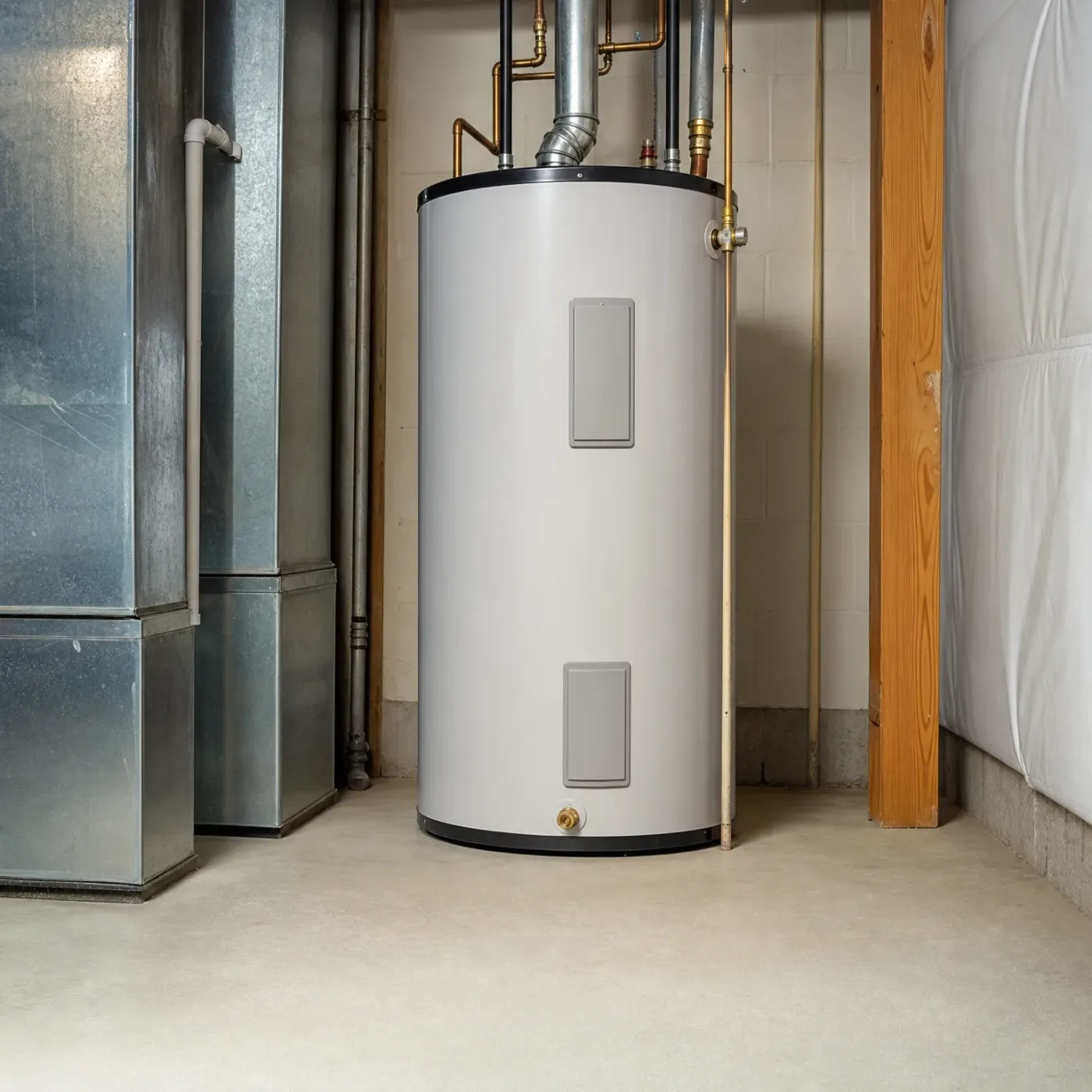
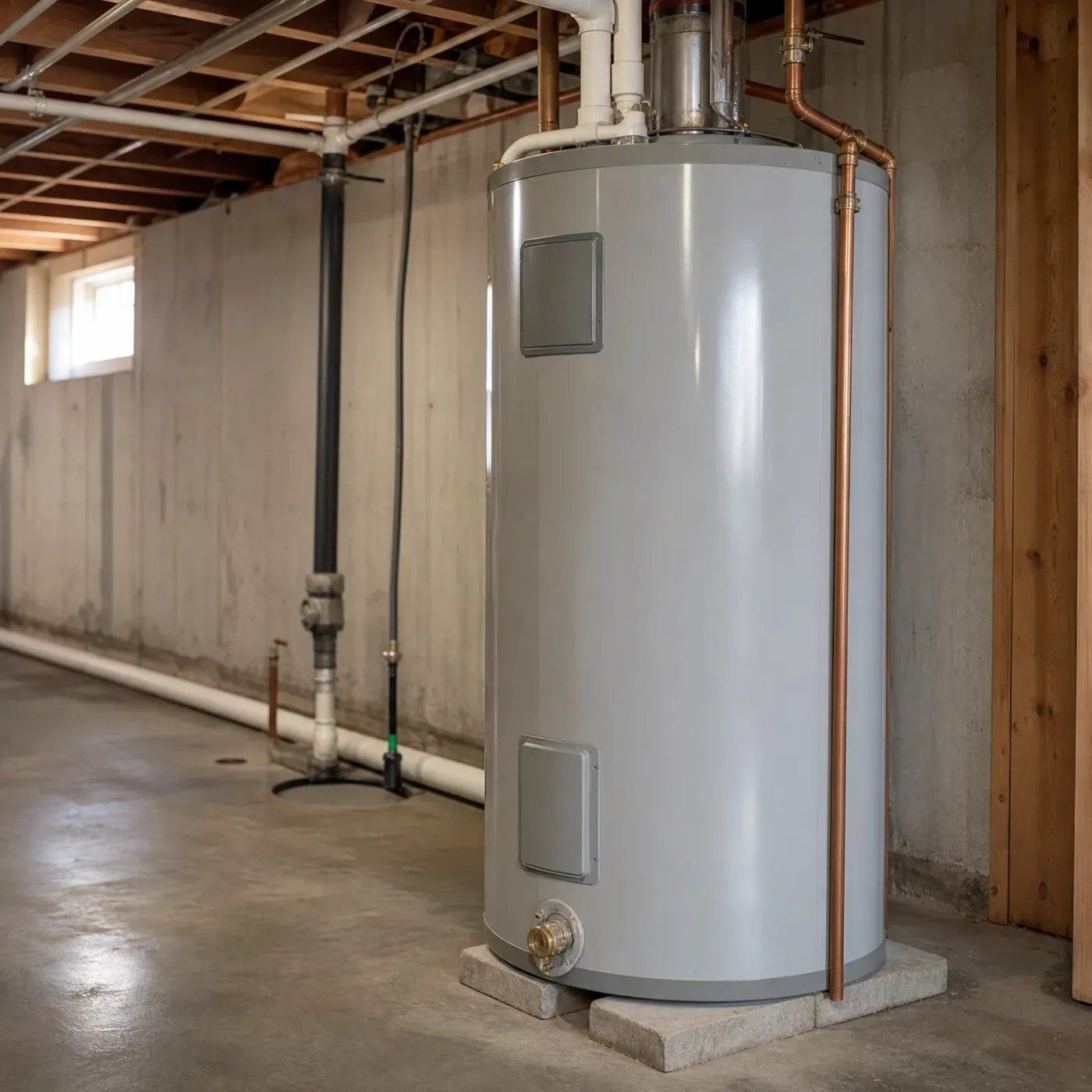
A water heater like this holds its full rated capacity and recovers at the rate it was built for. Hot water runs until the household is done with it, not the other way around.
Send the request today and stop worrying about who to call.
Let a pro reach outRunning out of hot water fast usually means the tank is undersized for what your household asks of it, or the dip tube or heating element inside has failed. In a gas water heater, that's often a burner that can't keep up, or sediment sitting on the bottom of the tank taking up space where hot water should be and insulating the burner from the water itself. A full tank that still turns cold after one shower points to a broken dip tube, which lets incoming cold water mix straight into the hot water near the top instead of entering at the bottom. Either way, the tank isn't actually failing to heat, it's failing to deliver what it's heated. That distinction matters because it decides whether the fix is a part or a new unit, and that's not something to guess at on your own.
Gas water heaters sit on a burner at the bottom, and sediment settles right where that heat needs to pass through. A layer of sediment shrinks how much water the tank actually holds, even though the label still says 40 or 50 gallons. It also makes the burner work harder to heat what's left, so the water that comes out can run short and cooler than it should.
The dip tube sends cold water to the bottom of the tank so the burner heats it there while hot water draws off the top. When that tube cracks or breaks, cold water mixes in near the top instead, and you feel lukewarm water much sooner than before. If your hot water used to last and now runs out fast, a broken dip tube is the kind of failure that explains a sudden change rather than a gradual one.
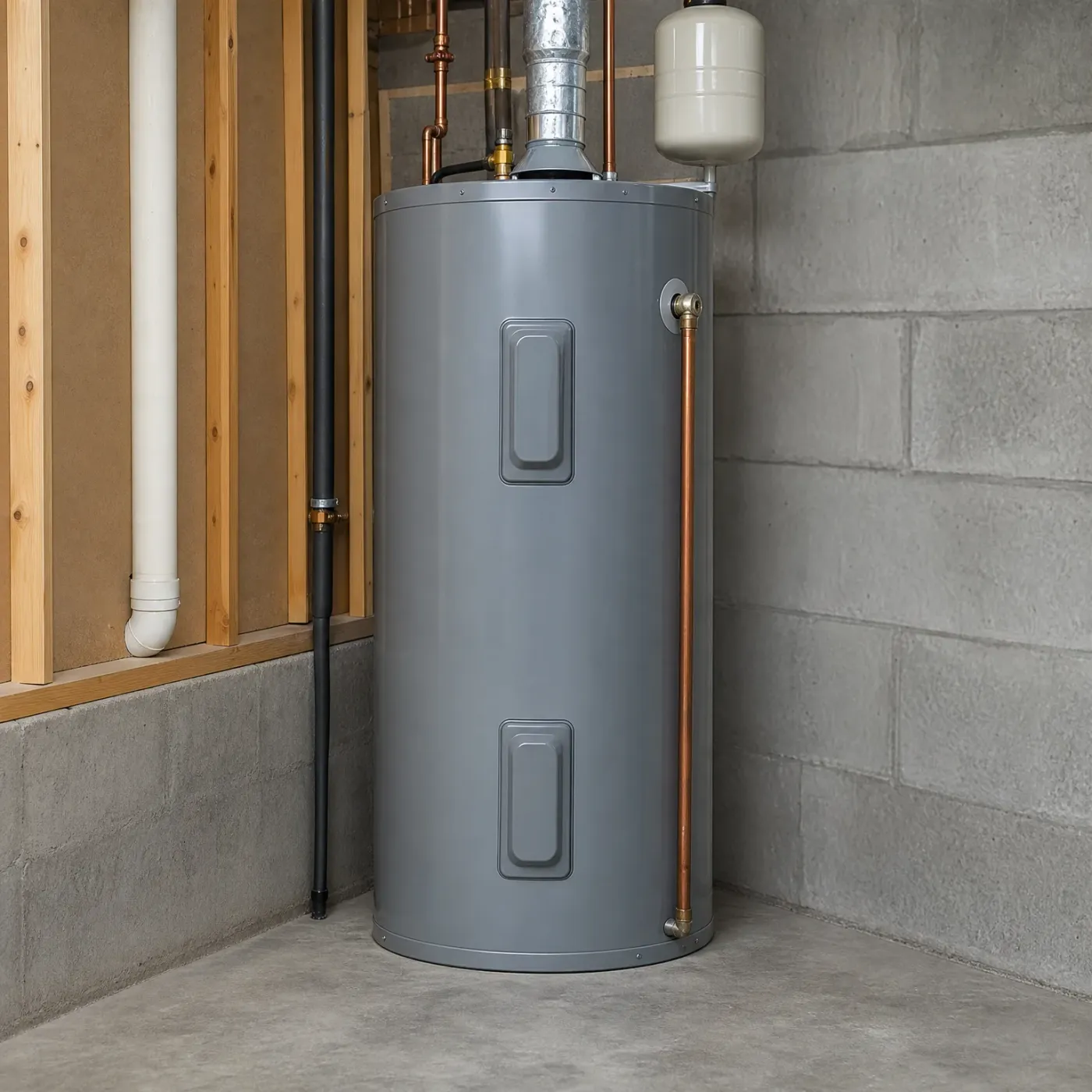
A water heater like this holds its full rated capacity and recovers at the rate it was built for. Hot water runs until the household is done with it, not the other way around.
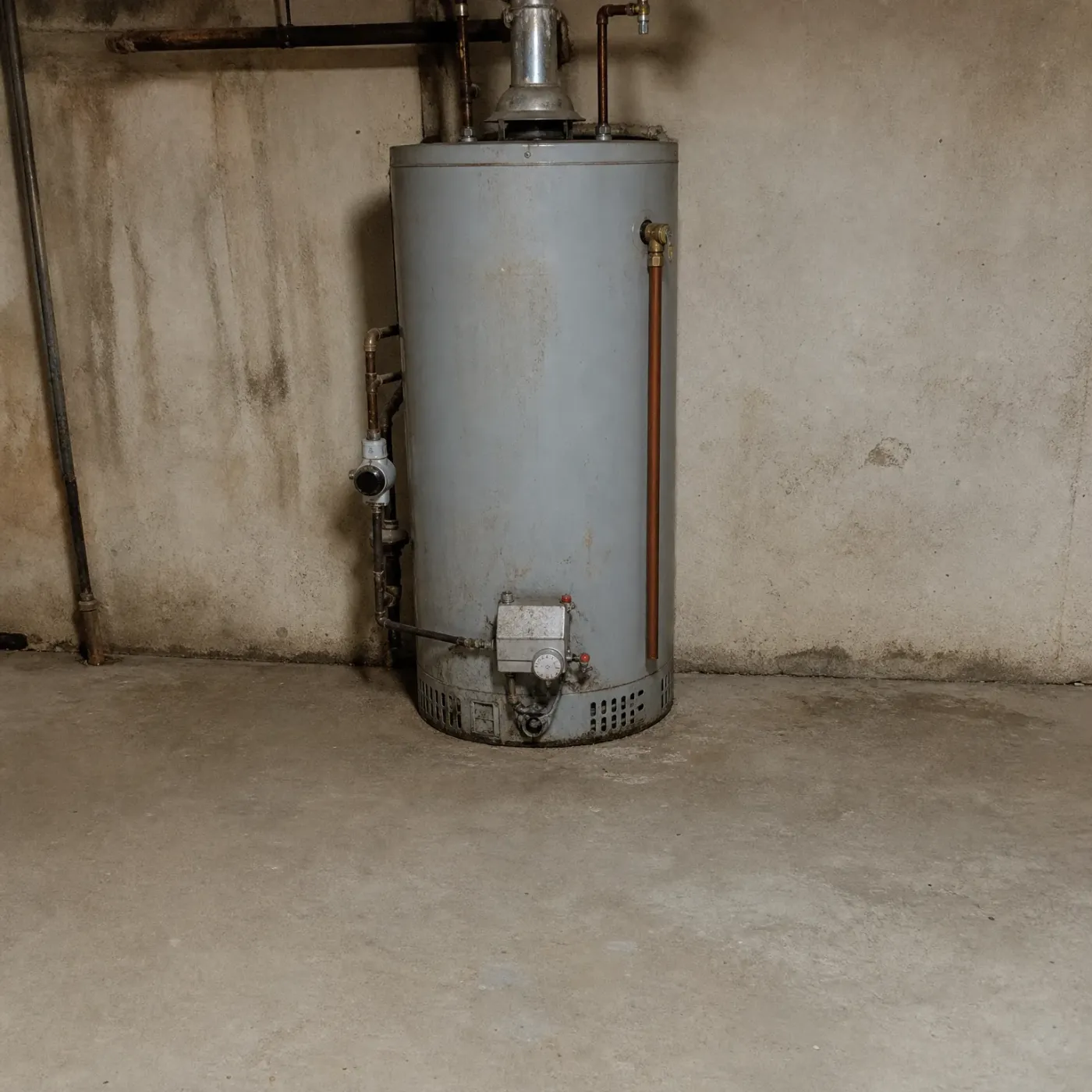
Corrosion like this eats at the tank wall, and mineral deposits build up around the burner. Less of the tank holds usable water, and what's left takes longer to heat, so hot water runs out well before anyone expects it.
You can probably tell already. The shower starts warm and goes cold partway through, or the second person to wash dishes gets lukewarm water no matter how long they wait. Maybe it's new, started after someone moved in or a new routine added another shower to the morning. Maybe the water looks slightly rusty or has a metallic smell before it runs cold. If it's gotten worse over months rather than staying the same, that points to the tank itself losing ground, not just a houseful of people asking more of it. Left alone, a tank working harder than it should tends to fail sooner, not later.
Describe what your water heater is doing once, in one form.
Send the request today and let a water heater pro reach out to you.
No charge to send it. You decide if you hire them.




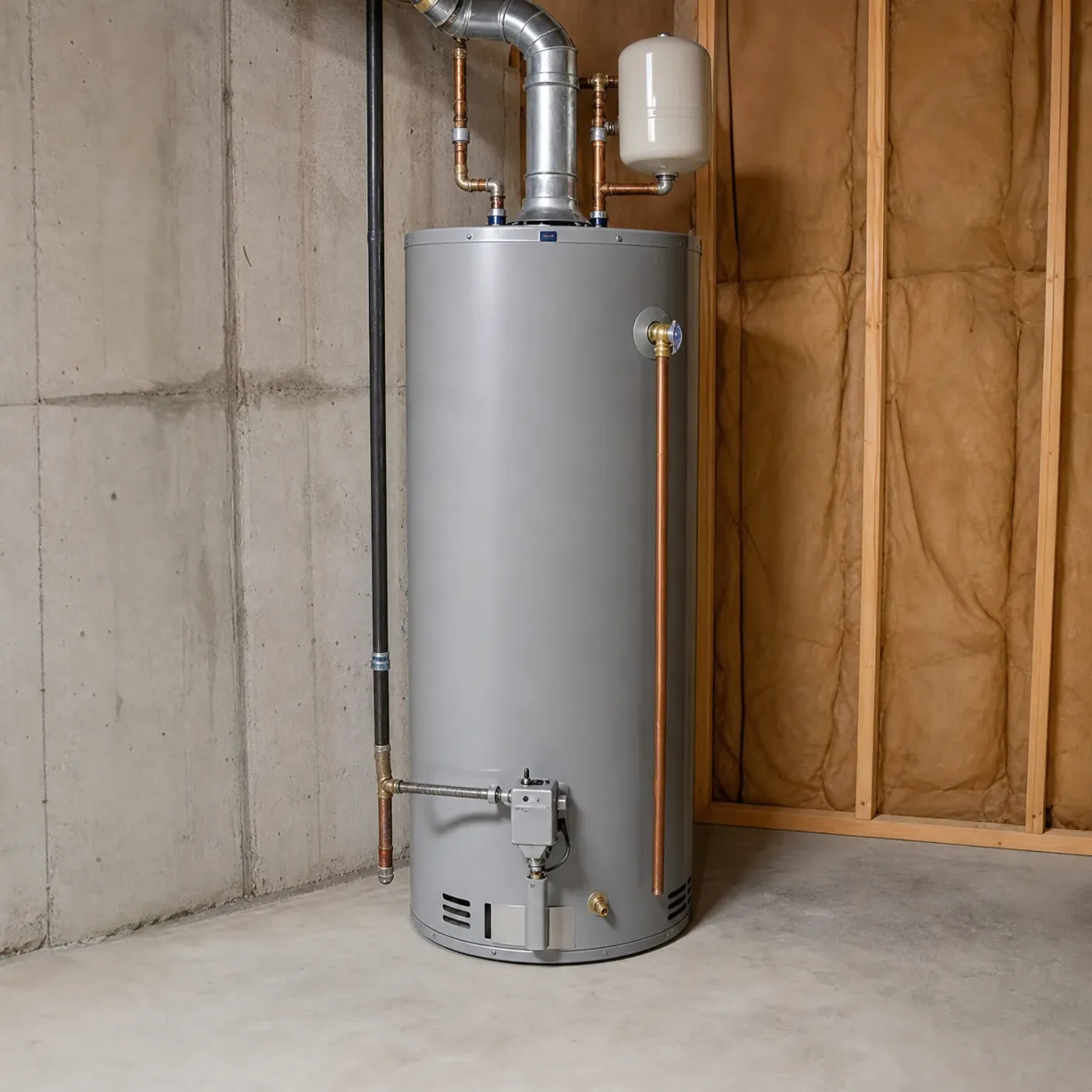
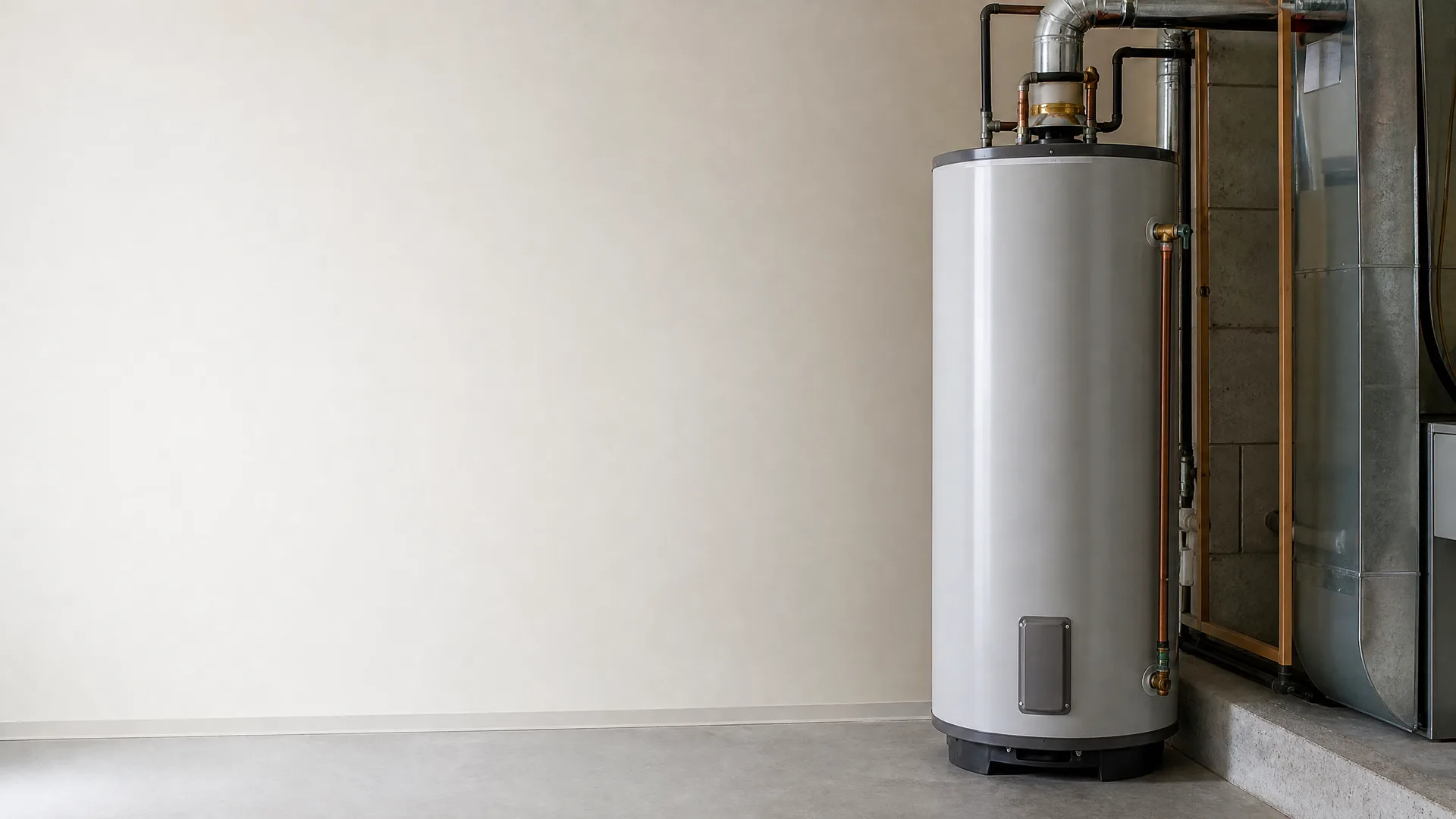
A water heater in good shape heats water fast enough that the tank keeps pace with the house. The burner fires, the flue draws, the expansion tank handles the pressure change, and hot water keeps coming when the next person turns on the tap.
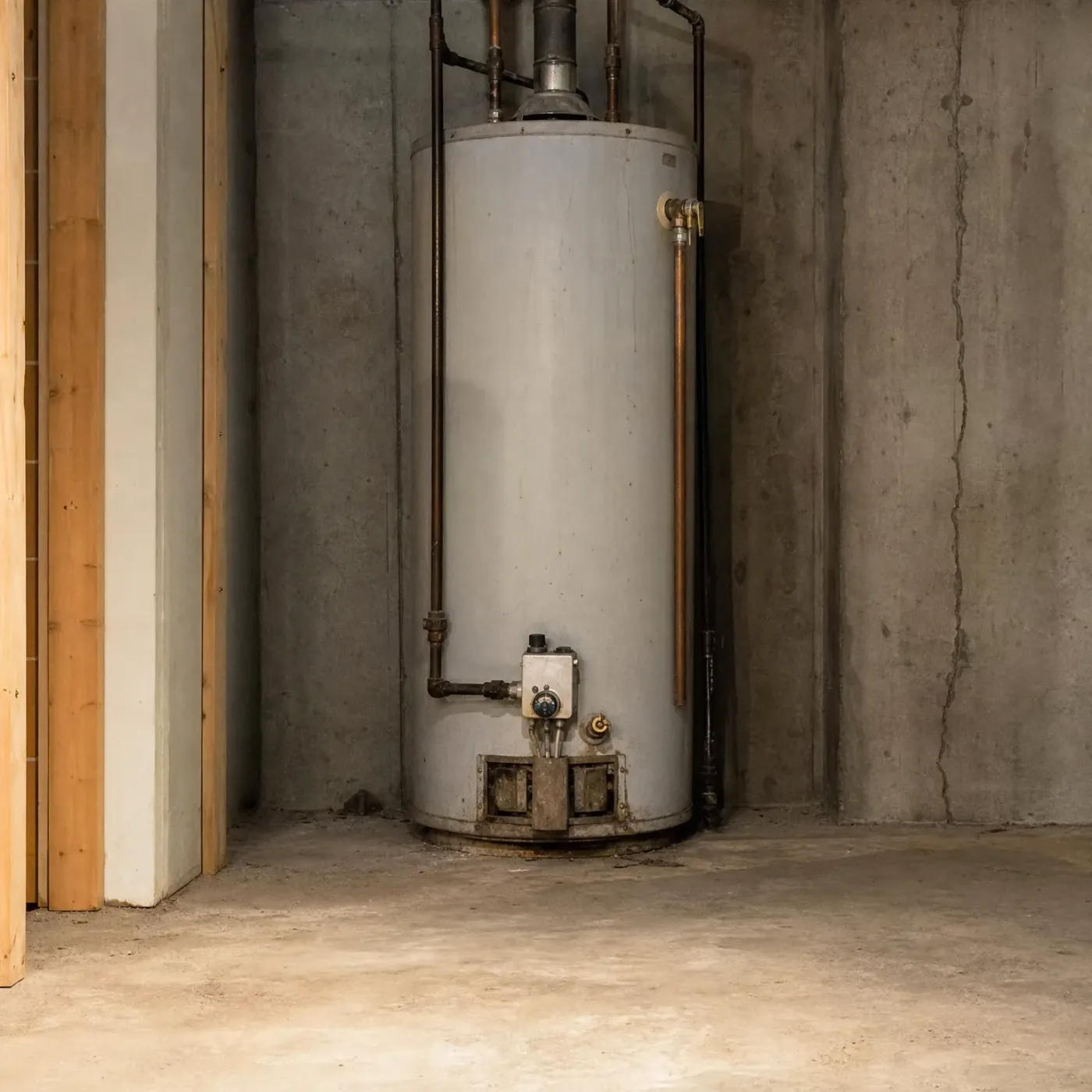
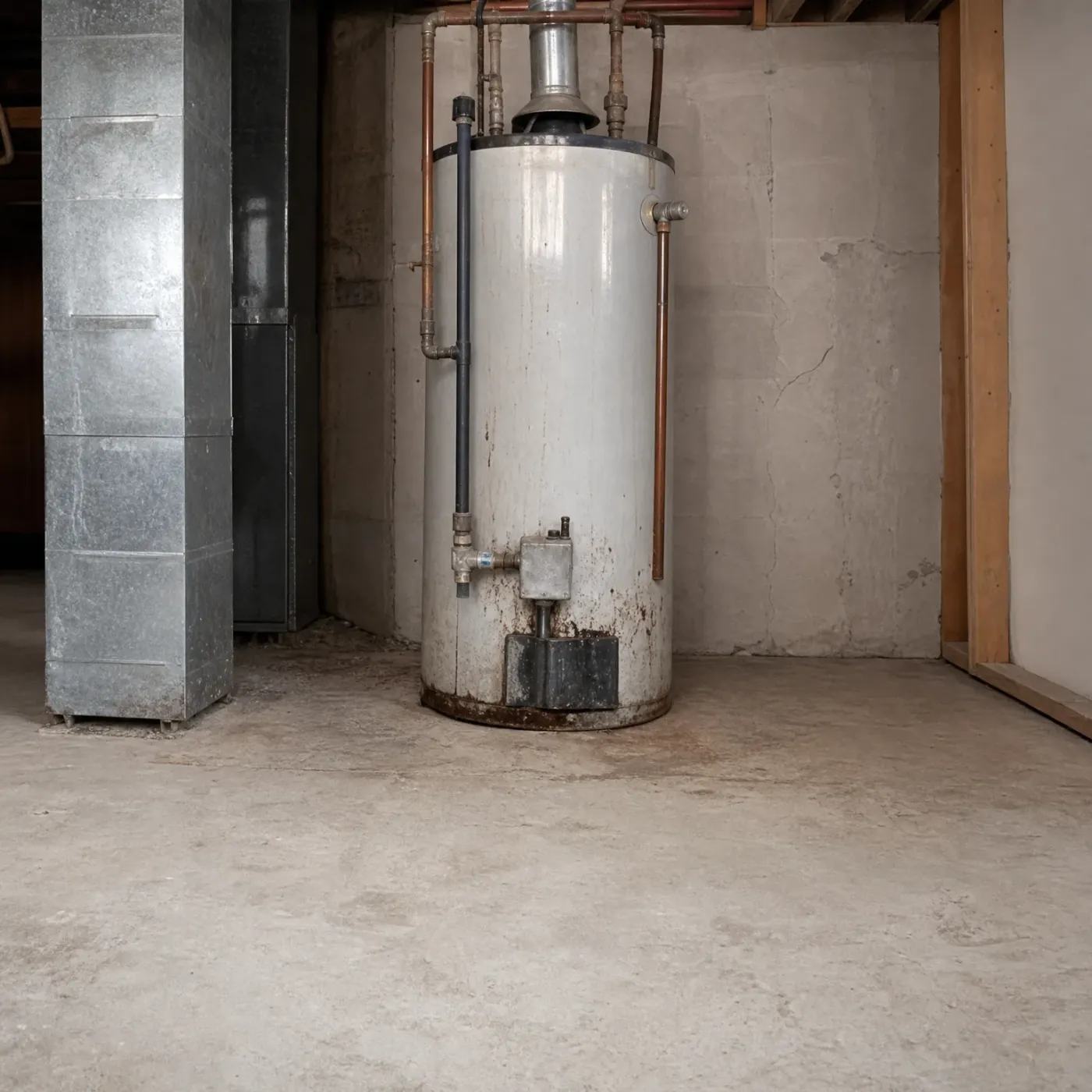
This tank is older, and the gas control valve at the base is doing more work to get the same result. Sediment built up over years cuts into how much the tank holds and slows how fast it recovers, so hot water runs out sooner than it used to.

Cold water enters a gas water heater through the dip tube, a plastic pipe that runs down the inside of the tank and releases that water near the bottom, close to the burner. That's by design. The cold water heats first, rises, and pushes already-hot water out through the outlet near the top. When the dip tube cracks or breaks off, incoming cold water dumps out near the top instead, right where the outlet pulls from. You get lukewarm water from the first few minutes of the shower, not the twenty or so you'd expect from a full tank.
A cracked dip tube isn't something you can see without draining the tank and pulling it out, and it isn't the only part that can cause this. A plumber who repairs water heaters for a living checks the dip tube, the heating element or burner assembly, and the thermostat in the order that rules each one out fastest. Finding that plumber, explaining the problem, and getting someone out to actually look at the tank is the part that takes the evening you don't have. Send the form once and that search is off your list.

Most houses in New York run a gas water heater, same as yours probably does. That means a burner at the bottom of the tank, which is exactly where sediment builds up and cuts into how much hot water you actually get before it runs cold.
ACS 2020-2024 5-year B25040
You now know what's cutting your hot water short. It's either the tank itself, undersized or working below its real capacity, or a specific part that's failed inside it. Sediment on the bottom of a gas tank shrinks the space water has to heat in, no matter what the label says the tank holds. A dip tube that's cracked or broken lets cold water mix in near the top, so what comes out of the faucet goes cold long before the tank is actually empty. A burner that can't recover fast enough means the tank never catches back up between uses, so the second shower or the second load of dishes comes up short. None of these fix themselves, and none of them are about how long your showers are or how many people live in your house. If the water runs out at the same point every time, that's the tank telling you something consistent, and a repair that addresses the actual part, the burner, the dip tube, or the sediment, brings the recovery rate and the usable capacity back to what the tank was built to deliver. You don't need to diagnose which one it is before you ask for help. A licensed contractor can check the tank, find the part that's failed or confirm it's a sizing problem, and tell you what it takes to fix it. What you're dealing with has a specific cause, and that cause has a repair.


Let someone else find the pro
Answer a few questions instead of calling shop after shop.
