Send one request and you're done looking
Why your hot water smells like rotten eggs in New York
That rotten egg smell from your hot water is usually sulfur bacteria reacting with the anode rod inside your water heater tank. It is more common with gas water heaters, which is what most homes around New York have. Below, what causes it and what it means for your tank. Once you send the form, you are done hunting for someone to look at it.
Let a pro reach outThat rotten egg smell is sulfur bacteria in the tank feeding on the magnesium anode rod, a sacrificial piece of metal inside every water heater that attracts corrosion so the tank itself doesn't rust through. When bacteria build up on it, they give off hydrogen sulfide gas, which is what you're smelling. It tends to show up stronger if your water heater sits unused for a stretch, which happens easily if you're away in summer or just run the tap less some weeks. It's not dangerous to breathe in these amounts, but it means something in the tank needs attention. Left alone, the rod keeps feeding the bacteria and the smell usually gets worse, not better. The fix depends on what's actually happening inside your tank, which is why it needs someone to look rather than guess from a search result.


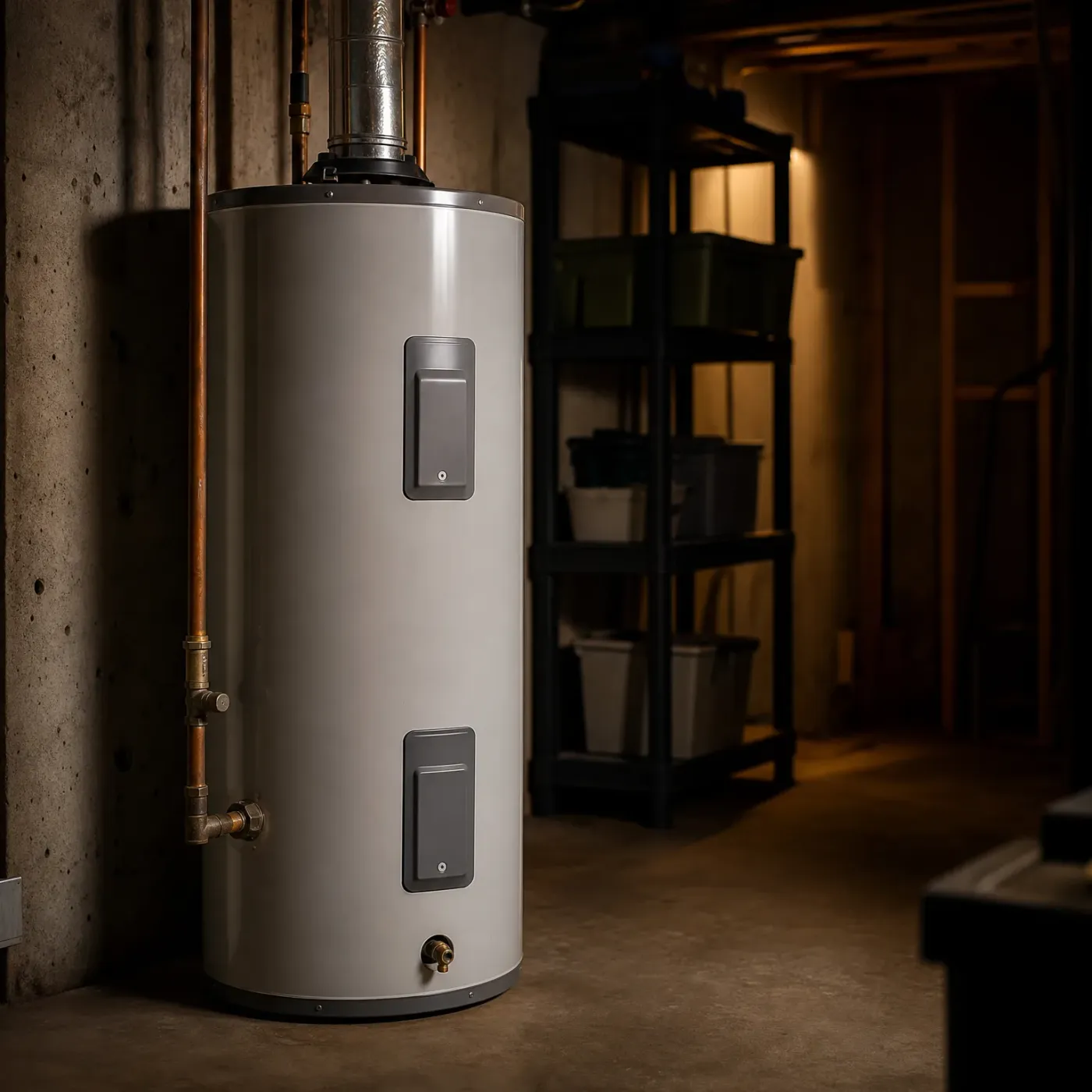
The smell traces back to a reaction that only happens in one spot. Inside the tank, the anode rod sits in the water doing its job, drawing corrosion away from the steel so the tank lasts. Bacteria that feed on sulfate can colonize that rod, and when they do, they give off hydrogen sulfide gas. That gas rides out through the hot line only, since the cold line never touches the tank. If your home runs on softened water or a well, there's less chlorine around to keep those bacteria down, so the reaction runs faster. The rod itself matters too. Magnesium reacts quicker than aluminum, which is why some tanks smell worse than others even with the same water. Letting the tank sit, a few days away, a slow week, gives the bacteria time to multiply undisturbed. Flushing it out helps with sediment, but the rod stays, and so does the reaction feeding on it.
Why It Builds Up Where It Does
- Hydrogen sulfide gas only shows up in the hot water because the reaction happens on the anode rod inside the tank, not in the cold line.
- Softened water and well water speed up the reaction, since both carry less chlorine to keep the bacteria in check.
- A magnesium anode reacts faster than an aluminum one, so switching the rod type can reduce the smell without removing the protection it gives the tank.
- Running only the hot side and never the cold lets sulfate-reducing bacteria settle in and multiply undisturbed in the tank.
- The smell can show up suddenly after the water heater sits unused for a few days, since that gives the bacteria time to build up.
- Flushing the tank clears out sediment the bacteria feed on, but it does not remove the anode rod causing the reaction.
Finding a pro stops being your job
That smell doesn't go away on its own, and running the hot tap more only spreads it through every faucet in the house. Fixing it means pulling the anode rod or disinfecting the tank, work that calls for a plumber who's done it before, not a bottle from the hardware store. Finding one in New York means sorting through listings, calling around to see who answers, explaining the smell and the tank size and the gas line to each one, then weighing quotes that may not even be comparing the same fix. That's hours you don't have while every shower smells like sulfur. Send the request here and that search is done. One contractor gets it, already knowing what you're dealing with, and the job of finding help stops being yours to carry. What's left is the actual repair, not the hunt for who'll do it.
Why the smell is worse in hot water only
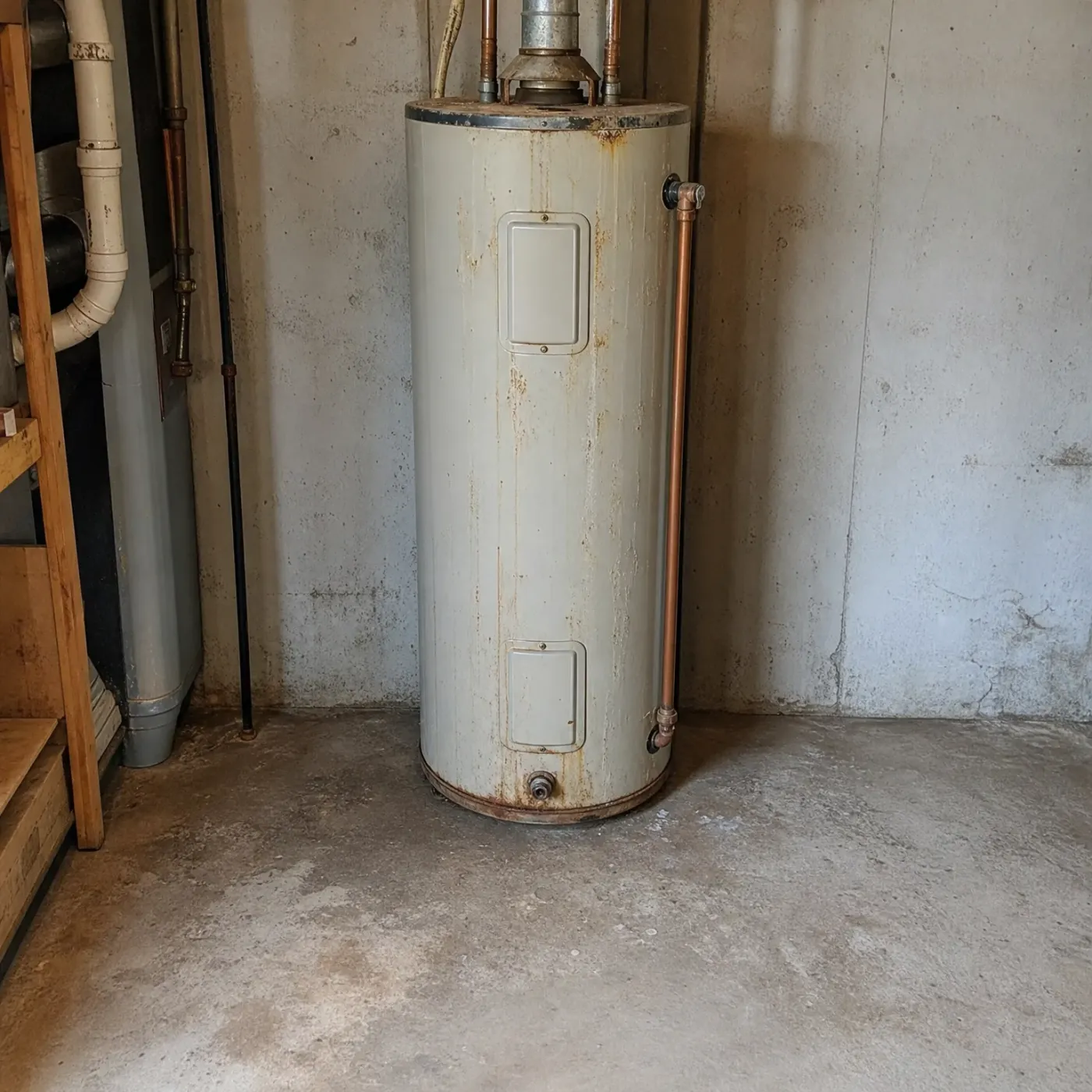
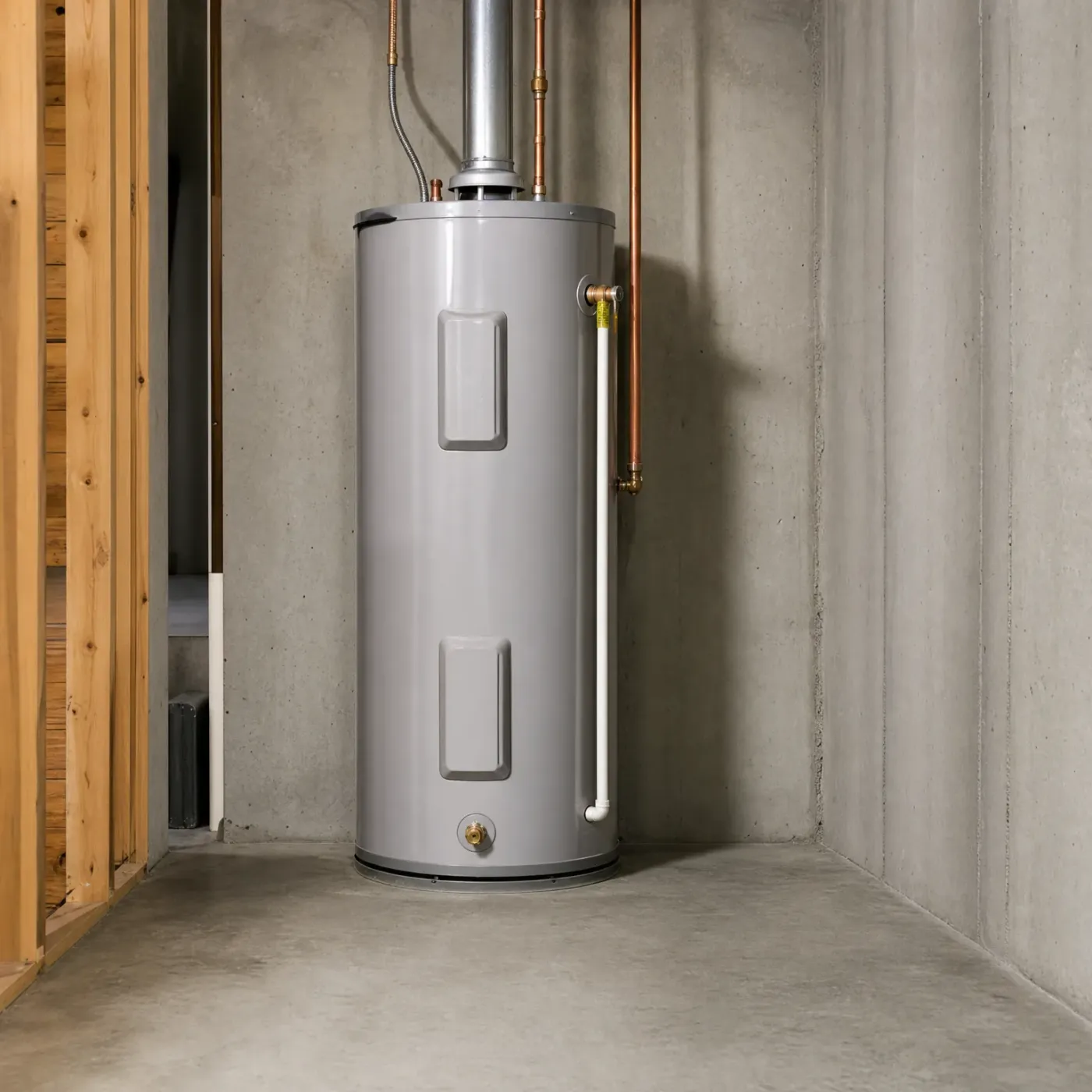
Every tank holds an anode rod, usually magnesium, hung from the top. It sits in standing water that doesn't move much between uses, which is exactly where sulfur bacteria do well. Cold water in your house comes straight from the main and never touches that rod, so the smell has nowhere to start on that side. Gas water heaters, the common setup in New York, hold a full tank at temperature around the clock instead of heating water as it passes through, giving the bacteria a steady place to grow. A tankless unit doesn't have a rod sitting in stored water the same way, which is part of why the smell shows up almost only in tank-style systems.
What the water itself tells you
If the smell is strongest right at the tap nearest the water heater and fades at fixtures farther away, the source is almost certainly the tank, not the pipes. Water that's been sitting a day or two, like after a trip, often smells stronger at first and clears some as it runs, which points to the tank too. If every faucet smells the same no matter how long the house sat empty, that's worth mentioning to whoever looks at it, since it can mean something upstream of the water heater. Either way, the rod and the tank are where a plumber starts checking.




59.1% of homes statewide heat with gas
With gas water heaters in most New York homes, that anode rod is doing its job against harder-working corrosion than in a lot of other states. More gas units running means more tanks where sulfur bacteria have a rod to feed on.
ACS 2020-2024 5-year B25040

The smell has a cause, and a fix
The rotten egg smell is sulfur bacteria feeding on the anode rod in your tank. It shows up in the hot water because that's where the rod sits, and it won't clear up by running the tap or waiting it out. Someone has to pull the rod or disinfect the tank to stop it.
That's a call for a licensed plumber, and finding one tends to mean asking around, waiting on callbacks, and explaining the same smell to two or three different people before you get a quote you trust. Send the form on this page and that part is done. You won't be the one tracking down who's available or sorting through estimates. You'll just hear from someone who can look at the tank.


Let someone else find the pro
Explain the job once and skip repeating it on every call.