



Why your water heater is slow to recover in New York

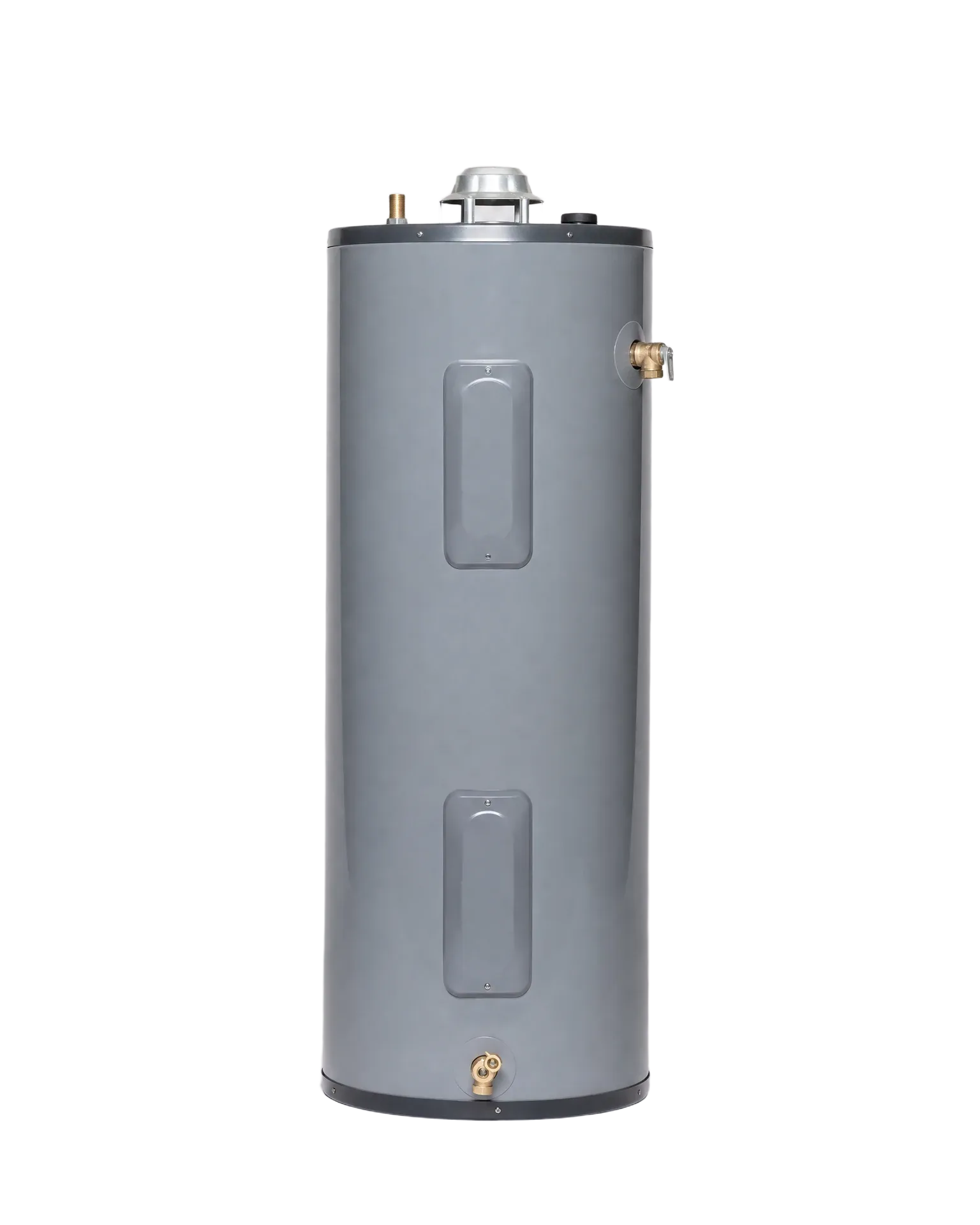
A gray cylindrical water heater with two access panels, a brass side valve, a bottom drain valve, and a metal vent cap on top, photographed against a plain light background.
Fill out one form

A slow recovery usually means the burner isn't putting out enough heat to keep up with the water you're using, or sediment has built up on the bottom of the tank and is sitting between the burner and the water above it. Most homes in New York heat water with gas, and a gas water heater recovers by running the burner longer under the tank. If the burner is dirty, the thermocouple is failing, or sediment has settled in, that heat takes longer to reach the water, and a shower that used to outlast you now runs cold halfway through. It can also mean the gas valve isn't delivering full flow, or the dip tube feeding cold water into the tank is broken and mixing cold in near the top where the hot water draws from. None of these clear up on their own, and most get worse, with recovery time dropping further until the tank can't keep up with ordinary use.

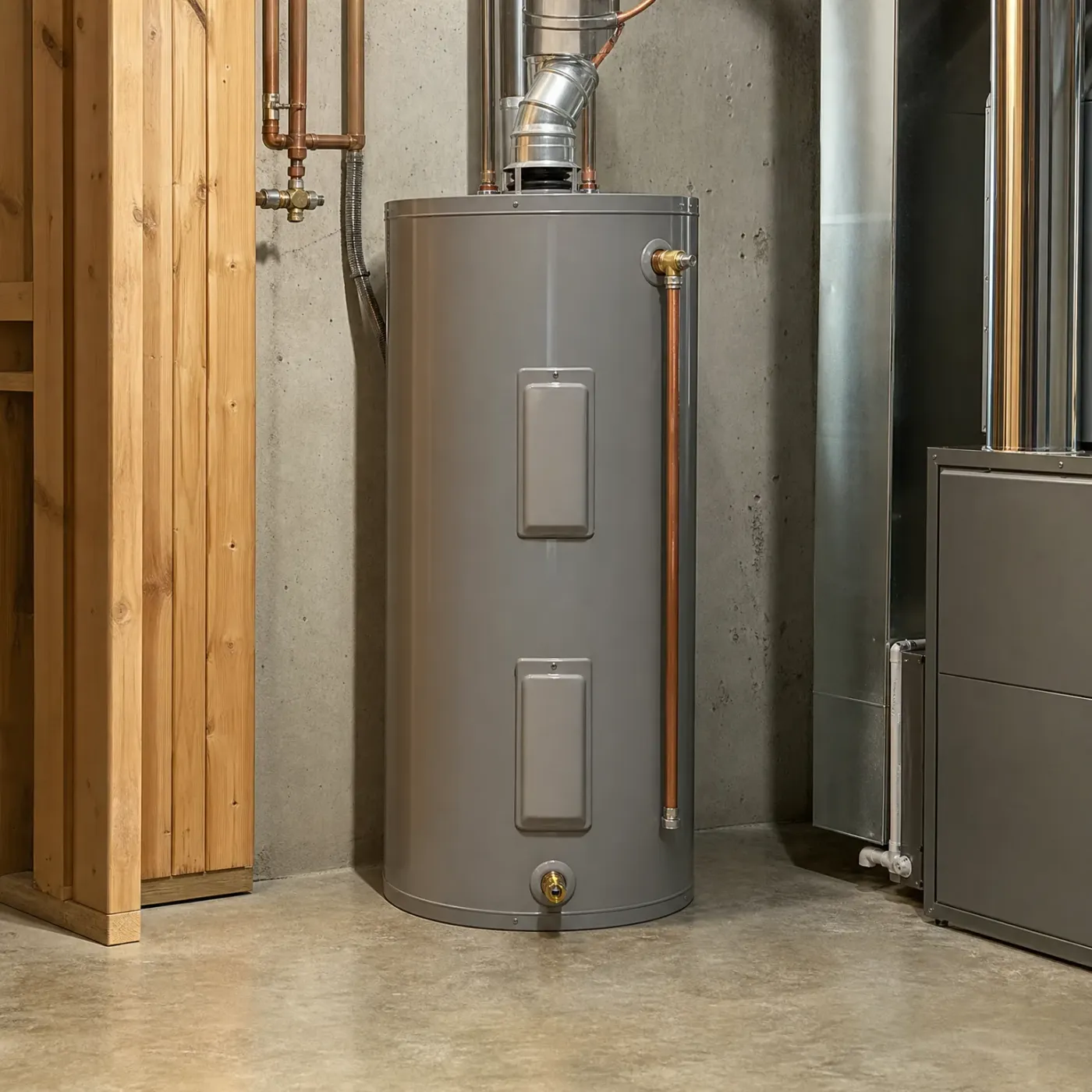
A gray cylindrical water heater with two access panels and copper piping stands against a concrete wall in a basement, beside wood framing and metal ductwork.
A tank like this, with clean burner flame and clear piping, heats water at the rate it was built for.
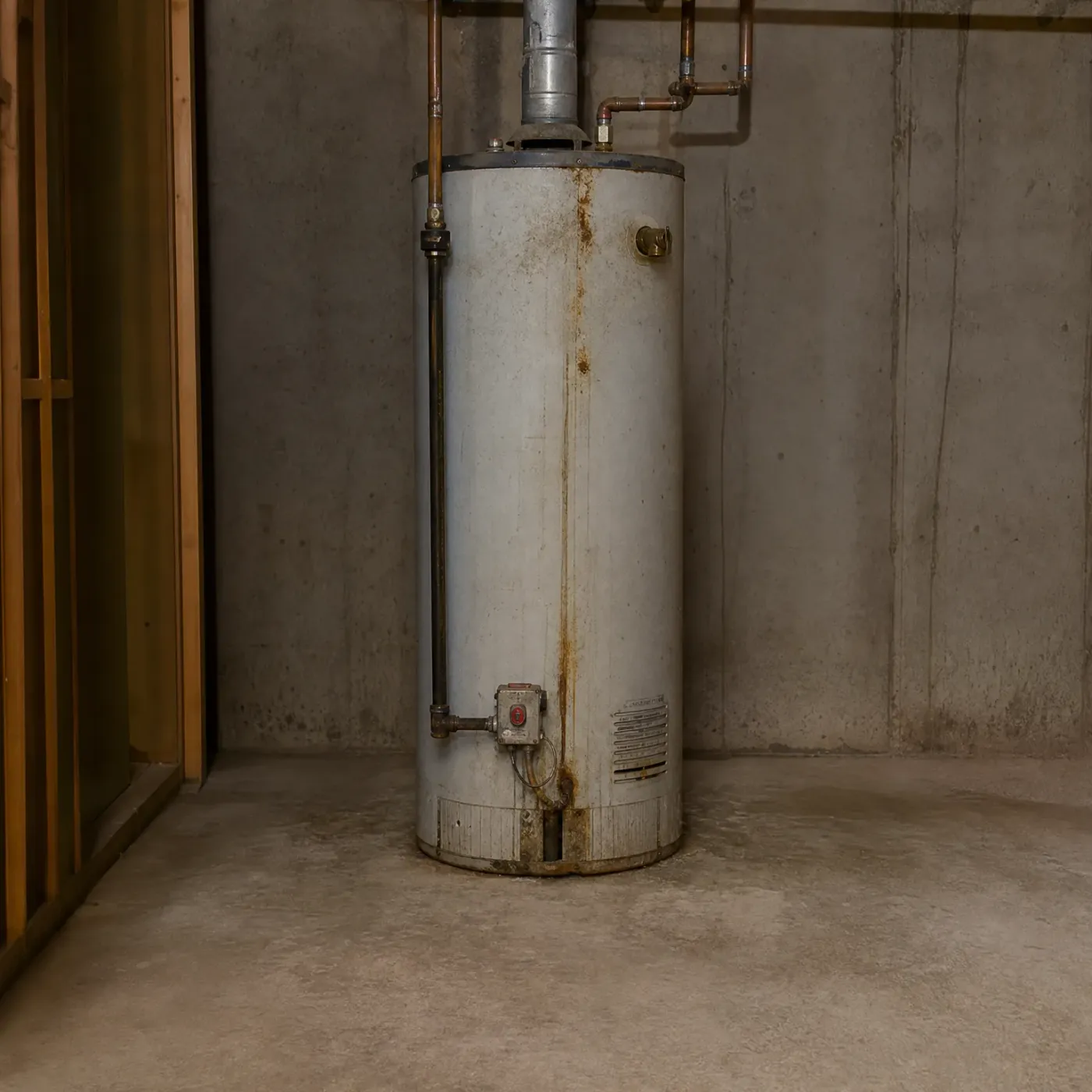
An aging rust-streaked gas water heater with copper and galvanized pipes stands against a bare concrete basement wall beside wooden stud framing.
Rust like this on the tank and fittings often means the burner below is firing through a layer of scale.

The burner's job is to bring cold water up to temperature fast enough that you don't run out while the tank refills. That cold water comes in through the dip tube at the bottom, so the coldest water in the tank is exactly where the burner has to work hardest. If sediment has settled there, the burner is heating through scale before it ever reaches the water, and recovery drags no matter how well the burner itself is running. A gas valve thermostat set low, or reading wrong, cuts the burner off before the tank gets to temperature, even with a clean tank and a strong flame. A thermocouple or flame sensor that's misreading can do the same thing from the other direction, shutting the burner down early on its own. None of this is constant through the year either. Groundwater coming into the house is colder in January than it is in July, so the same burner, working the same way, takes longer to catch up in winter.

How Recovery Actually Works

  • Gas water heaters recover faster than electric because the burner underneath can put heat into the tank quicker than electric heating elements inside it.
  • Cold water enters through the dip tube near the bottom of the tank, so the burner has to reheat the coldest water first before the rest catches up.
  • A thermocouple or flame sensor that's reading wrong can make the burner cycle off early, so the tank never reaches full temperature before it shuts down.
  • Sediment on the tank bottom acts like a layer of insulation between the burner and the water, so more of the burner's heat goes into the sediment instead of the water.
  • The thermostat on the gas valve controls when the burner fires, and if it's set low or reading wrong, recovery slows even though the burner itself is fine.
  • Incoming water temperature changes through the year, so the same burner takes longer to recover the tank in winter than it does in summer.
A gray-haired man in a dark sweater sits on a light gray sofa in a living room, looking toward a sunlit window with trees outside.
A gray-haired man in a dark blue sweater sits on a light gray sofa in a sunlit living room, looking off to the side, with a potted plant, shelving unit, and large glass doors behind him.
A bearded man with graying hair in a dark green sweater sits on a sofa in a living room, looking off to the side, with a sliding glass door and a dim kitchen doorway behind him.
A gray-haired man in a dark knit sweater sits on a light gray sofa in a living room, looking toward a sunlit window, with houseplants, a lamp, and framed art in the background.

No phone calls to make

A slow burner or a tank coated in sediment won't fix itself by waiting, and in a New York winter, running out of hot water mid-shower isn't something you want to keep testing. Figuring out which one it is means getting under the tank and checking the flame and the buildup against what's normal, not guessing from the shower handle. That's work for someone who deals with these tanks all season, not every so often. Finding that person usually means searching around, calling a few places, saying the same thing about your water heater three or four times, then sitting with quotes trying to tell them apart. Here, the request goes to one local contractor licensed to do this work, someone who's already seen what gas water heaters in this area tend to need and won't need the problem explained twice. You get one call back about your water heater, not five people trying to win the job.

What sediment does to recovery

Sediment settles at the bottom of the tank, right where the burner puts its heat in. Instead of warming water, the burner spends its time pushing heat through that layer first. The water above takes longer to catch up, and on a gas water heater, you can sometimes hear it, a low rumble or popping as the burner fires under the scale. Tanks that sit on well water or haven't been flushed in years build this layer up faster, and once it's thick enough, no amount of burner adjustment makes up for it.


Why the burner itself matters

A gas burner that isn't firing cleanly puts out less heat even running the same amount of time. A clogged orifice, a dirty flame sensor, or a burner assembly that's partly blocked with dust and lint all cut into how much heat reaches the tank. On a cold Buffalo or Albany morning with groundwater running colder than usual, that shortfall shows up fast, as the shower that used to last fifteen minutes starts running cool after ten. The burner and the sediment problem often show up together, since a dirty burner and a scaled tank tend to build up over the same stretch of years.

59.1% of homes statewide heat with gas

Most houses around you run a gas water heater, same as yours probably does. That means recovery time comes down to the burner underneath the tank, not an electric element inside it. When recovery slows down, the burner or the gas line feeding it is where a contractor starts looking.

ACS 2020-2024 5-year B25040

A middle-aged woman with shoulder-length dark hair, wearing a gray cardigan over a cream top, sits in an upholstered armchair and looks toward a sunlit window, with a shelf holding framed pictures and a plant behind her.
A woman and a child wrapped together in a knitted gray blanket on a couch, with the child's head resting on her shoulder and a lit table lamp and houseplant in the background.

What's Behind Your Slow Recovery

  • A burner that's underfiring or a tank lined with sediment are the two things slowing your recovery down.
  • Either one leaves the burner working against something instead of heating the water above it.
  • A plumber licensed in New York can check the flame and look inside the tank to see which one it is.
  • Working on gas water heaters through winters here means knowing what usually fails first in a tank your age.
  • One contractor takes the call, so you're not fielding quotes from several companies for the same job.
  • Left alone, a slow recovery doesn't correct itself, gas or sediment, it just keeps costing you hot water.

A tank that can't keep up is telling you one of two things. Either the burner isn't putting out the heat it should, or sediment has built up between the burner and the water, and the heat is going into that layer instead of the water above it. Both end the same way, with you waiting longer for hot water than you used to. Neither gets better by itself. A plumber licensed in New York can get under the tank, check the flame, and look inside to see which one you're dealing with. That's not a guess from the outside. It's someone who works on gas water heaters all through the winter here and has seen what usually goes wrong first in a tank that's been running as long as yours has. Calling around to find that out yourself means explaining the same problem to a few different companies and sorting through what each one tells you. Here, one contractor takes the call, and that's the one who shows up. No fielding quotes, no repeating yourself to the next person on the list. The burner or the sediment will still be there whether you deal with it now or later. What changes is how long you keep paying for a tank that's working harder than it needs to just to get water to temperature.

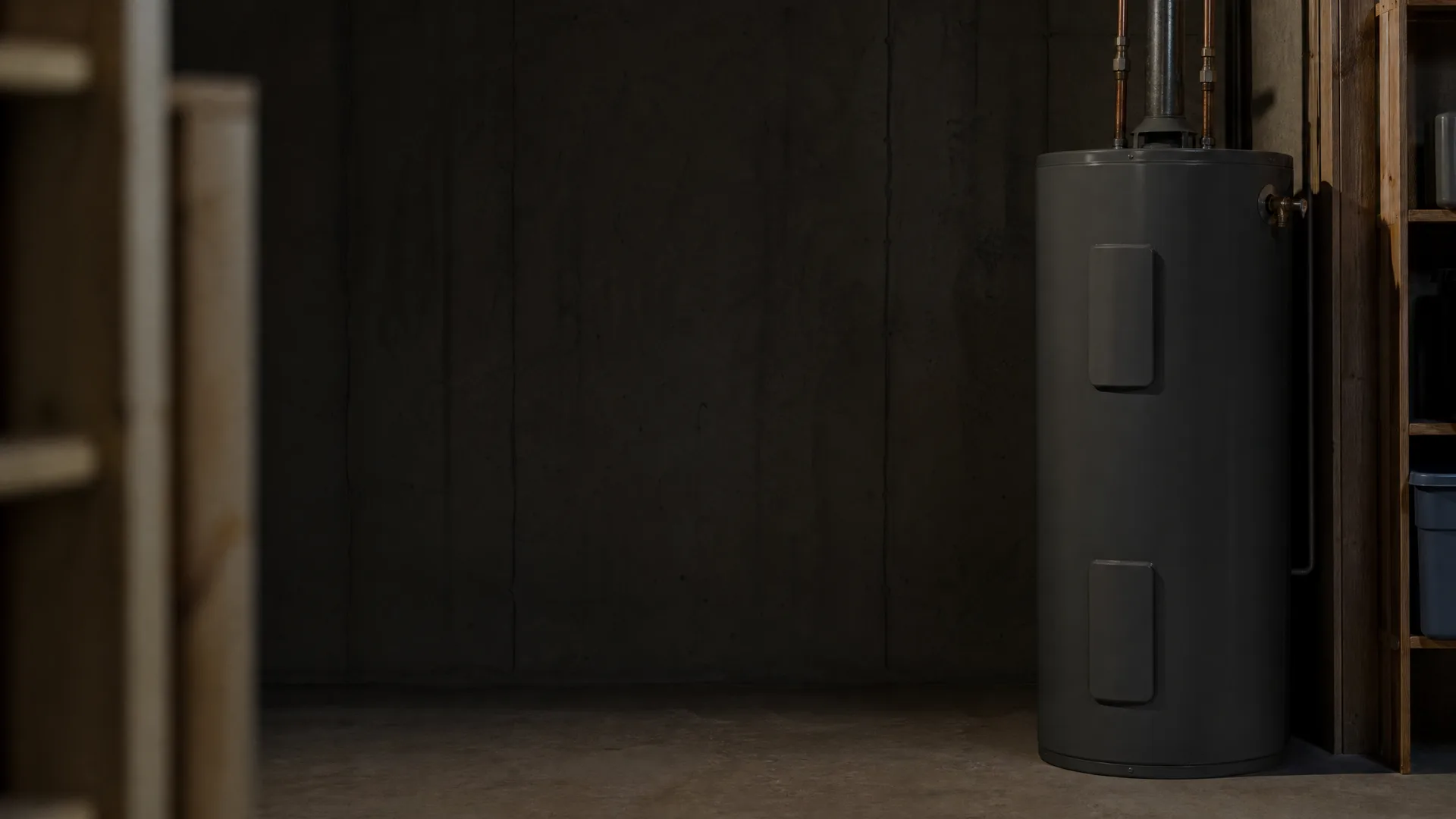
A dark gray cylindrical water heater with copper pipes at its top stands against a concrete basement wall, with wooden shelving and framing in the foreground at both edges.

One form, no calling around

Your request goes to one pro, not a list of companies.

Step 1 of 3: Equipment