Tell us about the job
Takes about a minute. No obligation.
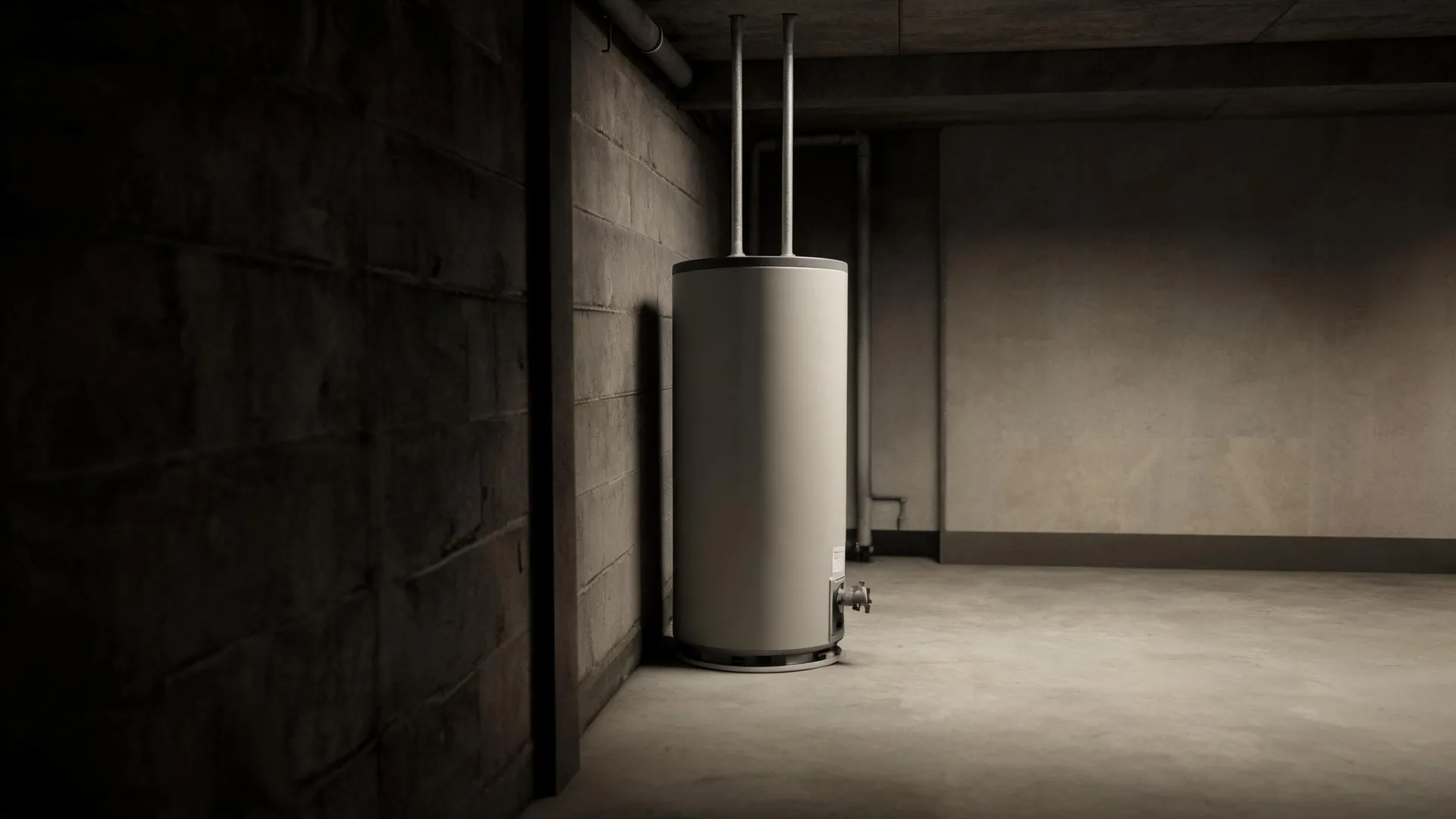
A contractor quoting a water heater replacement in Kings County starts with the fuel supply and what it demands from the installation, not just the tank. Utility gas heats more occupied homes in Kings County, New York than any other fuel, at 72.2% (2020-2024 ACS 5-year). Gas combustion requires a flue path and adequate combustion air, and both have to be verified against the specific space before a unit is selected. A water heater dropped into a closet or utility room without that check can vent poorly, trip its own safety cutoffs, or starve the burner. The venting arrangement already in the home shapes what replacement models are viable.
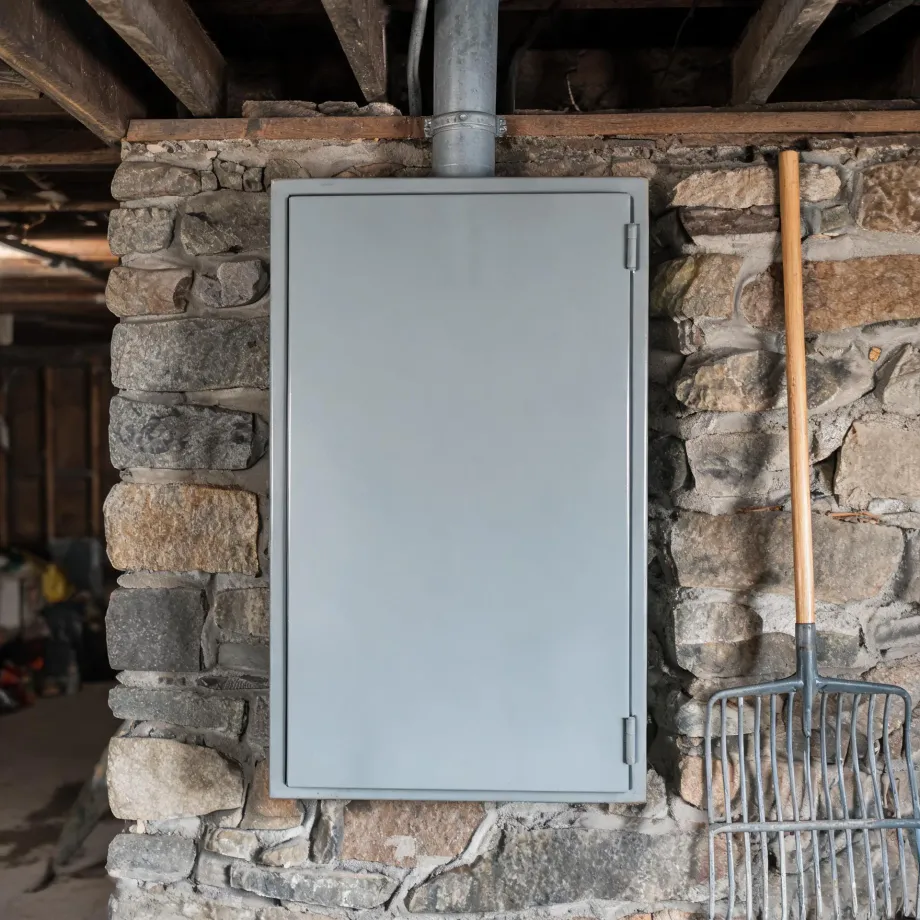
Electrical service is what stops a water heater installation in its tracks in much of Kings County. Half the homes in Kings County, New York were built in 1944 or earlier (2020-2024 ACS 5-year). A house built then was wired for the loads of its time, and the gap between what that service panel was sized for and what a modern water heater draws is where a contractor has to make a call: upgrade the panel or work within it. That decision shapes the scope and the price before anyone touches the unit itself.
What a New Water Heater Installation Covers
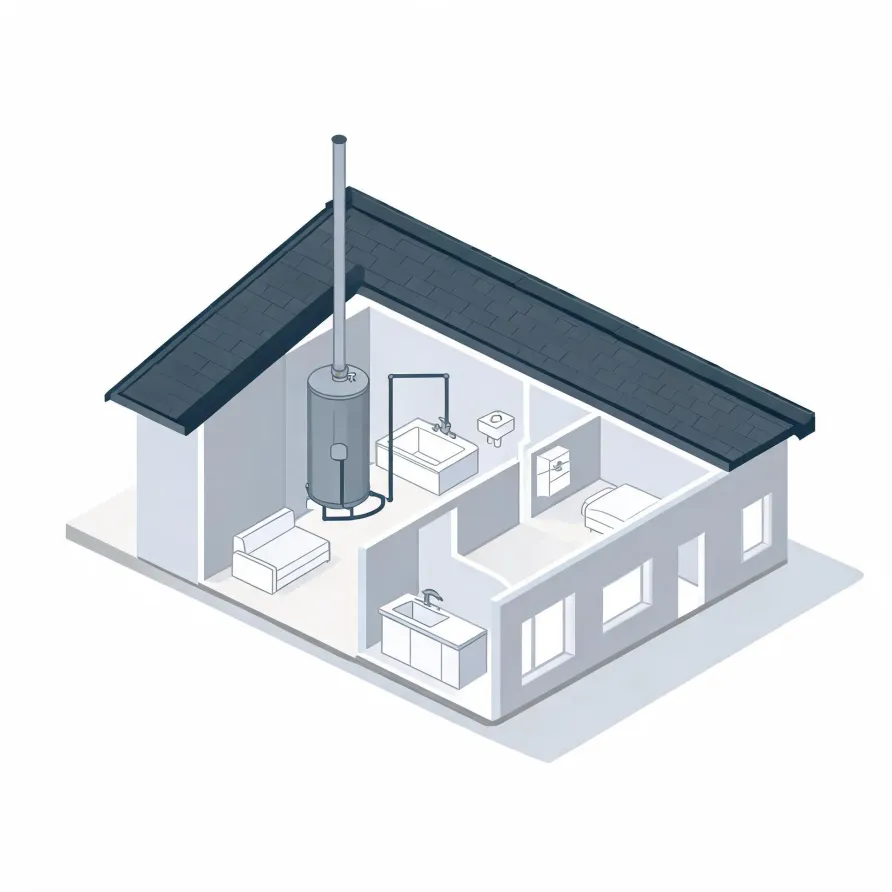
The tank is what most homeowners notice first. It sits in a utility closet, basement, or garage and holds the water that gets heated and drawn through the house. Attached to the top are the hot and cold water lines, which carry water in from the supply and out to every fixture.
The pressure relief valve mounts to the side of the tank and opens if pressure inside climbs too high. The drain valve sits near the base and gives a contractor access to flush sediment. A temperature and pressure gauge, along with the anode rod running down through the tank interior, round out what a cutaway of this system would show.
The drawing shows the general layout of a water heater system, and a licensed contractor determines what applies to the specific setup in your home.
Get matched in Kings CountyKings County, by the numbers
79 severe weather events were recorded in Kings County, New York between 2015 and 2024.
NOAA National Centers for Environmental Information, Storm Events Database, bulk CSV export, events 2015-01-01 through 2024-12-31.Half the homes in Kings County, New York were built in 1944 or earlier (2020-2024 ACS 5-year).
U.S. Census Bureau, 2020-2024 American Community Survey 5-Year EstimatesKings County, New York holds 1,100,772 housing units (2020-2024 ACS 5-year).
U.S. Census Bureau, 2020-2024 American Community Survey 5-Year EstimatesOwners occupy 29.5% of the occupied homes in Kings County, New York (2020-2024 ACS 5-year).
U.S. Census Bureau, 2020-2024 American Community Survey 5-Year EstimatesSevere Weather Events in Kings County
Water heaters work harder when outdoor conditions swing hard, and how often that happens here shapes what a properly sized, properly installed unit needs to handle. Kings County weather is a local condition, and local conditions determine how much you are actually asking of the equipment.
79 severe weather events, 2015–2024. Source: NOAA National Centers for Environmental Information, Storm Events Database.