Tell us about the job
Takes about a minute. No obligation.
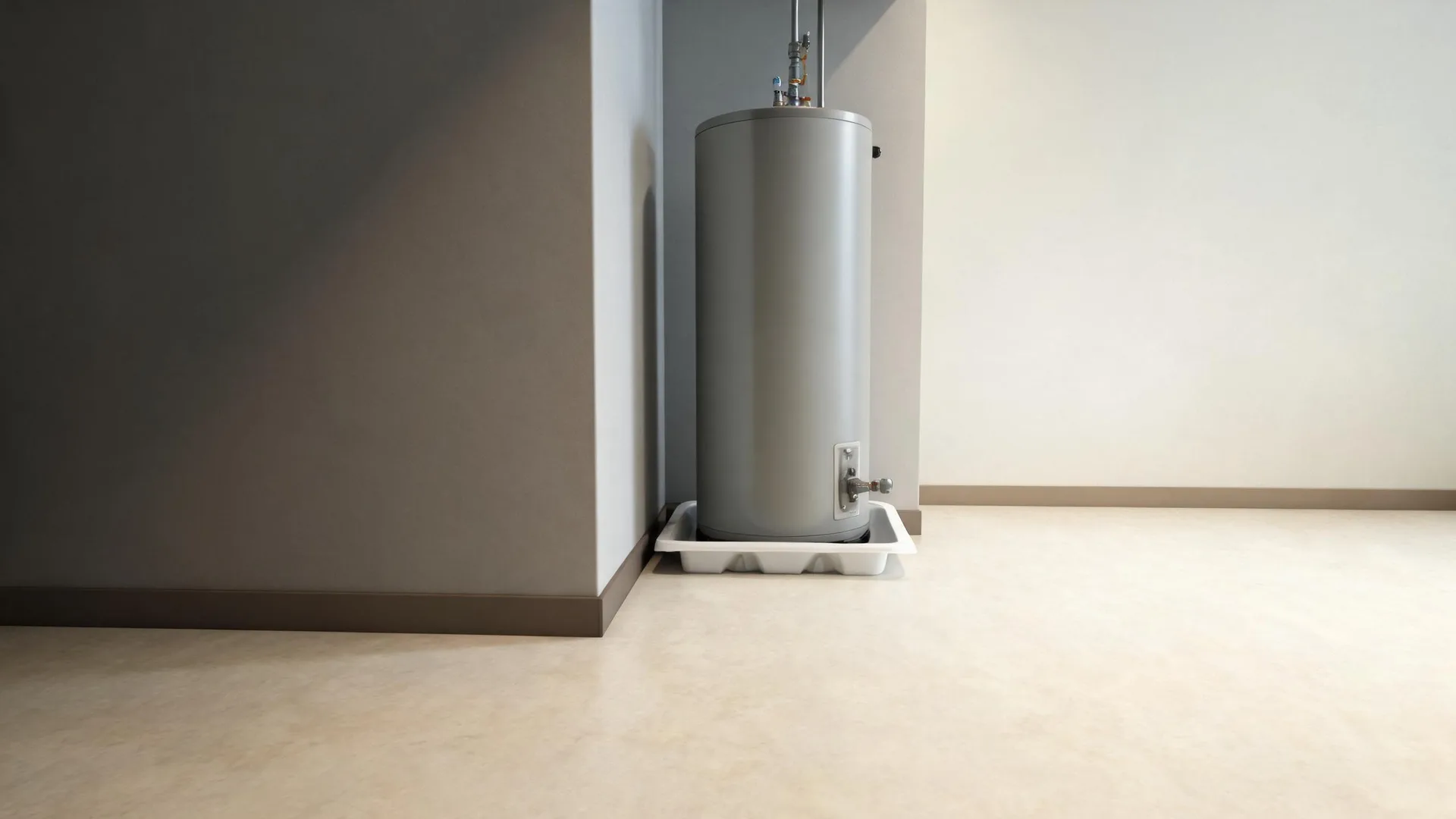
A contractor quoting a water heater replacement in Richmond County starts with the venting run and the combustion air supply, because getting those wrong means the unit either fails inspection or back-drafts. Utility gas heats more occupied homes in Richmond County, New York than any other fuel, at 85.1% (2020-2024 ACS 5-year). Gas appliances draw combustion air from the space around them, and a new unit with a higher or lower input rating than the old one changes what that space has to deliver. The flue size, the draft hood, and the termination point all follow from the burner, so a contractor sizes those together, not separately.
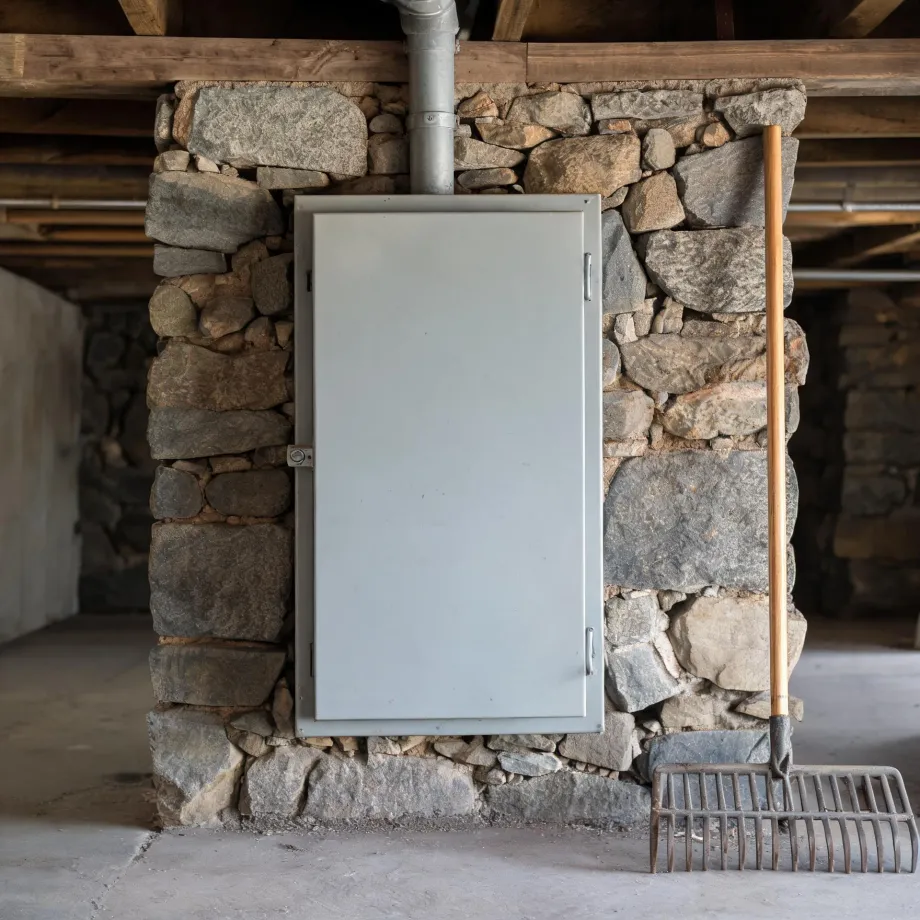
Ductwork aside, water heater installation in Richmond County turns on the electrical service already in the house. Half the homes in Richmond County, New York were built in 1974 or earlier (2020-2024 ACS 5-year). Panels in stock that old were sized for loads that predate modern electric water heaters, and what a contractor finds at the breaker box decides whether the installation is straightforward or whether an electrician has to come first. Ordering the unit before that assessment produces a second trip.
What a Water Heater Installation Puts in Your Home
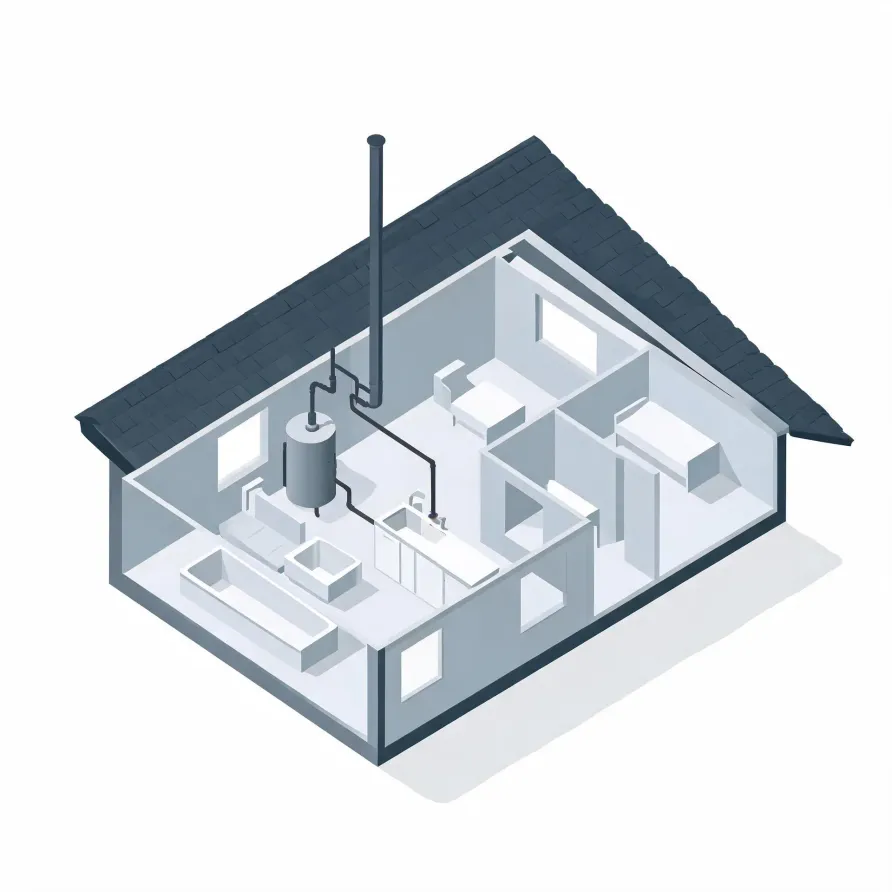
The storage tank is the piece most homeowners recognize. It sits in a utility room, basement, or closet and holds a ready supply of hot water. A burner assembly or heating element lives inside or beneath it, and the thermostat mounted on the tank's exterior tells that element when to fire.
A pressure relief valve threads into the tank's side and vents through a short discharge pipe down toward the floor. Cold water enters through a dedicated supply line at the top of the tank, and a separate outlet line carries hot water out to the rest of the house. An anode rod hangs inside the tank to slow corrosion of the steel lining.
The drawing shows a typical layout, and a licensed contractor determines exactly what applies to this house.
Get matched in Richmond CountyRichmond County, by the numbers
55 severe weather events were recorded in Richmond County, New York between 2015 and 2024.
NOAA National Centers for Environmental Information, Storm Events Database, bulk CSV export, events 2015-01-01 through 2024-12-31.Half the homes in Richmond County, New York were built in 1974 or earlier (2020-2024 ACS 5-year).
U.S. Census Bureau, 2020-2024 American Community Survey 5-Year EstimatesRichmond County, New York holds 184,621 housing units (2020-2024 ACS 5-year).
U.S. Census Bureau, 2020-2024 American Community Survey 5-Year EstimatesOwners occupy 67.7% of the occupied homes in Richmond County, New York (2020-2024 ACS 5-year).
U.S. Census Bureau, 2020-2024 American Community Survey 5-Year EstimatesSevere Weather Events in Richmond County
Water heaters work harder when the weather swings hard, and Richmond County's climate puts real demands on equipment over time. How often severe weather moves through here shapes how a unit is sized, installed, and built to last.
55 severe weather events, 2015–2024. Source: NOAA National Centers for Environmental Information, Storm Events Database.