Tell us about the job
Takes about a minute. No obligation.
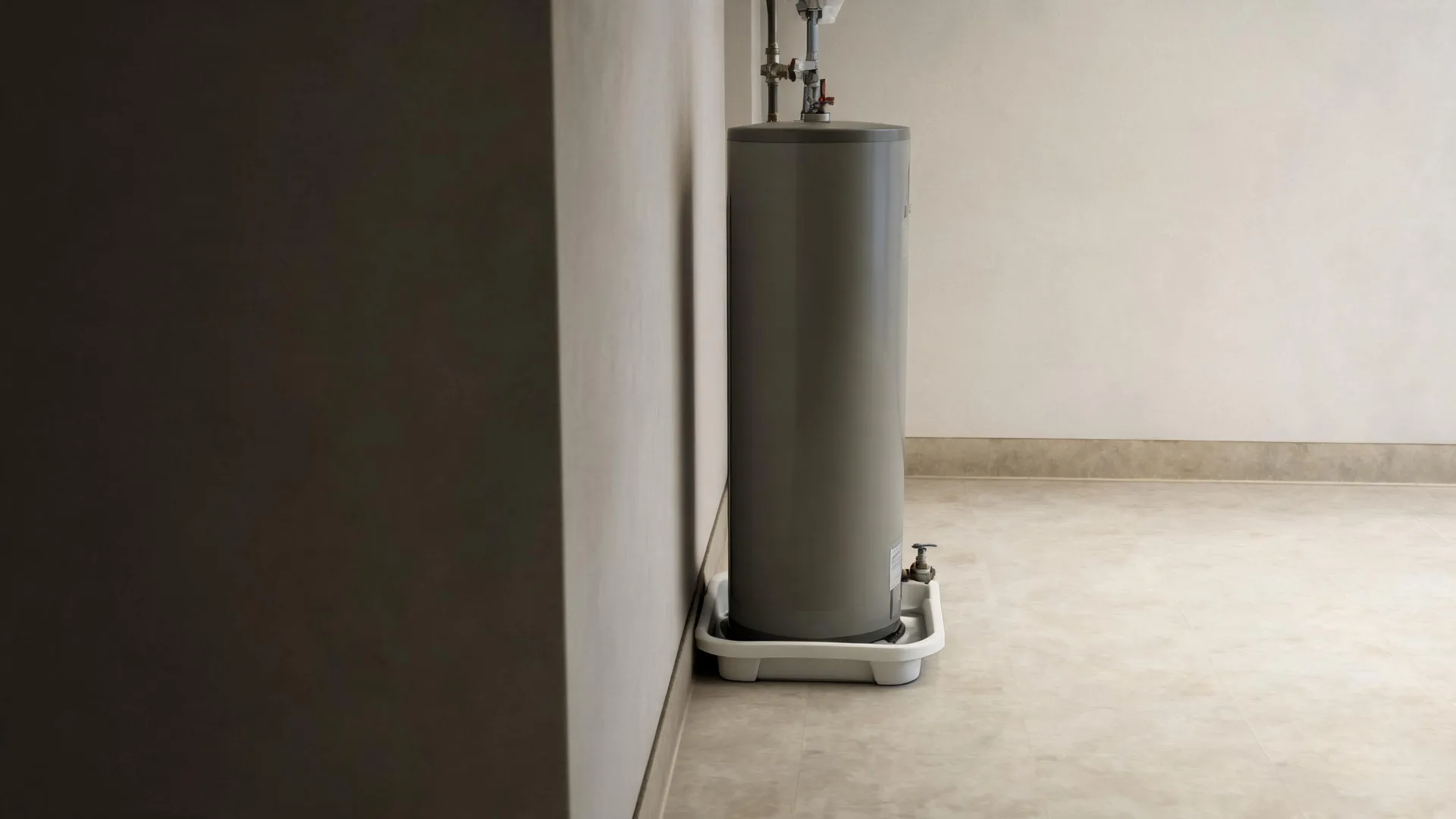
Fuel choice shapes a water heater installation more than most homeowners expect. Fuel oil or kerosene heats more occupied homes in Schoharie County, New York than any other fuel, at 40.5% (2020-2024 ACS 5-year). A contractor quoting a replacement here starts by reading the existing flue: fuel oil and kerosene combustion produces byproducts that leave deposits in venting over years, and a new heater cannot simply inherit the old one's setup without an inspection of what is there. Combustion air supply gets checked too, because a sealed or tight utility space starves a burner and drives up failure rates regardless of how well the unit itself is built.
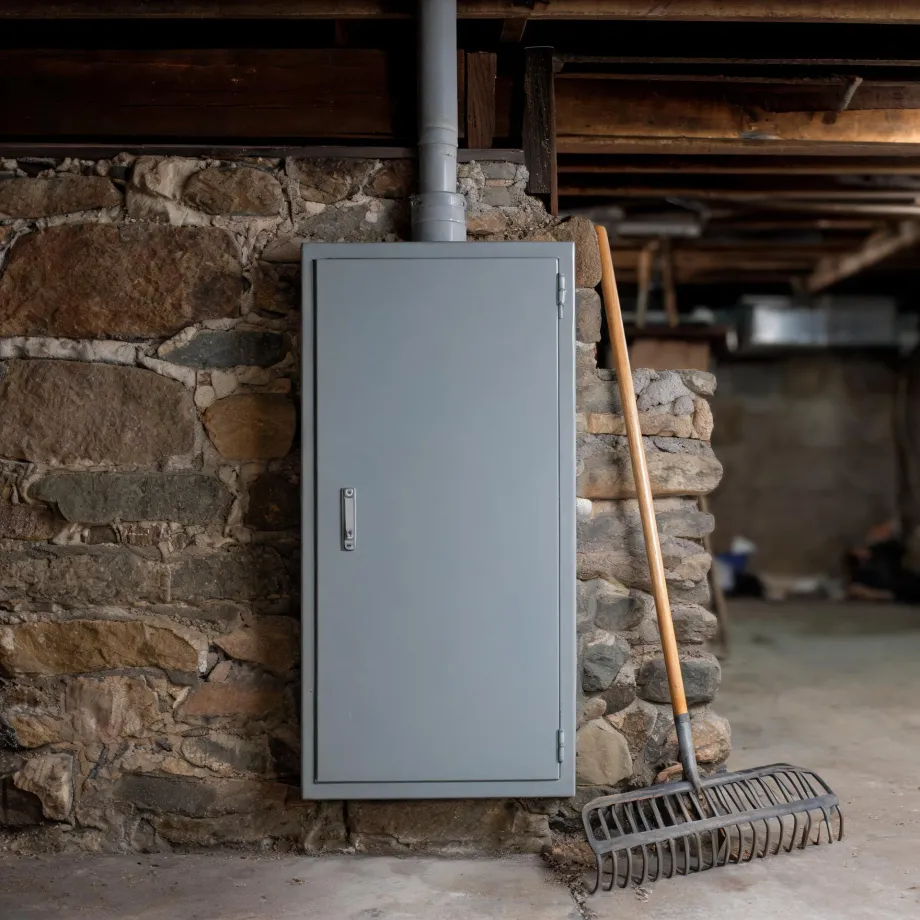
Older electrical panels are the variable a contractor prices water heater installation around in Schoharie County. Half the homes in Schoharie County, New York were built in 1974 or earlier (2020-2024 ACS 5-year). A house built for the appliances of that era was wired accordingly, and what a water heater draws today can exceed what the existing service was designed to handle. The panel gets looked at before anything else, because if it needs an upgrade, that changes the scope of the job.
What a Water Heater Installation Puts in Your Home
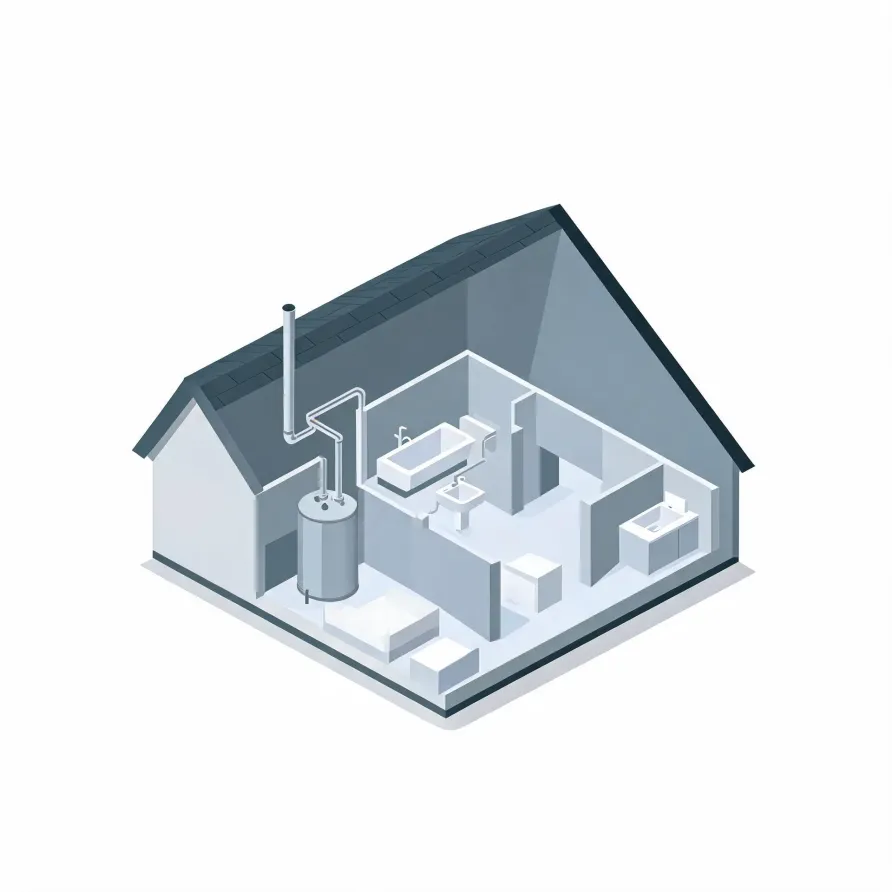
The tank is the piece most homeowners already know. It sits in a utility closet, basement, or garage and holds a supply of water that a burner or heating element keeps at temperature. On a tankless unit, that same job happens in a compact box mounted to the wall, heating water as it passes through.
A pressure relief valve mounts to the tank's side and runs a short discharge pipe toward the floor, keeping the system from building dangerous pressure. Cold-water supply lines feed into the unit from above, and hot-water lines carry the output to every fixture in the house. A gas line or dedicated electrical connection ties into the unit depending on the fuel type a contractor installs.
The drawing shows the general layout of a water heater system, and a licensed contractor determines exactly which components and configurations apply to your home.
Get matched in Schoharie CountySchoharie County, by the numbers
167 severe weather events were recorded in Schoharie County, New York between 2015 and 2024.
NOAA National Centers for Environmental Information, Storm Events Database, bulk CSV export, events 2015-01-01 through 2024-12-31.Half the homes in Schoharie County, New York were built in 1974 or earlier (2020-2024 ACS 5-year).
U.S. Census Bureau, 2020-2024 American Community Survey 5-Year EstimatesSchoharie County, New York holds 16,562 housing units (2020-2024 ACS 5-year).
U.S. Census Bureau, 2020-2024 American Community Survey 5-Year EstimatesOwners occupy 76.4% of the occupied homes in Schoharie County, New York (2020-2024 ACS 5-year).
U.S. Census Bureau, 2020-2024 American Community Survey 5-Year EstimatesSevere Weather Events in Schoharie County
Water heaters work harder when local weather swings hard, and Schoharie County's climate sets the real baseline for what any installed unit will face. That workload shapes which equipment fits and how it holds up over time.
167 severe weather events, 2015–2024. Source: NOAA National Centers for Environmental Information, Storm Events Database.