Tell us about the job
Takes about a minute. No obligation.
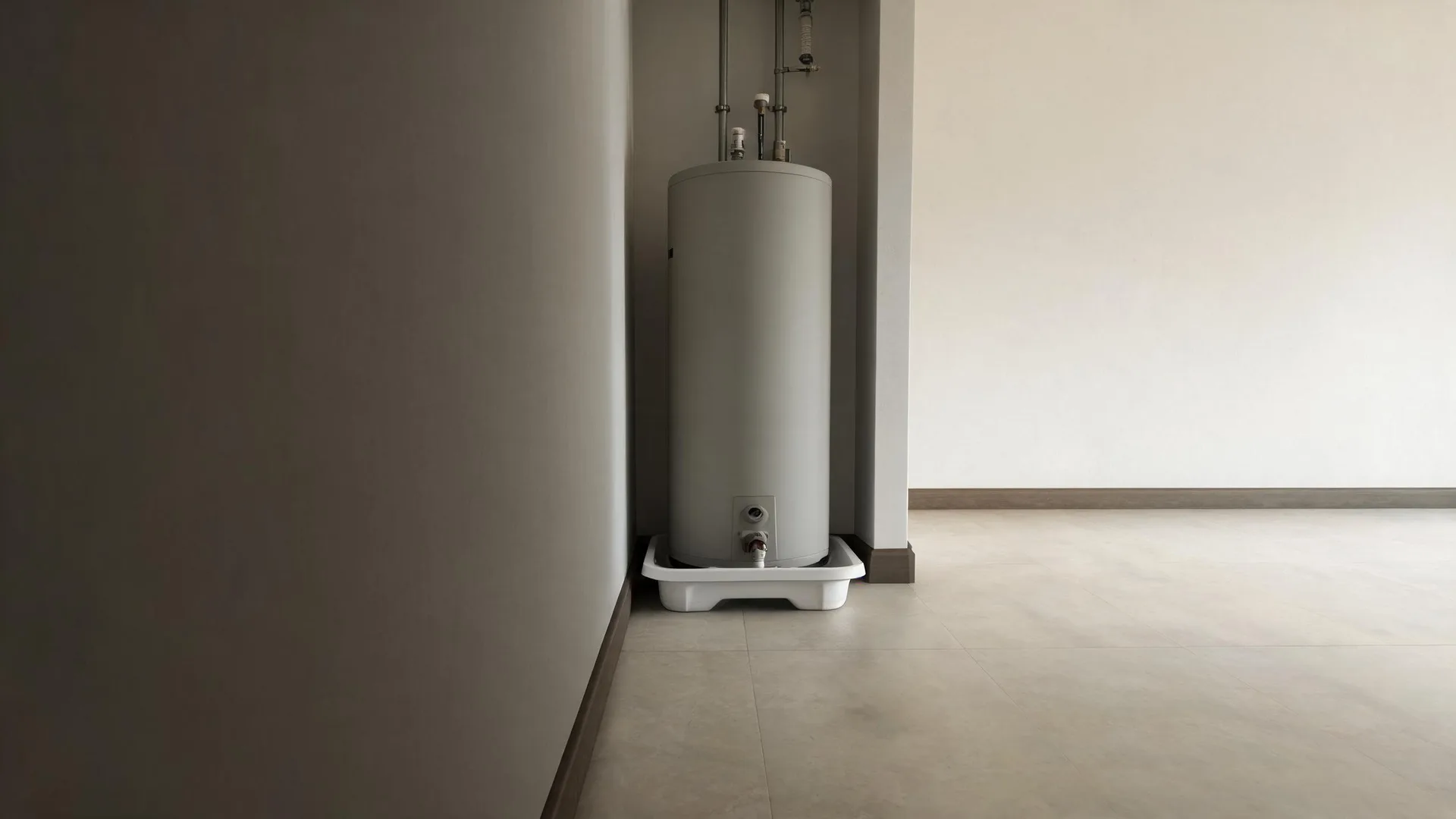
Gas infrastructure shapes what a water heater contractor can actually install here. Utility gas heats more occupied homes in Schenectady County, New York than any other fuel, at 69.1% (2020-2024 ACS 5-year). That share means the venting, gas line, and combustion-air arrangement already in place are the starting point for any replacement quote, and a contractor sizes and specifies the new unit around what the house already carries. A flue that served an older atmospheric unit may need to be relined or replaced when a high-efficiency condensing heater goes in, because the exhaust temperature drops and the original flue was sized for different conditions. The gas supply line gets checked against the input rating of the new appliance before anything else is ordered.
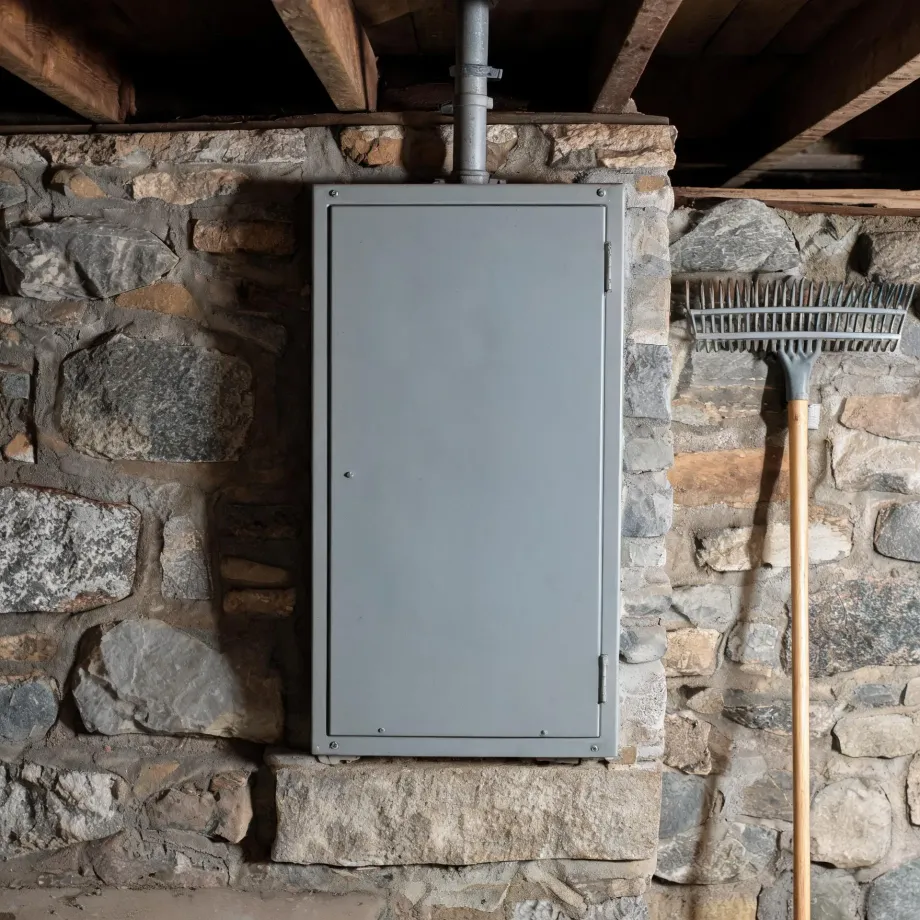
Electrical service panels in a house built for an earlier era of appliances were sized for a lighter load than a modern water heater pulls. Half the homes in Schenectady County, New York were built in 1956 or earlier (2020-2024 ACS 5-year). A contractor pricing a new unit here has to open the panel before the quote means anything, because a panel that falls short sends the job in a different direction entirely, with an electrician involved before the heater goes in.
What a Water Heater Installation Puts in Your Home
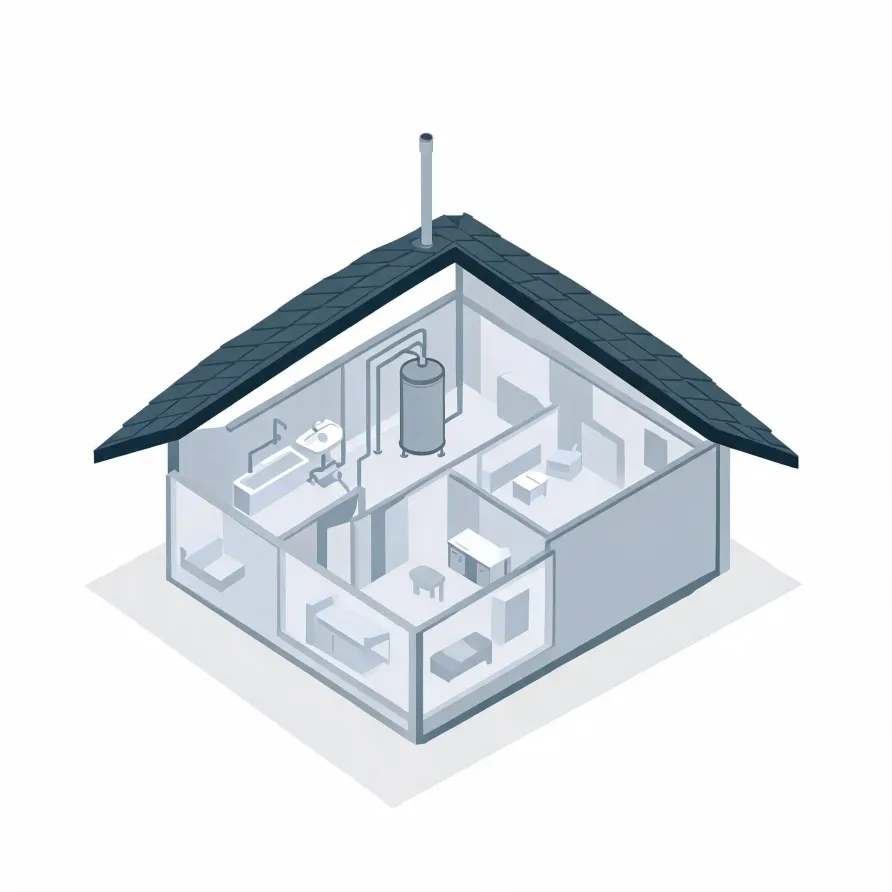
The tank is the piece most homeowners recognize. It sits in a utility room, basement, or closet and holds a supply of water that a heating element or burner keeps at temperature. A tankless unit mounts directly to a wall in the same general area and heats water on demand rather than storing it.
A pressure relief valve attaches to the tank and releases if pressure inside builds beyond a safe point. Supply and return pipes connect the unit to the home's plumbing, and a dedicated gas line or electrical connection runs to the unit depending on the fuel type the house uses.
The drawing shows a typical layout, and a licensed contractor will assess what applies to your specific home and its existing setup.
Get matched in Schenectady CountySchenectady County, by the numbers
248 severe weather events were recorded in Schenectady County, New York between 2015 and 2024.
NOAA National Centers for Environmental Information, Storm Events Database, bulk CSV export, events 2015-01-01 through 2024-12-31.Half the homes in Schenectady County, New York were built in 1956 or earlier (2020-2024 ACS 5-year).
U.S. Census Bureau, 2020-2024 American Community Survey 5-Year EstimatesSchenectady County, New York holds 71,244 housing units (2020-2024 ACS 5-year).
U.S. Census Bureau, 2020-2024 American Community Survey 5-Year EstimatesOwners occupy 64.0% of the occupied homes in Schenectady County, New York (2020-2024 ACS 5-year).
U.S. Census Bureau, 2020-2024 American Community Survey 5-Year EstimatesSevere Weather Events in Schenectady County
Weather in Schenectady County puts real demands on water heating equipment, driving hard cycles of recovery, standby loss, and wear that vary with local conditions. Sizing and installing a water heater here is a decision shaped by the climate outside the walls.
248 severe weather events, 2015–2024. Source: NOAA National Centers for Environmental Information, Storm Events Database.