Tell us about the job
Takes about a minute. No obligation.
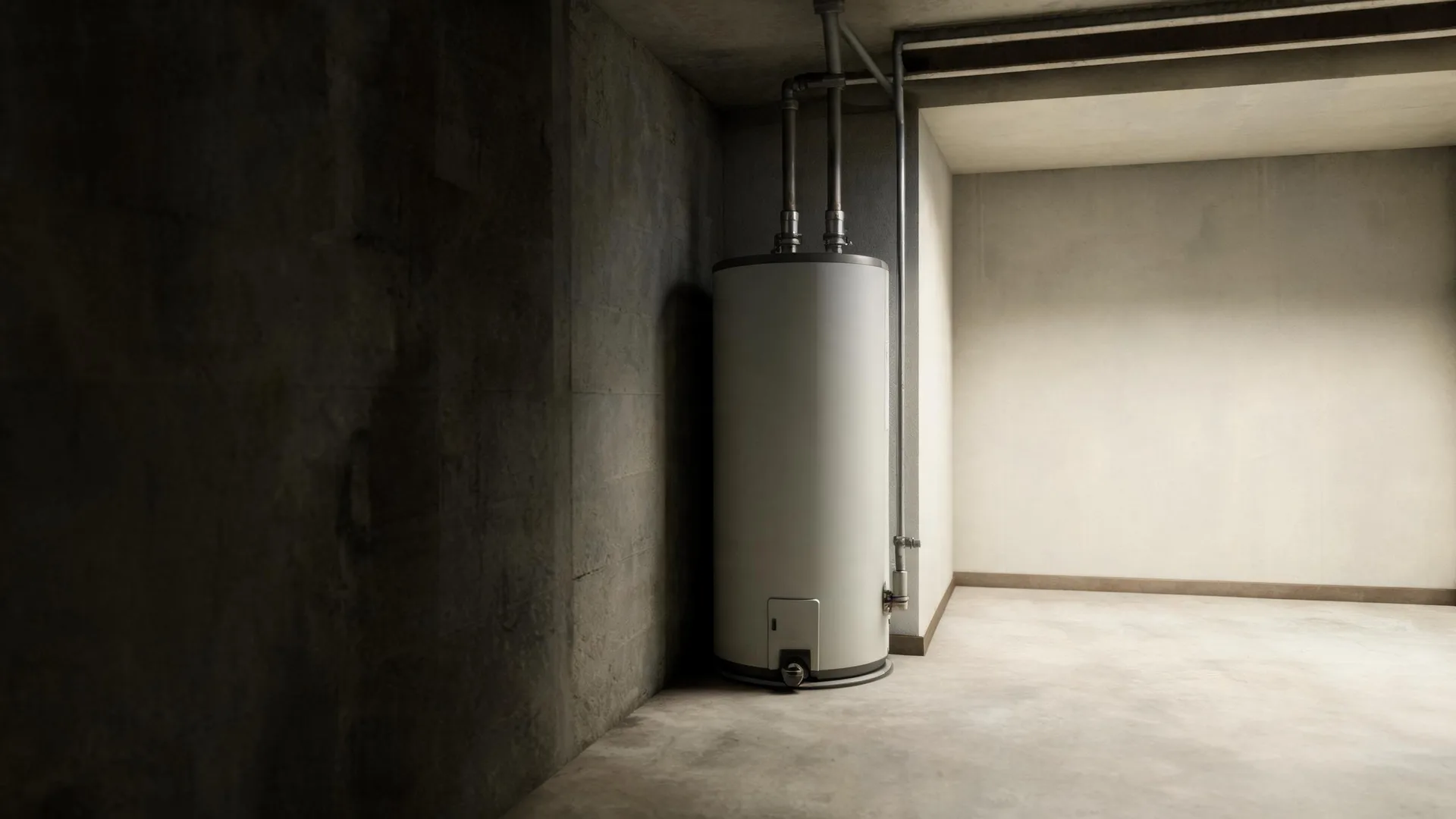
Replacing a water heater in Niagara County starts with what is already in the house. Utility gas heats more occupied homes in Niagara County, New York than any other fuel, at 76.2% (2020-2024 ACS 5-year). That share of gas-heated homes means the venting and combustion air setup a contractor finds on arrival shapes what replacement equipment is even eligible. A direct-vent unit and an atmospherically vented one are not interchangeable, and the flue, draft hood, and gas line sizing already in place either support the new installation or require modification before it goes in. A contractor quotes against what the house actually has, not against a generic spec.
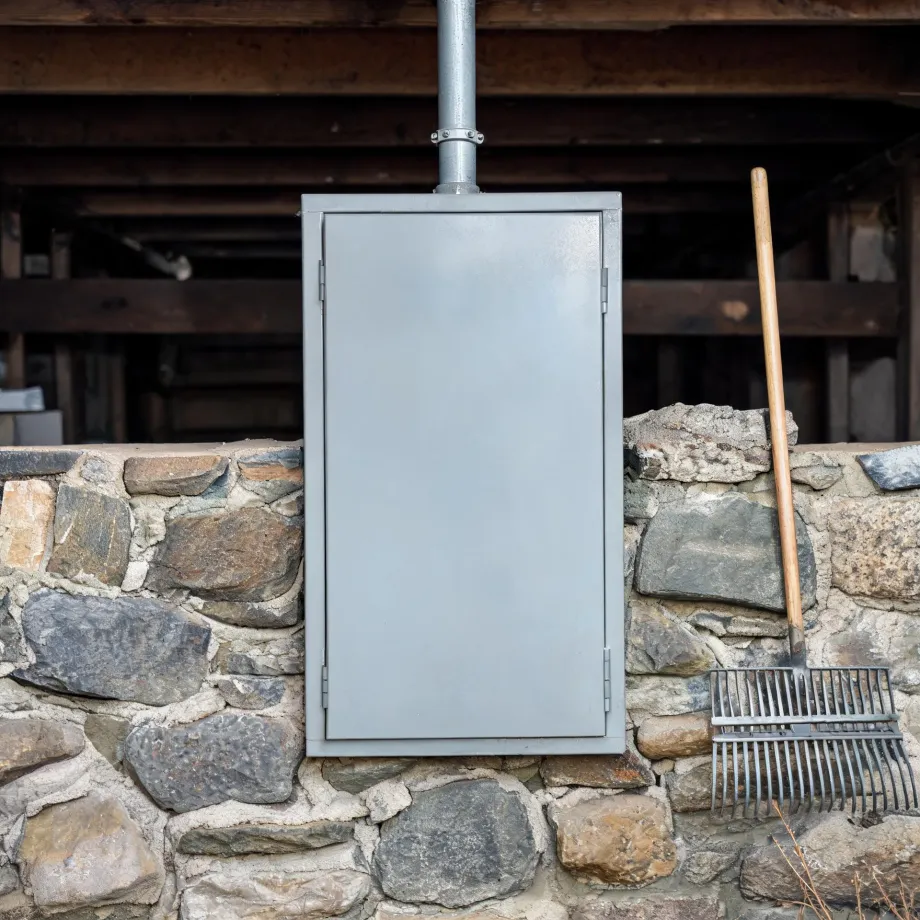
Ductwork laid in for one generation of equipment and electrical service sized for the loads that came with it are what a contractor finds behind the walls of much of this county's housing stock. Half the homes in Niagara County, New York were built in 1958 or earlier (2020-2024 ACS 5-year). That gap between what the house was built around and what a new water heater draws is where an installation job gets complicated or stays simple. A contractor has to evaluate the existing service capacity before any other decision, because the infrastructure sets the ceiling on what the new unit can actually do once it is in.
What a Water Heater Installation Puts in Your Home
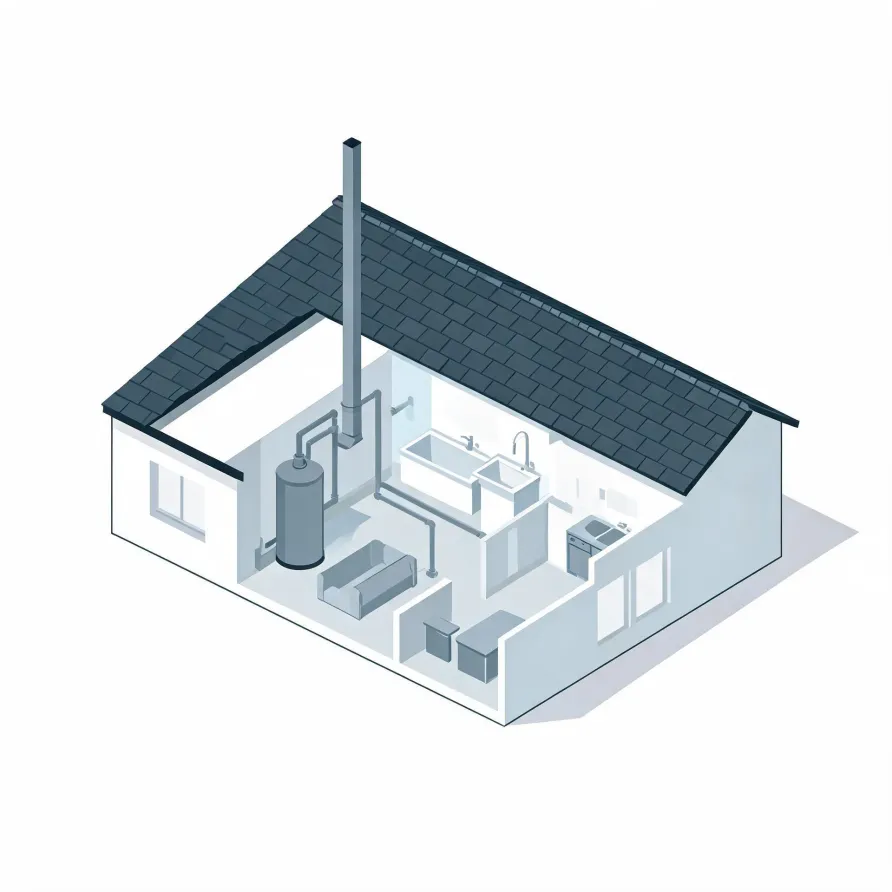
The tank or tankless unit is the heart of the system. A storage tank sits in a utility room, basement, or closet and holds a ready supply of heated water. A tankless unit mounts on a wall in the same kinds of spaces and heats water on demand as it passes through.
Connecting that unit to the rest of the house are the cold-water inlet line, the hot-water outlet line, and the pressure relief valve, which mounts directly on the unit and releases if pressure builds beyond a safe point. A gas-fired unit also has a flue pipe that runs up and out of the house to vent combustion gases.
The drawing shows a typical layout, and a licensed contractor determines what fits the specific setup in your home.
Get matched in Niagara CountyNiagara County, by the numbers
121 severe weather events were recorded in Niagara County, New York between 2015 and 2024.
NOAA National Centers for Environmental Information, Storm Events Database, bulk CSV export, events 2015-01-01 through 2024-12-31.Half the homes in Niagara County, New York were built in 1958 or earlier (2020-2024 ACS 5-year).
U.S. Census Bureau, 2020-2024 American Community Survey 5-Year EstimatesNiagara County, New York holds 100,446 housing units (2020-2024 ACS 5-year).
U.S. Census Bureau, 2020-2024 American Community Survey 5-Year EstimatesOwners occupy 71.2% of the occupied homes in Niagara County, New York (2020-2024 ACS 5-year).
U.S. Census Bureau, 2020-2024 American Community Survey 5-Year EstimatesSevere Weather Events in Niagara County
Extreme weather puts real load on water heating equipment, shortening service life and driving demand for replacement at the worst times. How hard local conditions push residential systems shapes what a water heater installation here needs to handle.
121 severe weather events, 2015–2024. Source: NOAA National Centers for Environmental Information, Storm Events Database.