Tell us about the job
Takes about a minute. No obligation.
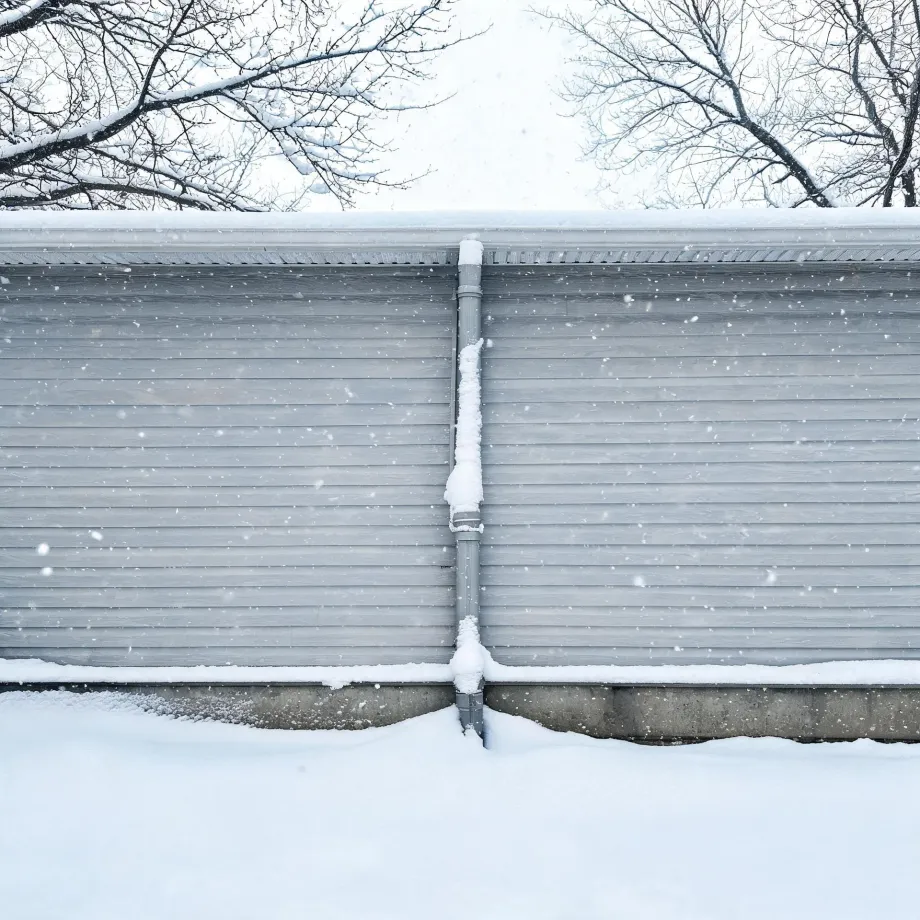
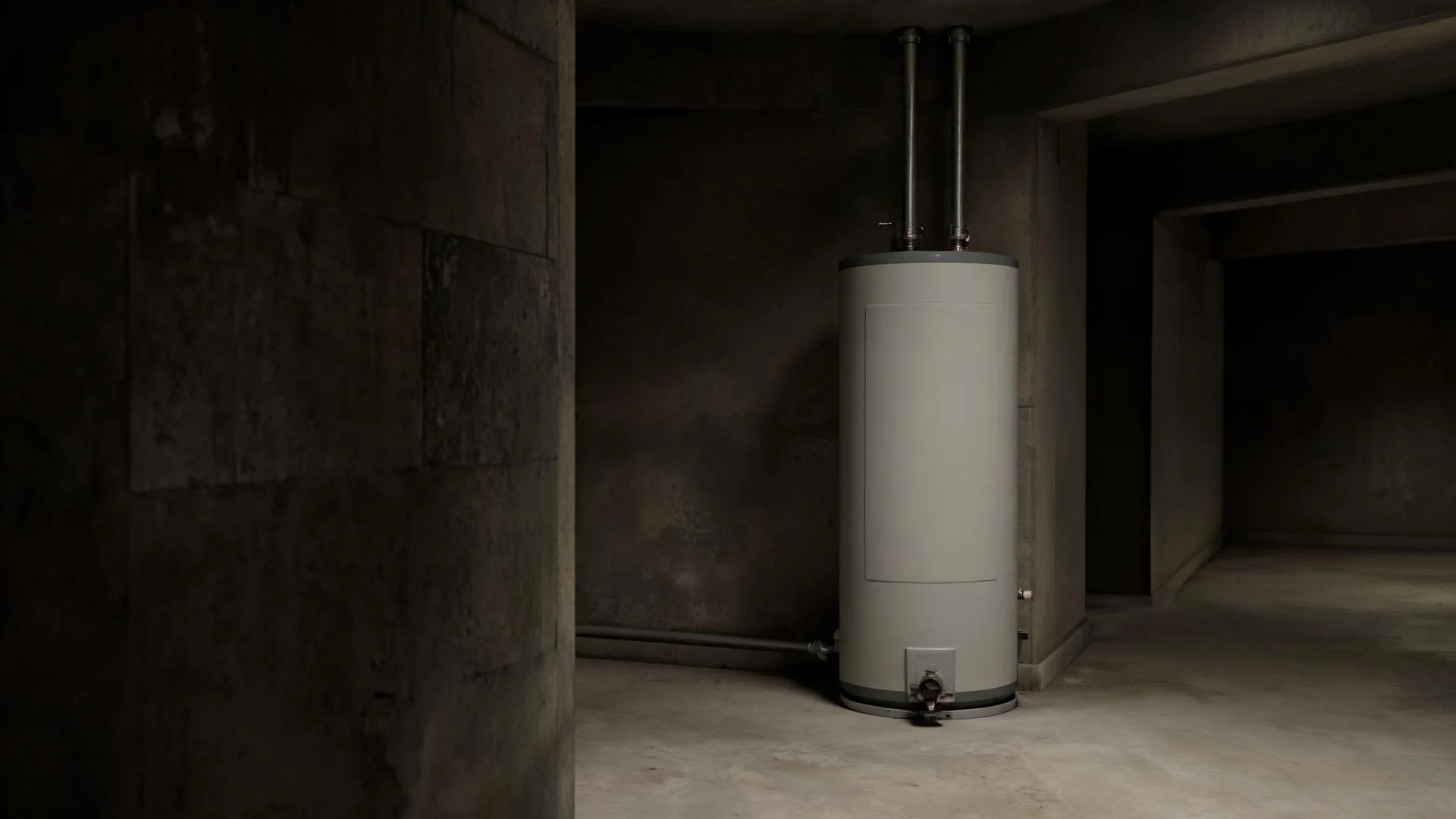
Gas-fired water heater work in Erie County starts with venting. Utility gas heats more occupied homes in Erie County, New York than any other fuel, at 86.8% (2020-2024 ACS 5-year). With nearly every occupied home drawing on utility gas, the infrastructure exists, but what runs through any given flue, how it terminates, and whether the space around the unit pulls enough combustion air are questions that differ house to house. A contractor has to establish all three before settling on a unit, because the answers determine whether a direct-vent, power-vent, or atmospheric installation is even permitted in that location.
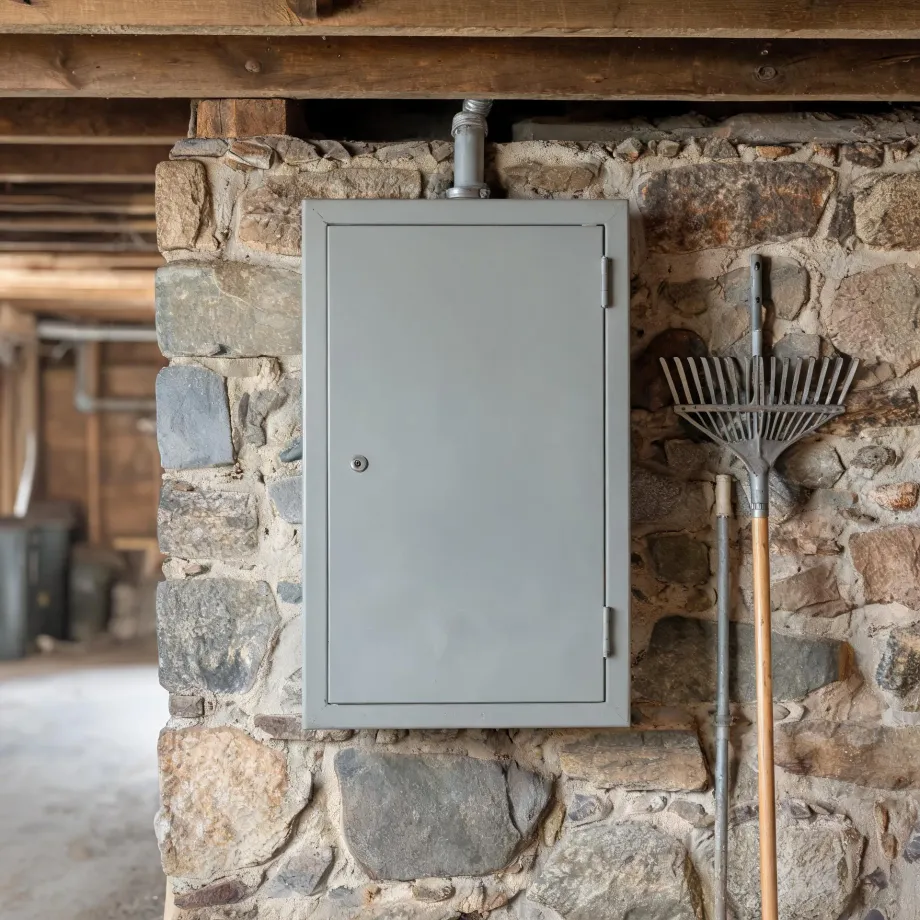
Older electrical panels in this part of the state were sized for the demands of an earlier generation of appliances, and a new water heater often draws more than that original service was built around. Half the homes in Erie County, New York were built in 1957 or earlier (2020-2024 ACS 5-year). A contractor pricing a water heater installation here has to establish what the panel actually supplies before the equipment choice makes sense. If the service cannot carry the load, the panel becomes part of the job.
What a Water Heater Installation Puts in Your Home
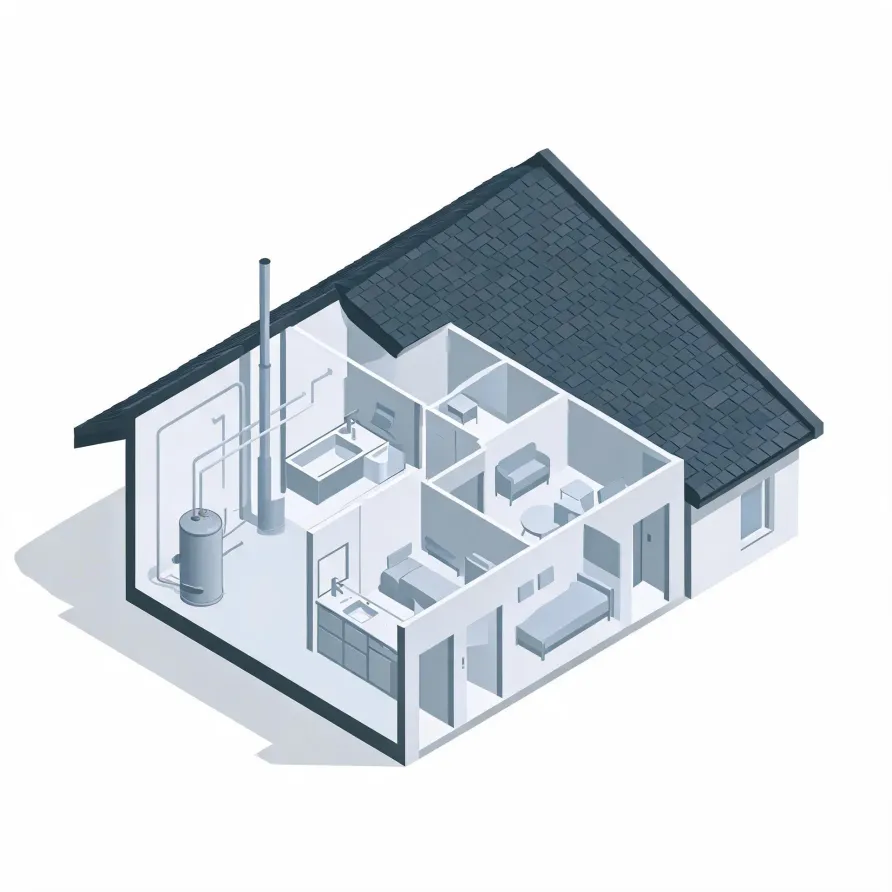
The tank is the piece a homeowner notices first. It sits in a utility closet, basement, or garage and holds a supply of water that stays heated and ready at the tap. Attached to the top of the tank are the inlet and outlet connections, where cold water enters and hot water leaves toward the rest of the house.
The pressure relief valve mounts to the side of the tank and opens automatically if pressure inside builds past a safe point. The drain valve sits near the bottom. The anode rod hangs inside the tank itself, slowing corrosion of the tank walls, and the thermostat and heating element are set into the tank body to control temperature.
The drawing shows a general layout of these components, and a licensed contractor determines exactly how each one applies to your home's setup.
Get matched in Erie CountyErie County, by the numbers
329 severe weather events were recorded in Erie County, New York between 2015 and 2024.
NOAA National Centers for Environmental Information, Storm Events Database, bulk CSV export, events 2015-01-01 through 2024-12-31.Half the homes in Erie County, New York were built in 1957 or earlier (2020-2024 ACS 5-year).
U.S. Census Bureau, 2020-2024 American Community Survey 5-Year EstimatesErie County, New York holds 441,214 housing units (2020-2024 ACS 5-year).
U.S. Census Bureau, 2020-2024 American Community Survey 5-Year EstimatesOwners occupy 65.8% of the occupied homes in Erie County, New York (2020-2024 ACS 5-year).
U.S. Census Bureau, 2020-2024 American Community Survey 5-Year EstimatesSevere Weather Events in Erie County
Harsh weather puts water heaters under sustained pressure, accelerating wear and shortening the window before a replacement becomes necessary. How hard the weather works equipment here is a local fact, and it shapes what a water heater installation in Erie County needs to hold up to.
329 severe weather events, 2015–2024. Source: NOAA National Centers for Environmental Information, Storm Events Database.