Tell us about the job
Takes about a minute. No obligation.
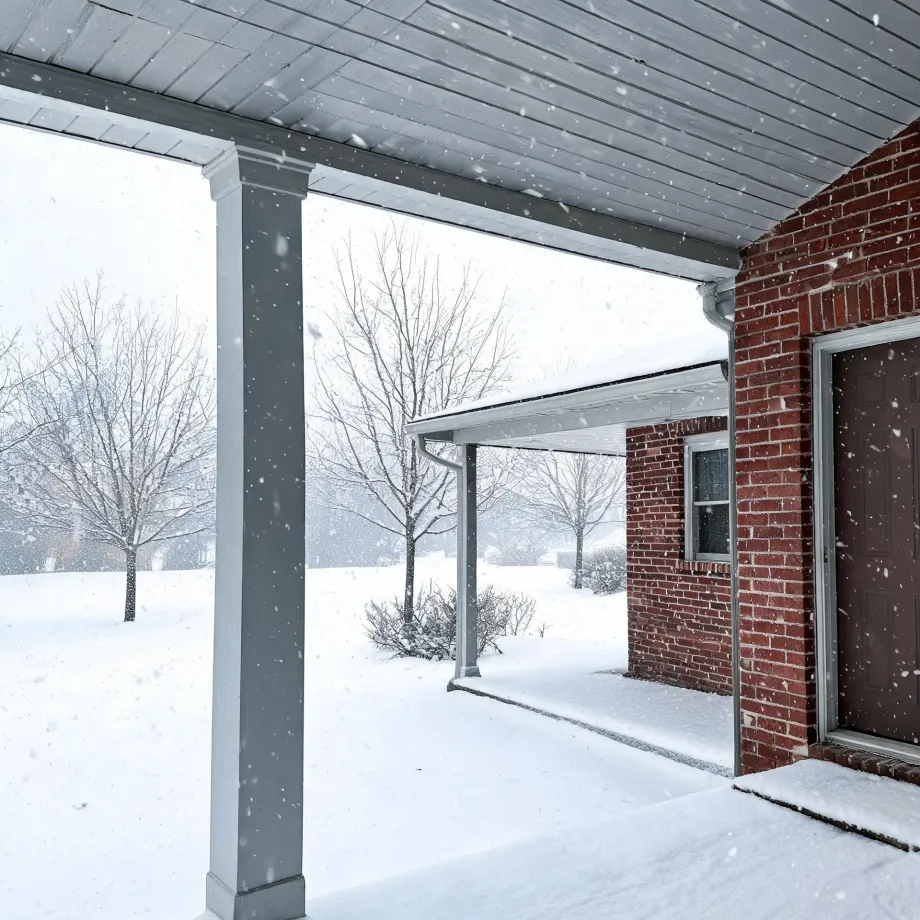
Gas water heaters in Chautauqua County run every day of the year, not just through a heating season, so the burner, thermocouple, and ignition system accumulate wear without interruption. Utility gas heats more occupied homes in Chautauqua County, New York than any other fuel, at 66.6% (2020-2024 ACS 5-year). A contractor called out for a no-hot-water complaint in this county checks the burner orifice for deposits, the thermocouple for drift, and the flue connection for backdrafting before moving on to the tank itself. Those components absorb every firing cycle the unit has ever run, and in a home on gas they are the first place a diagnosis starts.
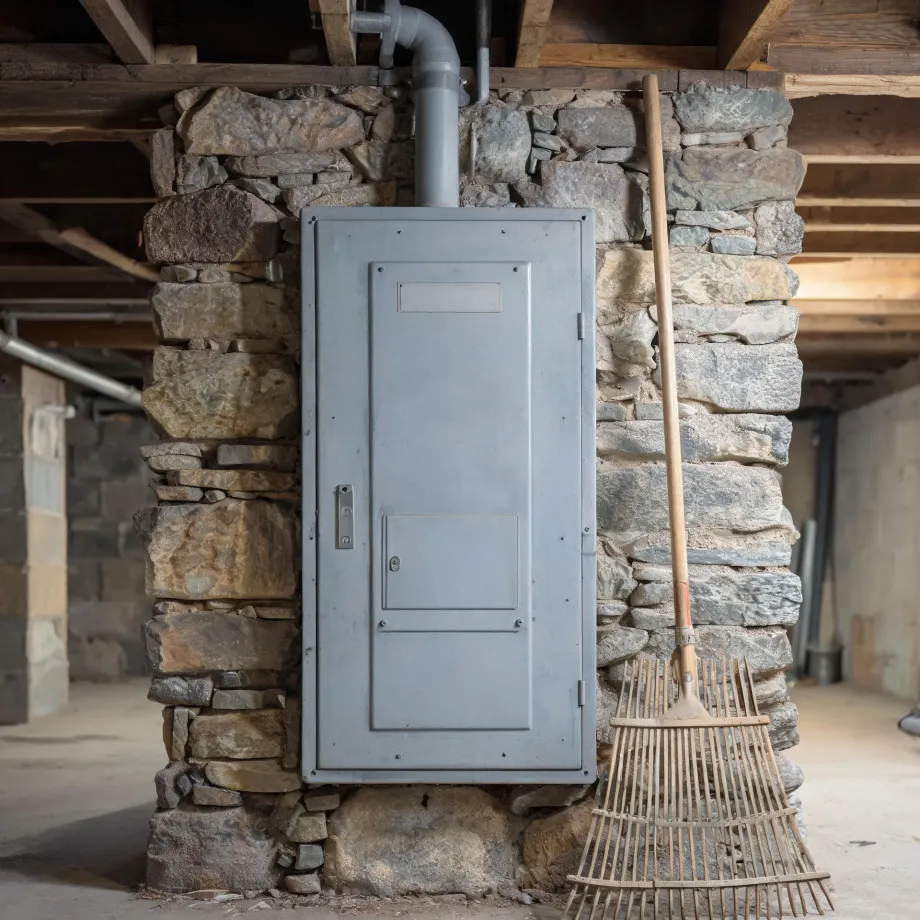
Water heaters in a county's older homes often represent a third or fourth generation of equipment fitted into plumbing runs that were never rerouted. Half the homes in Chautauqua County, New York were built in 1953 or earlier (2020-2024 ACS 5-year). A unit that has been swapped in over the decades may sit on supply lines sized for something different, vented through a flue that was adapted rather than replaced. When a contractor opens the unit, the question that decides the repair is whether the parts it takes are still in production, because equipment fitted into older infrastructure sometimes draws on a supply chain that has thinned out considerably.
The Parts of a Water Heater a Contractor Checks First
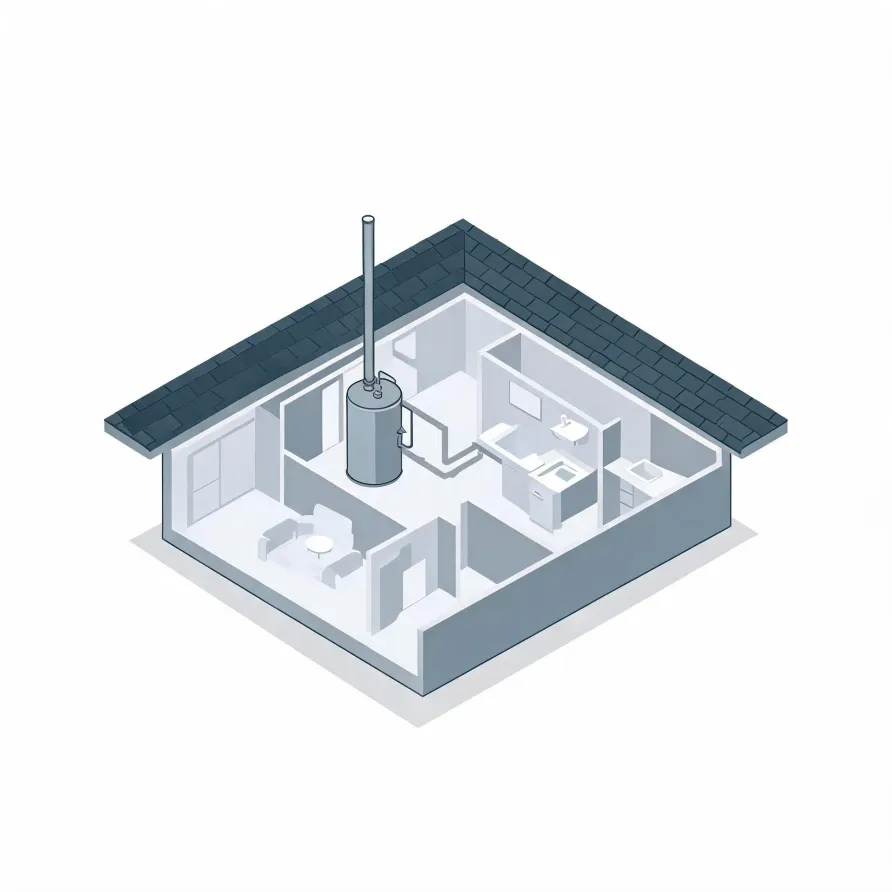
The tank is the piece a homeowner notices first, usually standing in a utility room, basement, or closet. It holds the water and keeps it at temperature. When the tank itself is the problem, signs show up as rust-colored water, water pooling at the base, or no hot water at all. The burner or heating element sits at or near the bottom of the tank and is the piece a contractor looks at early when the water stays cold.
The thermostat controls when the heating element or burner fires, and a faulty one can cause water that is too hot, too cold, or inconsistent. The pressure relief valve mounts on the side of the tank and releases if pressure inside climbs too high. The anode rod runs down through the tank interior and slows corrosion from the inside out. When sediment has built up at the bottom of the tank, a contractor will find it during the same inspection.
The drawing shows the general layout of a water heater system, and a licensed contractor determines what applies to the specific unit and setup in your home.
Get matched in Chautauqua CountyChautauqua County by the Numbers
300 severe weather events were recorded in Chautauqua County, New York between 2015 and 2024.
NOAA National Centers for Environmental Information, Storm Events Database, bulk CSV export, events 2015-01-01 through 2024-12-31.Half the homes in Chautauqua County, New York were built in 1953 or earlier (2020-2024 ACS 5-year).
U.S. Census Bureau, 2020-2024 American Community Survey 5-Year EstimatesChautauqua County, New York holds 66,476 housing units (2020-2024 ACS 5-year).
U.S. Census Bureau, 2020-2024 American Community Survey 5-Year EstimatesOwners occupy 68.9% of the occupied homes in Chautauqua County, New York (2020-2024 ACS 5-year).
U.S. Census Bureau, 2020-2024 American Community Survey 5-Year EstimatesSevere Weather Events in Chautauqua County
Extreme weather puts water heaters under pressure: demand spikes, power fluctuates, and pipes that feed the system take a beating. How often that happens here shapes how hard the equipment has to work and how quickly problems develop.
300 severe weather events, 2015–2024. Source: NOAA National Centers for Environmental Information, Storm Events Database.